




Sunglasses are more than a fashion accessory. They protect your eyes from harmful UV rays. However, scratches can quickly ruin their look and function. If you’ve ever asked how to get scratches off sunglasses, you’re not alone. Millions face this issue each year. Whether caused by keys in a bag, improper cleaning, or accidental drops, scratches reduce clarity and comfort. Worse, deep ones distort vision. The good news is that many minor to moderate scratches can be treated at home. With the right tools and techniques, you can restore lens quality without replacing the entire pair.
Moreover, knowing how to get scratches off sunglasses saves money and reduces waste. Instead of buying new ones every few months, you extend the life of your current pair. This guide covers safe DIY methods, commercial repair kits, what to avoid, and long-term protection tips. From baking soda to specialized polishes, we explore proven solutions. Each method works differently based on lens material. Plastic, polycarbonate, and glass lenses react uniquely. Understanding these differences ensures better results. Ultimately, learning how to get scratches off sunglasses empowers you to maintain clear, stylish eyewear for years.
 Why Scratches Appear on Sunglasses
Common Causes and Daily Habits That Damage Lenses
Scratches form due to everyday actions most people overlook. One major cause is storing sunglasses loosely in bags or pockets. Keys, coins, pens, or phones rub against the lenses. Even soft fabrics like cotton can trap dust particles. These act like sandpaper over time. Always use a hard-shell case. It provides essential protection.
Another reason is improper cleaning. Many wipe lenses with clothing, napkins, or paper towels. These materials are too rough. They leave micro-scratches. Worse, dry wiping spreads dirt instead of removing it. Always rinse first. Use water and mild soap. Then dry with a microfiber cloth.
Dropping sunglasses is unavoidable sometimes. But repeated falls chip coatings. Frames bend. Hinges loosen. Over time, misalignment causes lenses to rub inside the frame. This creates internal scratching.
Exposure to grit also matters. Beach sand, construction dust, and pollen stick to lenses. If not cleaned gently, they grind into the surface. Windy conditions make this worse.
UV degradation weakens lens coatings. Over years, anti-scratch layers break down. This makes them more prone to damage.
Even stacking glasses on tables risks harm. Other objects may slide onto them.
Prevention starts with awareness. Small changes lead to big improvements.
Can You Actually Remove Scratches from Sunglasses?
Understanding Scratch Depth and Repair Limits
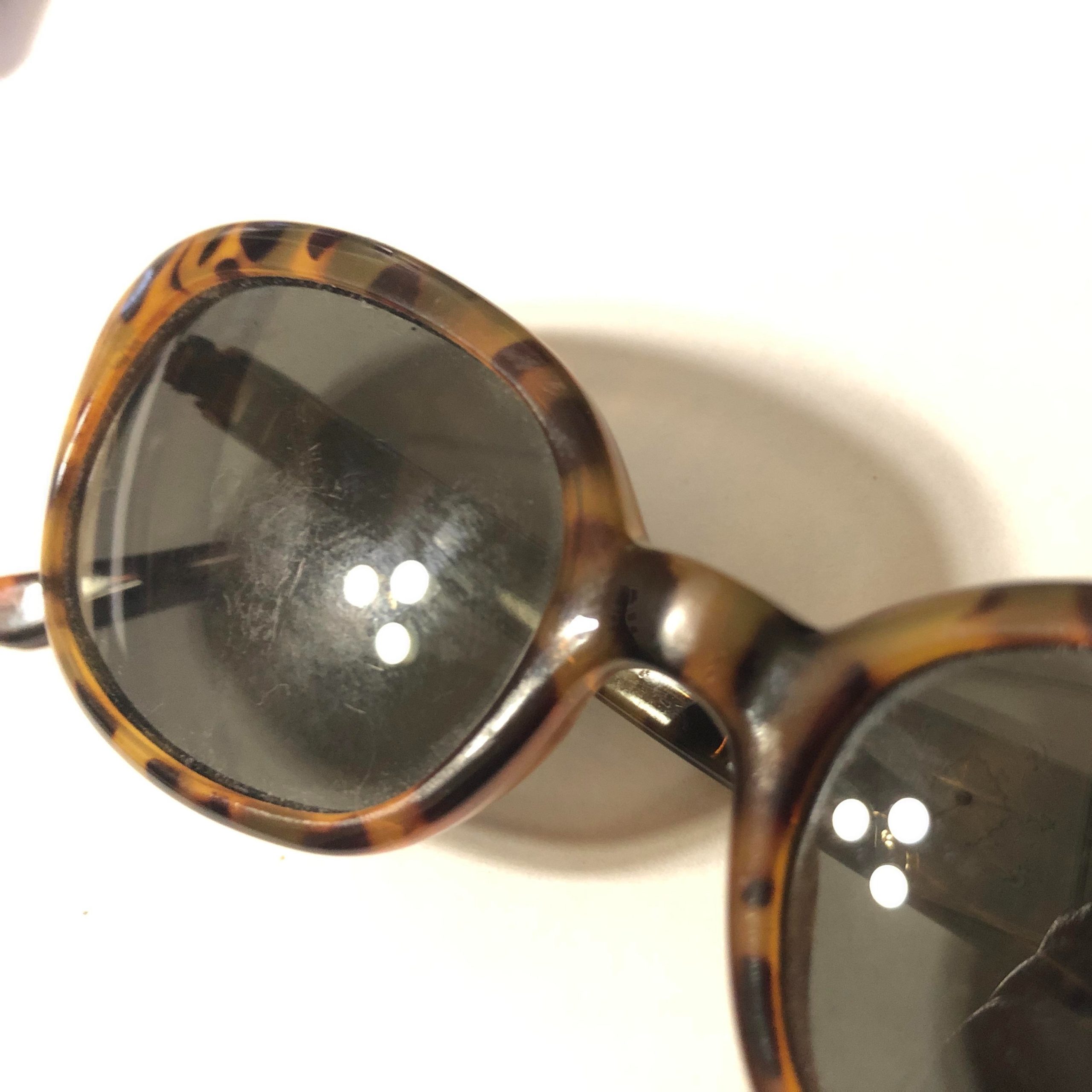
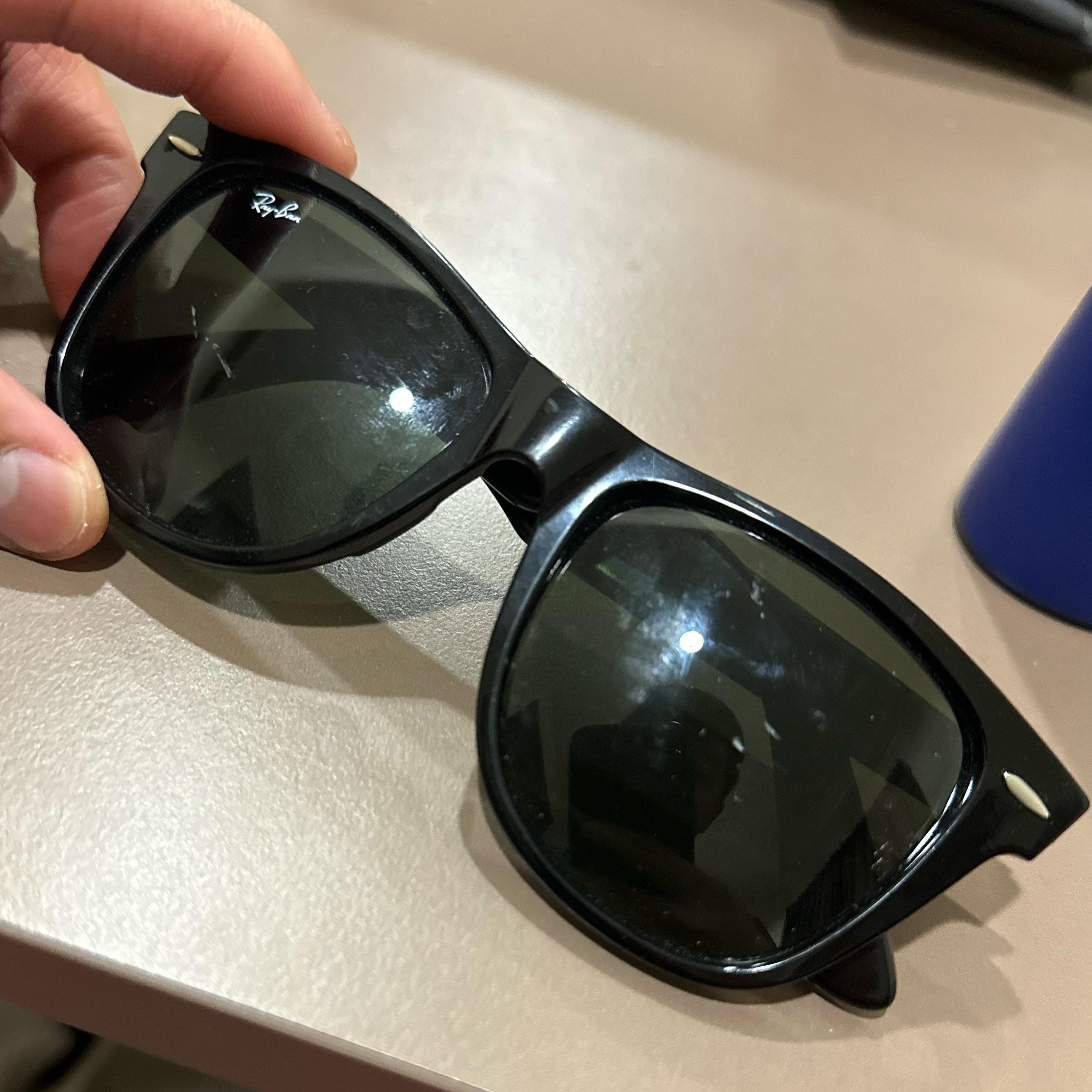
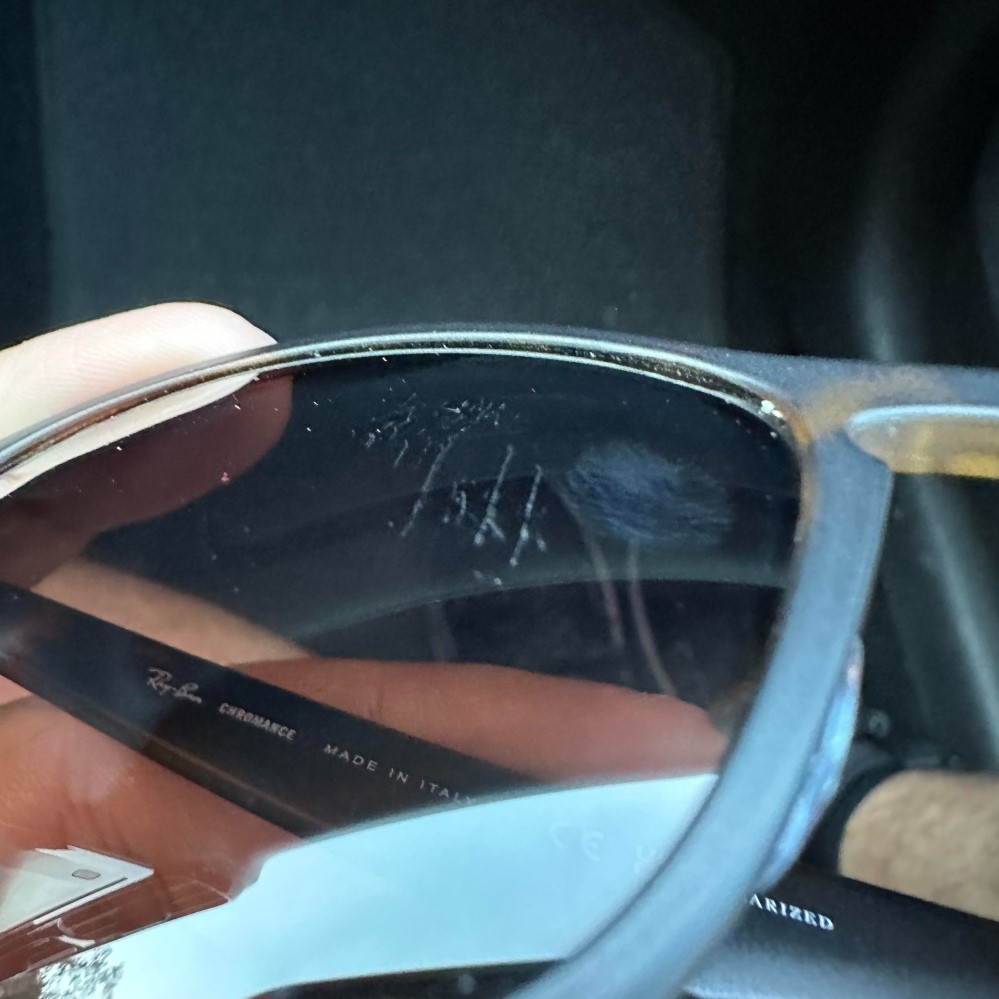
Not all scratches can be removed. Success depends on depth. Surface-level marks affect only the outer coating. These are often fixable. They appear as faint lines. Light reflects off them. You see them at certain angles. Deeper grooves go past the protective layer. These reach the plastic or glass base. They scatter light constantly. Vision distortion follows. Most home remedies won’t fix them.
Lenses with scratch-resistant coatings respond better. Polishing restores smoothness. However, repeated treatments wear down the coating. Eventually, no amount of buffing helps.
Glass lenses handle scratches differently. They resist abrasions well. But once damaged, they are harder to polish. Aggressive rubbing may crack them.
Plastic and polycarbonate lenses scratch easier. Yet, they respond better to mild abrasives. Materials like toothpaste or baking soda work by leveling tiny ridges. They don’t fill gaps. Instead, they smooth edges. This reduces glare.
Always test on one lens first. Apply the method to a small area. Check under bright light. See if haze increases. Stop if the lens clouds over.
Deep scratches need professional attention. Some optical shops offer buffing services. Others recommend replacement.
Know when to stop. Pushing too hard damages more than helps.
Some damage is permanent. Focus on prevention after that point.
 Safe Home Remedies to Try First
Baking Soda, Toothpaste, and Non-Abrasive Pastes
When exploring how to get scratches off sunglasses, start with gentle options. Baking soda is a popular choice. Mix two parts with one part water. Stir into a thick paste. Apply with a soft cloth. Rub in circular motions for 10–15 seconds. Rinse thoroughly. Dry with microfiber. This works best on shallow marks.
Toothpaste offers similar results. Use white, non-gel types. Avoid whitening or charcoal versions. These contain harsh particles. Squeeze a pea-sized amount onto the lens. Gently rub in circles. Wait 30 seconds. Rinse completely. Inspect under light. Repeat if needed.
Non-abrasive metal polishes like Brasso work cautiously. They remove oxidation from metals. Some users apply a tiny drop to plastic lenses. Buff gently. Wipe clean immediately. Do not let it sit. Residue can cloud the lens.
Baby oil or mineral oil helps temporarily. It fills micro-scratches. Light passes through evenly. Glare reduces. Wipe on lightly. Remove excess. Note: this does not repair. It masks the issue briefly.
Always follow up with proper cleaning. Use lens-safe soap. Avoid ammonia-based cleaners.
Never use vinegar, alcohol, or window sprays. They strip anti-reflective coatings.
These methods suit minor blemishes. For deeper issues, move to advanced solutions.
Test each remedy carefully. Protect your investment.
Commercial Products Designed to Fix Scratches
Lens Repair Kits, Polishing Tools, and Brand Solutions
If home methods fail, try professional-grade products. Several brands sell how to get scratches off sunglasses kits. Meguiar’s PlastX Clear Plastic Cleaner removes fine swirls. It uses ultra-fine abrasives. Apply with a foam pad. Buff by hand or with a low-speed tool. Safe for polycarbonate.
Another option is the T-Cut Rapid Scratch Remover. Originally for cars, it works on plastic lenses. Contains micro-abrasives. Smooths uneven surfaces. Apply sparingly. Use a lint-free cloth. Clean residue fast.
Optix 55 is made specifically for eyewear. It targets light scuffs. Comes with applicator pads. Just swipe and wipe. No rinsing needed. Great for quick touch-ups.
Peepers offers a lens renewal kit. It includes cleaner, polish, and cloths. Designed for readers and sunwear. Gentle on coatings.
Some companies sell electric polishers. Dremel tools with felt tips allow precision. Use low speed. Add polishing compound. Work slowly. Avoid heat buildup.
Read labels closely. Confirm compatibility with your lens type. Glass needs different formulas.
Buy from trusted retailers. Amazon, Walmart, and optometry supply stores carry these items.
Keep receipts. Return if irritation occurs.
Professional tools increase success rates. But caution remains key.
 Step-by-Step Guide to Removing Minor Scratches
Cleaning, Applying, and Final Inspection
Start by washing your sunglasses. Use lukewarm water and dish soap. Gently lather both sides. Rinse until no suds remain. Shake off excess water. Pat dry with a microfiber cloth. Never rub hard.
Next, inspect the scratch under bright light. Hold at different angles. Determine depth. Only proceed if it’s surface-level. Deep gouges skip to replacement advice.
Choose your method. For this example, use toothpaste. Pick a plain white version. Squeeze a small dot onto the affected area.
Use a clean microfiber or cotton cloth. Rub in small circles. Apply light pressure. Continue for 20–30 seconds. Watch for haze. Stop if fog appears.
Wipe away paste with a damp section of the cloth. Rinse again. Dry gently. Recheck under light.
Repeat once if improvement is visible. Do not overdo it. Excessive rubbing thins the lens.
After treatment, apply lens spray. Use a fresh cloth to finish.
Store properly. Keep in a hard case. Avoid future contact with debris.
Success comes from patience and precision.
When to Replace vs. Repair Your Sunglasses
Evaluating Vision Clarity and Frame Integrity
Sometimes, repairing isn’t worth it. Know when to replace. First, check vision quality. Put on the sunglasses. Look at text, road signs, or digital screens. Do things appear blurry? Does light scatter unnaturally? These signs mean structural damage. The lens can’t focus correctly.
Second, assess overall scratch coverage. If multiple deep lines cover the field of view, clarity suffers. Polishing may help slightly. But it won’t restore full function.
Third, examine frame health. Bent arms or loose screws affect fit. Misaligned lenses create eye strain. Uneven pressure leads to headaches.
Fourth, consider age. Older sunglasses lose UV protection. Coatings degrade. Even if lenses seem clear, they might not block harmful rays. Check manufacturer guidelines. Most suggest replacement every 2–3 years.
Fifth, think about cost. A $20 polish kit seems cheap. But if it fails, you still need new glasses. Compare prices. Sometimes upgrading is smarter.
Designer models with custom lenses justify repairs. Generic pairs may not.
Finally, evaluate sentimental value. Heirloom or gift sunglasses deserve extra effort.
Balance emotion with practicality.
Your eyes depend on clear, safe eyewear.
 Frequently Asked Questions
Common Concerns About Fixing Scratched Sunglasses
Can I use car wax? Not recommended. It’s too thick. May leave residue.
Does toothpaste really work? Yes, for very light scratches. Not for deep ones.
Can I fix glass lenses? Harder, but possible with special compounds.
Is it safe to use baking soda? Yes, if diluted. Don’t scrub aggressively.
Will insurance cover replacements? Some vision plans do. Check your policy.
Can opticians fix scratches? Rarely. Most recommend replacement.
How do I prevent scratches? Always use a case. Clean with proper tools.
Where should I buy repair kits? Online retailers, drugstores, or auto shops.
 Final Thoughts
Why Knowing How to Get Scratches Off Sunglasses Matters
Understanding how to get scratches off sunglasses gives you control over your eyewear’s lifespan. It promotes smarter habits. It prevents unnecessary spending. While not every scratch can disappear, many minor flaws respond well to simple care. The real goal is maintaining visual comfort and protection. By combining safe removal methods with strong prevention, you keep your sunglasses looking sharp and working well. Ultimately, this knowledge isn’t just about fixing damage—it’s about respecting your vision. Every step toward clearer lenses is a step toward better eye health.