




Introduction
In the realm of home decoration, horizontal wall art has become an increasingly popular choice for transforming ordinary walls into vibrant expressions of style and personality. This distinctive form of art is characterized by its width, allowing it to stretch across spaces and create a visual impact that draws the eye. Whether it’s a sprawling landscape painting, a collection of abstract pieces, or a curated gallery wall featuring horizontal arrangements, these artworks can add depth and dimension to any room. As we dive deeper into the world of horizontal wall art, we’ll explore its benefits, various styles, and key trends shaping home decor in 2025.

The Benefits of Horizontal Wall Art
When it comes to decorating your walls, horizontal wall art offers several benefits that can enhance your living space. Let’s look at some of the most compelling advantages:
- Creates an Illusion of Space: One of the most significant benefits of horizontal wall art is its ability to visually widen a room. By selecting large pieces, homeowners can create an illusion of expanded space, making rooms feel more open and airy.
- Focuses Attention: A sizable horizontal piece can draw the eye and serve as a striking focal point. This positioning makes it easy to organize furniture and decor around the art, creating an inviting atmosphere.
- Enhances Color Schemes: Horizontal wall art can incorporate various colors and styles, complementing existing decor or serving as inspiration for a new color palette. Effectively integrating art into your design enhances the overall aesthetics of your home.
- Versatile Placement: These artworks can be hung in a variety of places, from living rooms and bedrooms to hallways and dining areas. Their versatility allows homeowners to use them creatively in different spaces.
- Encourages Personal Expression: Horizontal wall art offers a unique opportunity to express individual styles and tastes. With countless options available, each piece reflects the personality of the homeowner, turning walls into a canvas for self-expression.
Exploring Different Styles
As the landscape of home decor evolves, so do the styles of horizontal wall art. Here are several trending styles to consider when selecting the perfect piece for your space:
1. Abstract Art
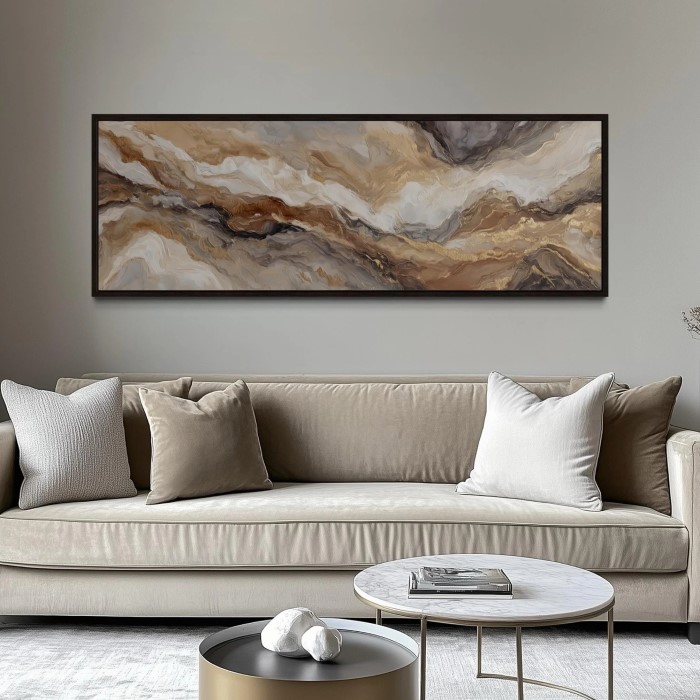
Abstract horizontal wall art features bold colors, shapes, and textures that evoke emotion without depicting concrete subjects. These pieces can energize a room and spark conversation. The fluidity of abstract art aligns well with modern decor, making it a favorite among homeowners seeking unique designs.
2. Landscape Paintings
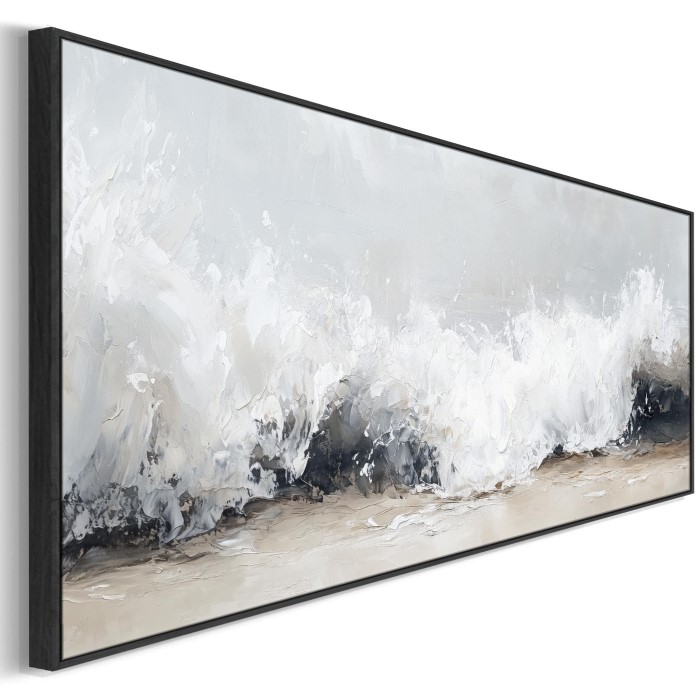
Landscape artwork is a classic choice that can bring a sense of serenity to a space. Horizontal landscape paintings depict expansive views, from rolling hills to tranquil oceans. These types of artworks can enhance a sense of calm and connection to nature, ideal for bedrooms or relaxation areas.
3. Photography
Horizontal photographs offer a contemporary and versatile option for wall decor. Whether featuring cityscapes, wildlife, or product photography, high-quality prints can make stunning additions. Black and white photography adds an element of sophistication, while vibrant color photographs infuse energy into the room.
4. Mixed Media Art
Mixed media horizontal wall art introduces diverse materials, such as wood, metal, or fabric, combined with paint or digital elements. This style offers depth and texture, creating visual interest in any setting. Such pieces can act as conversation starters and focal points in a room.
5. Tapestries and Textiles
Textiles serve as unique horizontal art pieces that can soften a space while adding warmth and coziness. From intricate woven tapestries to modern fabric wall hangings, these options offer a tactile element to decor. Their horizontal nature can fill large wall spaces beautifully.
Trends in Horizontal Wall Art for 2025
As we enter 2025, the trends in horizontal wall art continue to evolve, reflecting changing tastes and style preferences. Here are some notable trends to watch:
- Sustainable Art: With growing awareness around environmental concerns, eco-friendly materials and processes in art production are gaining traction. Many artists are prioritizing sustainability, creating pieces from recycled materials or utilizing non-toxic inks.
- Large-Scale Installations: Oversized horizontal wall art that covers significant portions of a wall is becoming increasingly popular. Such installations can transform a space dramatically, making art a key feature in interior design.
- Gallery Walls: The gallery wall concept allows for creativity and personal expression by arranging multiple pieces of horizontal art in a unified collection. Homeowners often mix various styles and frames, creating personalized stories across their walls.
- Personalization Options: Customizable wall art is on the rise. Many businesses now offer personalization options, allowing customers to create unique pieces that reflect their interests. This trend fosters a closer connection between the artwork and the homeowner.
- Technological Integration: Digital art and interactive installations are emerging trends. Artists are experimenting with augmented reality, allowing viewers to engage with the art in new and innovative ways. This blending of technology with art provides fresh experiences and unique interactions.

Tips for Hanging Horizontal Wall Art
To appropriately showcase horizontal wall art, placement and hanging techniques are essential. Here are some helpful tips:
Eye Level Placement
- Importance of Eye Level: For optimal viewing, it’s essential to hang art pieces at eye level. This placement ensures that the artwork is easily visible and accessible to everyone in the room, enhancing the overall enjoyment of the pieces.
- Universal Enjoyment: Positioning artwork at eye level allows both children and adults to appreciate the details without discomfort. When art is hung too high or too low, viewers may have to strain their necks or crouch down, which can detract from their experience.
- Creating a Comfortable Viewing Experience: A comfortable viewing experience encourages people to engage with the art, sparking conversations and interest. This is particularly significant in social spaces where guests gather, such as living rooms or galleries.
- Adjusting for Height: When hanging artwork in a mixed-use space with both children and adults, consider adjusting the height slightly. If children frequently interact with the art, it might be beneficial to lower the height slightly to accommodate their viewing.
Spacing Considerations
- Even Spacing is Key: When arranging artwork, especially in a gallery wall format, it’s vital to ensure that pieces are spaced evenly. This balance creates a polished and cohesive look, making the arrangement visually appealing.
- Ideal Distances: Generally, leaving 2 to 4 inches between frames is ideal. This distance allows enough room for each piece to stand out while maintaining a unified appearance.
- Impact of Spacing on Composition: Proper spacing can enhance the overall composition of your wall art. If artwork is placed too closely together, it can lead to a cluttered look, whereas too much space can make pieces feel disconnected.
- Adjusting for Artwork Size: Larger pieces may warrant slightly wider spacing, while smaller artworks can be placed closer together. Adjusting spacing based on the size and scale of the artworks helps achieve the intended visual impact.
Use the 57-Inch Rule
- Understanding the 57-Inch Rule: A widely accepted guideline in the art world is the 57-inch rule. This suggests that the center of the artwork should be hung approximately 57 inches from the floor, making it an effective standard for optimal viewing.
- Why 57 Inches?: This height is derived from average eye levels and is considered comfortable for most adults. Following this guideline can help create a harmonious and balanced arrangement that appeals to a broad audience.
- Flexibility Based on Room Height: While the 57-inch rule is a helpful guideline, it may vary based on the size of the artwork or the height of the room. In spaces with high ceilings, for instance, it might be appropriate to adjust the height of the artwork accordingly.
- Creating a Consistent Look: Using the 57-inch rule when hanging multiple pieces can create a consistent look across different artworks, ensuring that visitors enjoy a cohesive experience as they move through the space.
Consider Room Size
- Assessing Wall and Room Dimensions: The size of the wall and the overall dimensions of the room should significantly influence the choice of artwork. Consider the scale of both the art and the space it will inhabit before making decisions.
- Larger Pieces for Expansive Spaces: In larger spaces, such as open living areas or expansive corridors, larger pieces of art can be quite striking. They fill the space and create a sense of grandeur, enhancing the overall aesthetic.
- Grouping Smaller Pieces: In contrast, smaller pieces work well in intimate settings. Grouping multiple smaller artworks together can create a dynamic gallery wall that allows for more visual interest without overwhelming the space.
- Balancing Proportions: Ensuring a balance between artwork and room dimensions helps prevent feelings of emptiness or clutter. The goal is to create harmony between the art and the surrounding space.
Experiment with Orientation
- Creative Possibilities with Orientation: Horizontal art doesn’t have to be limited to the classic hanging position. Homeowners can enhance their art displays by experimenting with different orientations, such as tilting pieces slightly or hanging them at an angle.
- Adding Whimsy and Interest: Playing with angles can introduce a fun and contemporary touch. It adds an element of surprise and can make the space feel more dynamic, encouraging viewers to engage differently with the artwork.
- Mixing with Vertical Pieces: Combining horizontal art with vertical pieces can help create visual contrast and interest. This mix can make for a more visually captivating arrangement, posing an exciting deviation from standard displays.
- Creating Balance and Flow: While experimenting with orientation, it’s essential to maintain balance and flow within the overall aesthetic. Each piece should complement the arrangement, ensuring the display remains cohesive even with unconventional placements.
FAQs
As homeowners consider incorporating horizontal wall art into their spaces, they may have several questions. Here are answers to some common FAQs:
- What is a sideways painting called?
A sideways painting is often referred to as a “landscape orientation” piece. This term describes the orientation of the artwork where the width is greater than the height. - What is the 57 rule for hanging art?
The 57 rule suggests that the center of artworks should be placed approximately 57 inches from the ground. This height is generally considered optimal for viewing. - What are the current wall art trends?
Current trends include large-scale installations, sustainable and eco-friendly art, gallery walls with diverse styles, and the integration of technology into art pieces. - How do I choose the right size for my horizontal wall art?
Choosing the appropriate size depends on the size of your wall and existing decor. Large pieces work best in expansive spaces, while smaller options are suitable for intimate areas or for creating a gallery wall. - Can I mix different styles of horizontal wall art?
Yes! Mixing various styles of horizontal wall art can create a dynamic and visually appealing display. Just ensure that there is a common theme or color palette that ties the pieces together.
Conclusion
In summary, horizontal wall art offers a versatile and engaging approach to home decor that can capture attention and elevate the ambiance of any room. From promoting creativity and expression to influencing the aesthetics of your space, horizontal pieces are invaluable additions to home design.
As we explore the benefits and trends shaping horizontal wall art, it becomes evident that this decorative form continues to evolve while inspiring creativity and personal expression. Whether it’s through oversized installations or personalized custom pieces, homeowners can transform their walls into captivating canvases that reflect their passions and ideals. Embrace the fascinating world of horizontal wall art and let it inspire a new dimension of creativity in your living space!