





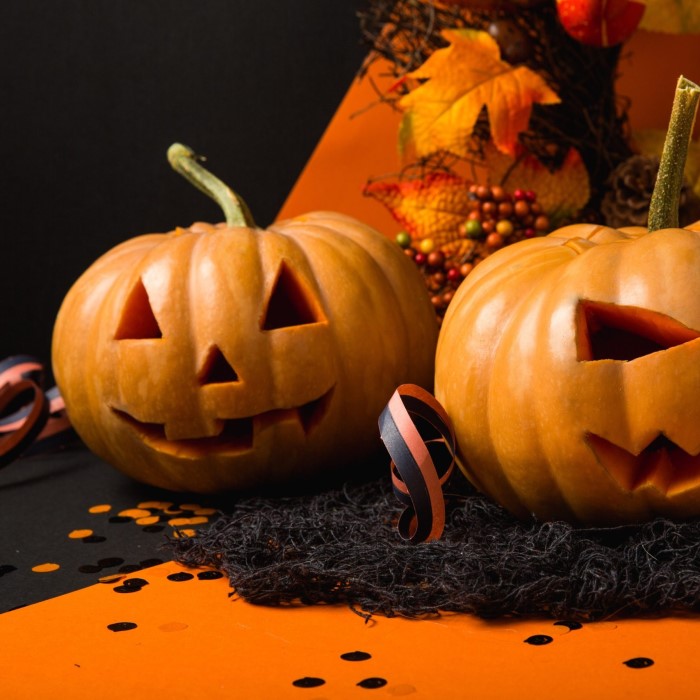
Halloween, celebrated on October 31st, is well-known for its costumes, trick-or-treating, and various spooky themes. Despite its popularity, not everyone partakes in Halloween festivities. To better understand the dynamics surrounding this holiday, it’s essential to answer the question: what religion doesn’t celebrate Halloween? Various beliefs and cultures shape individual attitudes toward Halloween. In this article, we will delve into the perspectives of different religions, their views on Halloween, and the reasons behind their choices.
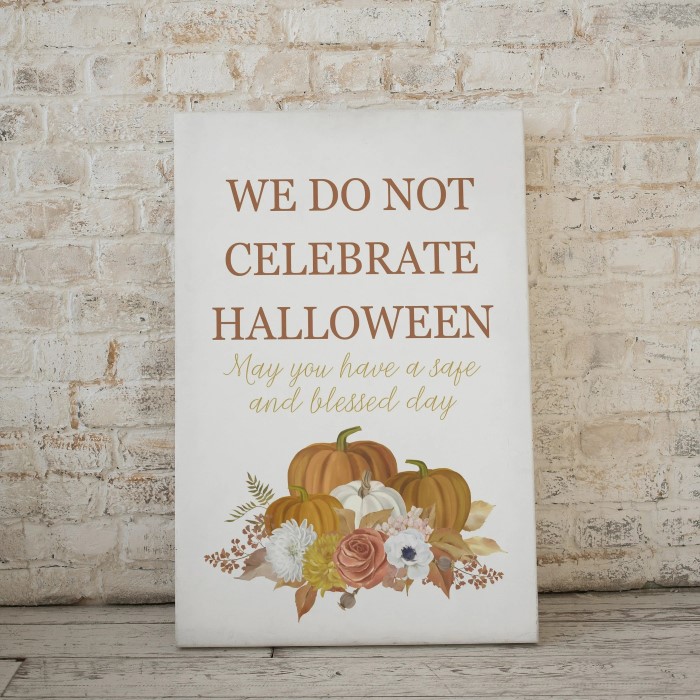
Understanding Halloween’s Origins
What religion doesn’t celebrate halloween? Before examining various religions, it’s valuable to explore Halloween’s origins. The holiday has roots in the ancient Celtic festival of Samhain, a time when people believed the boundary between the living and the dead was blurred. Over time, this ancient tradition merged with Christian practices, leading to the Halloween we recognize today. Nonetheless, many religions maintain unique perspectives on this holiday, which influences whether they choose to celebrate it or not.
Religions That Do Not Celebrate Halloween
Judaism
- Overview of Jewish Tradition: In Jewish tradition, Halloween is often viewed with skepticism. The holiday is generally not celebrated within the community, as it does not align with their cultural values or religious customs.
- Themes of Death and Superstition: Many Jewish individuals feel that Halloween emphasizes themes of death and superstition. These motifs contrast sharply with Jewish practices, where life and community are celebrated more prominently.
- Focus on Life and Moral Values: Jewish teachings and traditions prioritize the celebration of life, morality, and ethical values. Instead of engaging with themes associated with Halloween, such as fright and the supernatural, Jewish practices encourage fostering community bonds and living by moral principles.
- Alternative Celebrations: When it comes to festive occasions, Jewish people turn to their own religious holidays, such as Passover or Hanukkah, which are rich in cultural significance and aligned with their beliefs. These holidays emphasize themes of liberation, faith, and community rather than fear.
Islam
- Religious Stance on Halloween: Islam does not celebrate Halloween, as the holiday’s origins conflict with Islamic teachings. Many Muslims hold strong beliefs about avoiding practices that conflict with their faith.
- Concerns Over Spiritual Allusions: The allusion to spirits, along with dressing up as ghouls or witches, can be troubling for many followers of Islam. These aspects of Halloween may invoke themes that Islam discourages.
- Participation in Cultural Events: While some Muslims may choose to attend Halloween gatherings or view the holiday as simply a cultural event, the majority prefer to abstain. This choice reflects their desire to uphold their beliefs and values.
- Emphasis on Religious Holidays: Instead of partaking in Halloween festivities, Muslims often observe their own religious holidays, like Eid al-Fitr and Eid al-Adha. These celebrations are deeply rooted in cultural and spiritual significance, emphasizing gratitude, community, and devotion to faith.
Buddhism
- Diverse Perspectives in Buddhism: Within Buddhism, opinions on Halloween can vary widely. While some Buddhists might celebrate the holiday in non-religious contexts, the predominant view is that they do not actively engage in Halloween traditions.
- Focus on Mindfulness and Spiritual Growth: For many in the Buddhist community, the emphasis lies on mindfulness, meditation, and spiritual development. Engaging in festivities associated with fear or superstition does not align with their core teachings.
- Alternative Observances: Rather than celebrating Halloween, Buddhists often observe more meaningful moments related to their spiritual journeys and practices. Events such as Vesak, which commemorates the birth, enlightenment, and death of the Buddha, take precedence over secular holidays.
- Cultural Adaptation: In multicultural settings, some Buddhists might participate in Halloween as a way to connect socially, though it is typically done with a clear distinction from their religious beliefs. This approach allows them to maintain their spiritual integrity while engaging with the broader community.
Hinduism
- Diversity Within Hindu Beliefs: Hinduism is characterized by a vast diversity of beliefs and practices, leading to varied responses to the celebration of Halloween. Many Hindus do not view Halloween as relevant to their spiritual or cultural practices.
- Cultural Participation: While some Hindus may partake in Halloween as a fun cultural event, they usually do so without any religious implications. Their participation is often limited to secular festivities rather than religious observance.
- Significant Hindu Festivals: Hindu celebrations typically revolve around important holidays such as Diwali or Holi. These festivals focus on triumph, renewal, and community, taking precedence over Halloween in cultural significance.
- Respect for Traditions: Many Hindus prefer to honor their cultural heritage and spiritual beliefs rather than engage in celebrations that do not resonate with their values. This respect for tradition often leads to a general lack of interest in Halloween festivities.
Various Indigenous Religions
- Spiritual Practices of Indigenous Cultures: Numerous Indigenous cultures have distinct spiritual practices and beliefs that do not align with Halloween traditions. Many Indigenous peoples prioritize customs that reflect their unique relationships with nature and their ancestors.
- Celebrating Life and Nature: Central to many Indigenous beliefs is the celebration of life, nature, and the spiritual connection with the earth. Halloween, particularly its emphasis on fear and death, does not resonate with these core values.
- Honoring Ancestors: Indigenous cultures often place a significant emphasis on honoring ancestors as part of their spiritual practices. Celebrations that recognize the past and promote community are preferred over observing a holiday associated with fear or superstition.
- Cultural Resilience: Many Indigenous communities continue to uphold their rich cultural traditions regardless of mainstream practices like Halloween. These communities focus on preserving their identities and fostering respect for their heritage, further distancing themselves from Halloween festivities.
What Religion Can’t Trick or Treat?
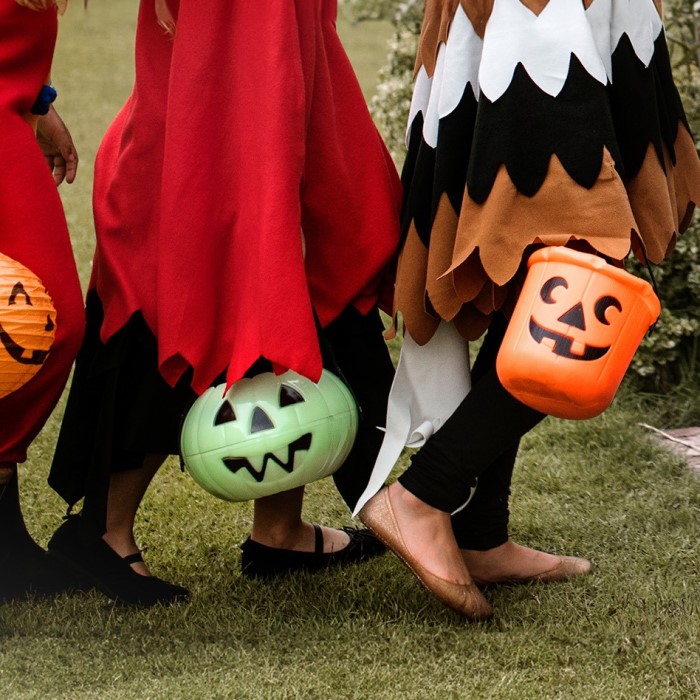
What religion doesn’t celebrate halloween? The practice of trick-or-treating, commonly associated with Halloween, often raises concerns among specific religious communities. For instance, both Islam and Judaism discourage participation in trick-or-treating due to its association with pagan rituals and themes that may conflict with their beliefs. Instead, these communities often promote alternative celebrations that reflect their values, such as communal gatherings or festivals focused on heritage and faith.
Why Do Muslims Not Celebrate Halloween?
Muslims tend to abstain from Halloween for several reasons. Primarily, Islamic teachings emphasize avoiding practices that invoke superstitions or celebrate themes linked to death. Many Muslims regard the holiday as rooted in non-Islamic traditions, and therefore, choose not to participate.
Some Muslims may also argue that Halloween promotes negative behaviors such as mischief or excessive commercialism. Consequently, they prefer to focus on meaningful celebrations pertinent to their faith, such as Eid. This desire to foster an environment of respect and devotion contributes to their aversion to Halloween festivities.
What Religion Can Celebrate Halloween?
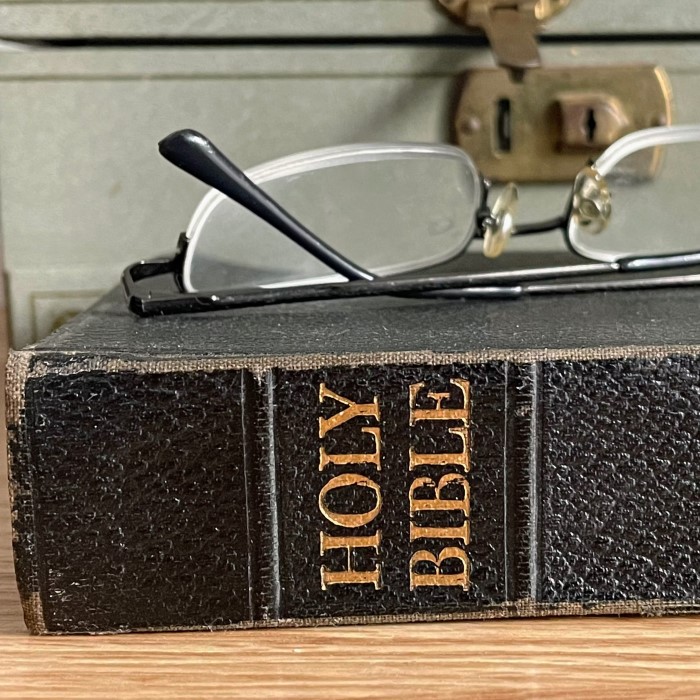
What religion doesn’t celebrate halloween? While several religions abstain from Halloween, others may embrace the holiday in various ways. For instance, certain Christian denominations may celebrate Halloween while guiding their congregations toward understanding the holiday’s history. These groups often focus on the moral lessons embedded in the season, opting for family-friendly activities that deviate from traditional scary imagery.
Moreover, some individuals from diverse faith backgrounds may participate in Halloween as a cultural event rather than a religious one. In these cases, the emphasis may be placed on community and creativity rather than superstition. “Celebrating Halloween” for them involves dressing up and having fun rather than adhering strictly to its historical roots.
Middle Ground: Cultural vs. Religious Perspectives
Understanding Distinctions:
Recognizing the difference between cultural and religious observations is crucial. While some practices are rooted deeply in spiritual beliefs, others may simply be cultural expressions devoid of religious significance.
Many individuals engage with holidays like Halloween based on personal beliefs and experiences, leading to varied interpretations of what the holiday means to them.
Engagement on Personal Terms:
People from diverse faith backgrounds often choose to participate in Halloween celebrations on their own terms. This means they may adapt the festivities to align with their values or personal preferences.
For instance, individuals who identify as secular may embrace Halloween as a fun and creative occasion, focusing on costumes, parties, and community gatherings instead of its traditional religious undertones.
Secular Celebrations:
Secular versions of Halloween can appeal to non-religious participants looking for a festive experience. Activities such as costume contests, themed parties, and community events foster a sense of belonging and creativity, devoid of religious connections.
These celebrations enable people from various backgrounds to come together, removing barriers and focusing on shared experiences rather than beliefs.
Interfaith Dialogue:
Interfaith dialogue plays a pivotal role in enriching perspectives on Halloween. Such conversations allow individuals from different religious backgrounds to share their views about the holiday, promoting mutual understanding.
By discussing the significance of Halloween in relation to their unique beliefs, individuals can foster an environment of respect and curiosity.
Community Diversification:
As communities become increasingly diverse, exploring how different cultural and religious groups approach Halloween becomes essential. This diversification adds layers of meaning to celebrations, making them more inclusive.
Conversations surrounding Halloween can help bridge gaps and break down stereotypes, creating dialogue that encourages different traditions to coexist harmoniously.
Encouraging Mutual Respect:
Engaging in discussions about Halloween can lead to greater appreciation for the complexities surrounding the holiday. Understanding that not everyone celebrates in the same way can foster respect for varying beliefs.
Through these exchanges, individuals are more likely to acknowledge and validate the choices made by others regarding participation in the holiday.
The blending of cultural and religious perspectives allows for the creation of shared experiences. By integrating various traditions into celebrations, communities can enhance the richness of their festivities.
This melting pot of ideas can lead to unique celebrations that honor diverse beliefs while bringing people together around common values like creativity, community, and joy.
Evolution of Celebrations:
Over time, the way communities celebrate Halloween may evolve, influenced by interfaith dialogue and cultural exchanges. As more people share their perspectives and traditions, Halloween celebrations may adapt to reflect this changing landscape.
This evolution highlights the ability of communities to honor tradition while embracing new ideas, making Halloween a dynamic occasion that resonates with a broader audience.
Conclusion
In conclusion, the question of what religion doesn’t celebrate Halloween unveils insights into various religious perspectives regarding this modern-day holiday. The commonality among religions that do not celebrate Halloween revolves around their teachings and emphasis on respecting spiritual principles. It highlights the importance of recognizing and understanding differing viewpoints towards the holiday.
In a world filled with diverse cultures and beliefs, it becomes increasingly vital to appreciate our differences. As we engage in Halloween festivities, it’s essential to remain aware of the attitudes of others—especially when considering the historical and religious contexts surrounding this holiday.