




Introduction
Mid century wall art is a unique blend of creativity, history, and style that can elevate your home decor. This artistic style, rooted in the mid-20th century, beautifully reflects the cultural and aesthetic values of its time. Incorporating mid-century wall art into your space not only adds vintage charm but also helps in crafting an atmosphere of sophistication and warmth. This article delves into the significance of mid-century wall art, how it can transform your surroundings, and tips for integrating it into your decor.
The History
Understanding mid century wall art starts with exploring its historical background. The mid-century modern movement emerged from the post-World War II era, specifically between the 1940s and 1960s. During this time, artists embraced the principles of minimalism, functionality, and organic forms. Influenced by significant social changes, including advancements in technology and shifts in design philosophy, mid century wall art became synonymous with clean lines, geometric shapes, and organic forms. Iconic artists and designers, such as Paul Klee and Piet Mondrian, influenced the aesthetics, making it a timeless choice for homeowners.
Types of Mid Century Wall Art
One appealing aspect of mid century wall art is its diversity. This style encompasses various art forms, including paintings, sculptures, textile art, and graphic designs, each radiating a distinct vibe. From bold colors to intricate patterns, mid-century wall art allows for expression and creativity in your space.
Abstract Paintings
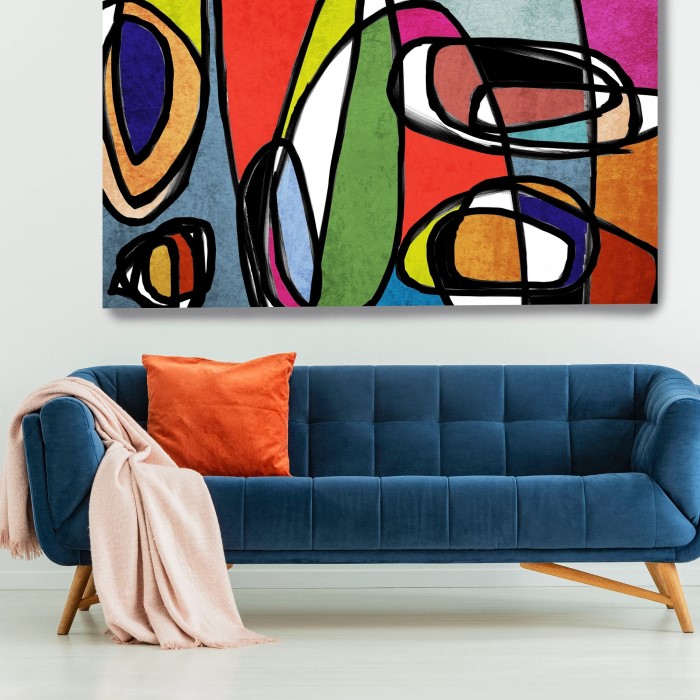
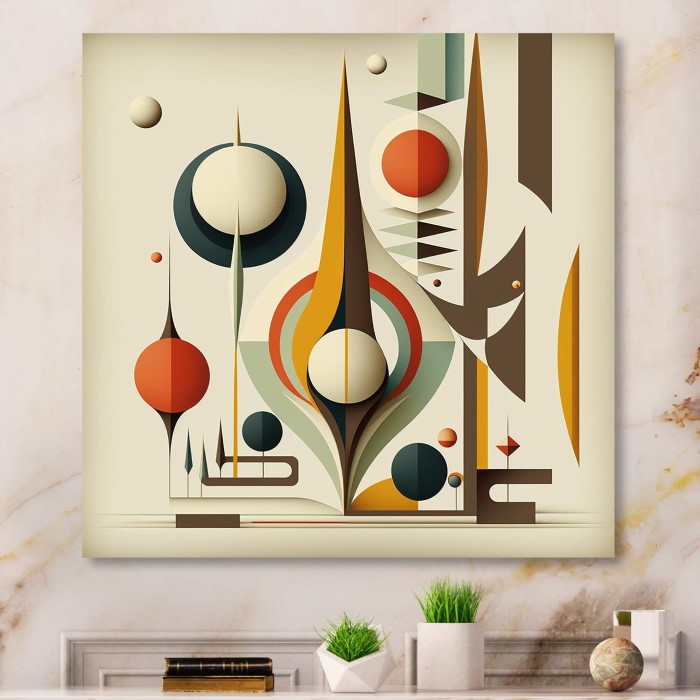
Abstract paintings are among the most popular choices for mid century wall art. Characterized by vivid colors and free-flowing shapes, these artworks are perfect for creating a focal point in any room. They capture the essence of mid-century modernism, inviting curiosity and contemplation.
Geometric Wall Art
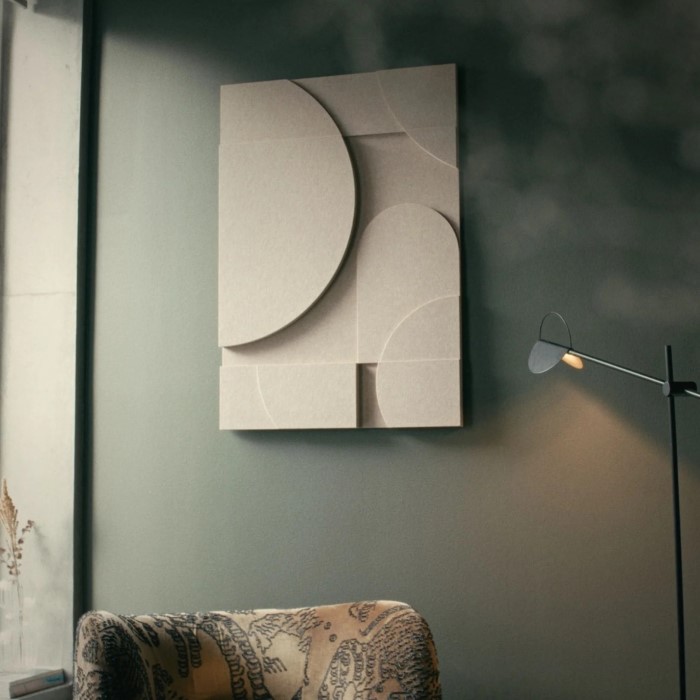
Another prevalent form of mid-century wall art is geometric design. Combining sharp angles and bold colors, geometric art engages the eye and reflects the mathematical precision that was central to mid-century design. Incorporating geometric pieces can give your space a dynamic yet balanced feel.
Textile Art
Woven Tapestries and Wall Hangings
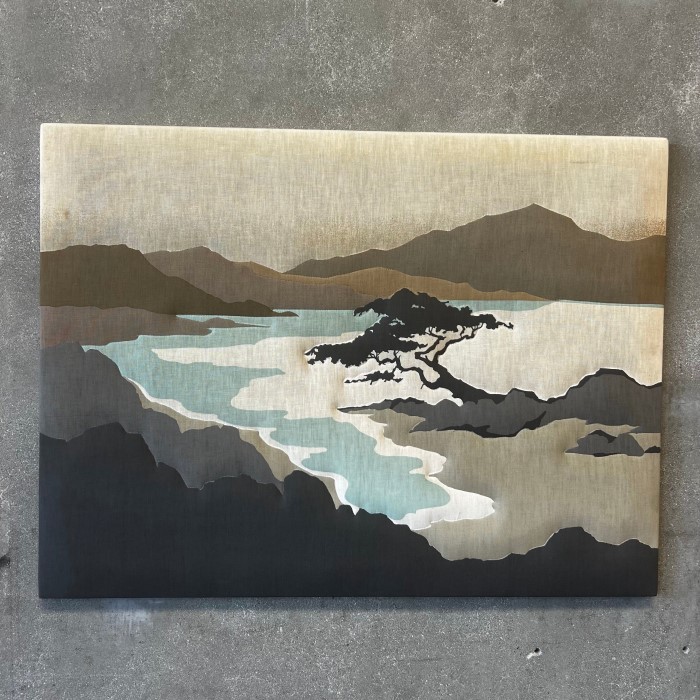
- Diverse Materials: Textile art is crafted from a variety of materials, including cotton, wool, linen, and synthetic fibers. This diversity not only showcases the artist’s creativity but also allows for a wide range of textures and finishes. Each material can convey different feelings, making the artwork an intentional part of the overall ambiance in a room.
- Craftsmanship and Technique: The creation of woven tapestries and wall hangings involves intricate techniques such as weaving, knotting, or quilting. These methods highlight the skill of the artist, emphasizing the craftsmanship behind each piece. Unlike paint on canvas, textile art often requires time and dedication to craft, making each piece unique.
- Visual and Textural Interest: One of the standout features of textile art is the added texture it brings to the walls. The three-dimensional quality of woven pieces can make a space feel more inviting and warm. This contrast blurs the lines between art and home decor, enhancing the overall aesthetic of any room.
Thematic Elements
- Organic Motifs: Many mid-century textile artworks incorporate organic shapes inspired by nature, such as leaves, flowers, or abstract representations of natural elements. These motifs resonate with the era’s overall design philosophy, which sought to connect the indoors with the outdoors. By integrating nature into wall decor, these pieces encourage a sense of tranquility and harmony.
- Earthy Tones: The color palettes often utilized in textile art from the mid-century period include warm, earthy tones that evoke a sense of calmness and grounding. Colors such as terracotta, mustard yellow, olive green, and burnt sienna reflect the natural world and provide a soothing backdrop that complements various interior styles.
- Simplicity and Functionality: Reflecting the essence of mid-century modern design, artists often emphasize simplicity in textile art. Minimalist patterns and uncomplicated forms are common, aligning with the broader goal of promoting functionality in all aspects of home decor. This approach ensures that textile art can be appreciated for both its aesthetic appeal and its harmonious contribution to the overall design.
Integration into Home Decor
- Versatile Placement: Textile art is incredibly versatile and can be placed in various settings, from living rooms to bedrooms and even home offices. Depending on the design, it can serve as an eye-catching focal point or a subtle enhancement to existing decor.
- Enhancing Comfort: By adding warmth and texture to walls, textile art creates a comfortable atmosphere, making spaces feel cozier. This quality is particularly valuable in areas where relaxation and comfort are priorities, such as bedrooms and reading nooks.
- Unique Style Statements: Incorporating textile art allows homeowners to cultivate a unique style that sets their space apart. By selecting pieces that reflect personal taste and aesthetic desires, individuals can transform their walls into personalized galleries, showcasing their individuality and appreciation for artistic craftsmanship.
How to Select Mid Century Wall Art for Your Space
Choosing the right mid century wall art involves considering several factors, including your current decor, the size of your space, and your personal style. Here are some essential tips for selecting the perfect pieces:
Consider Your Color Palette
The color palette of your space should guide your selection of mid-century wall art. If your room features neutral tones, consider bold and vibrant artworks to create contrast and visual interest. Alternatively, if you have a colorful environment, opt for subtler pieces that won’t clash but will instead complement your existing decor.
Size Matters
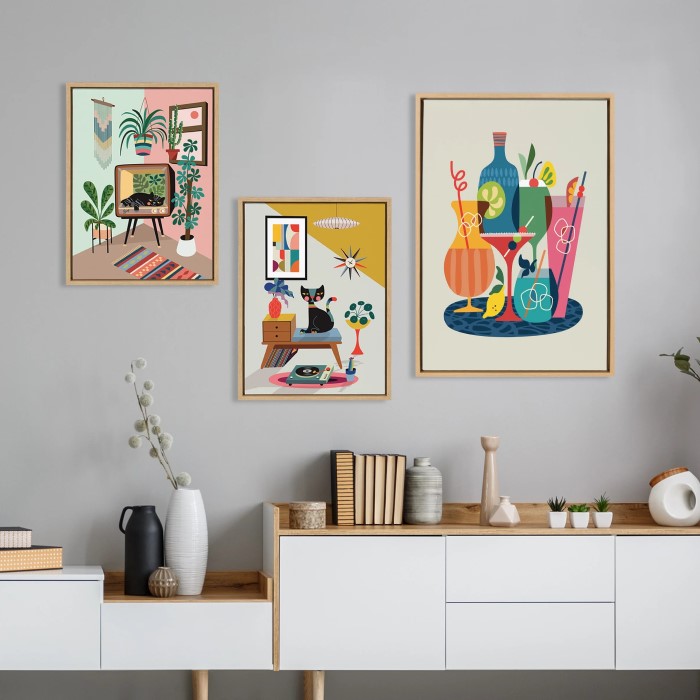
When selecting artwork, size is crucial. A large piece can serve as a dramatic focal point, while smaller pieces can be arranged in a gallery wall. Ensure the proportions of your wall art fit the dimensions of your wall space—oversized art can make a room feel engulfed, while tiny pieces may get lost.
Mix and Match
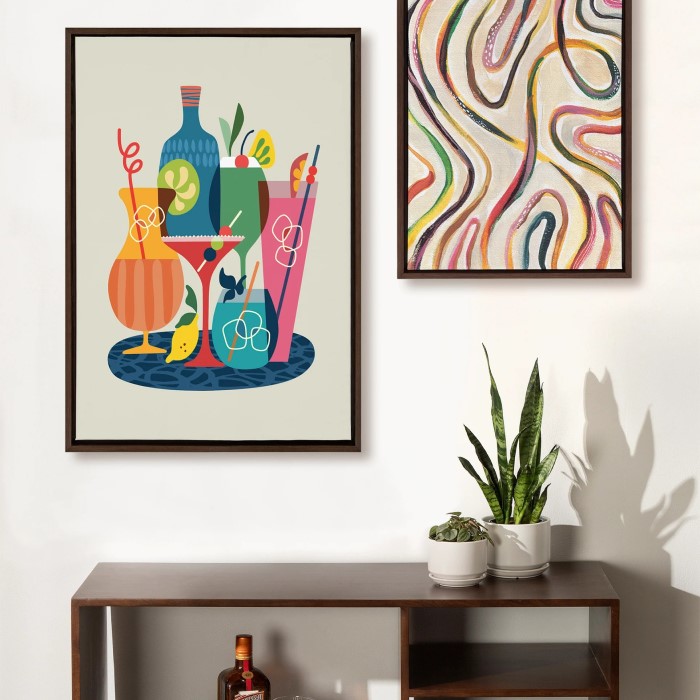
Mid-century wall art thrives on creativity. Don’t hesitate to mix different forms of art, textures, and colors to create a cohesive and eclectic look. A combination of abstract and geometric pieces can work harmoniously if thoughtfully curated.
Incorporating Mid Century Wall Art into Different Spaces
Mid century wall art is versatile and can bring charm to various spaces in your home. Here’s how to integrate it across different rooms:
Living Room
The living room is often the focal point of a home. Here, mid century wall art can set the tone for the entire space. Consider a large abstract painting above the sofa or a series of geometric prints arranged in a cohesive gallery wall. These choices can create a lively conversational atmosphere.
Bedroom
Incorporating mid-century wall art into the bedroom can enhance its aesthetic. Opt for softer, more subdued pieces that promote relaxation, such as serene landscapes or organic forms. Consider a woven wall hanging above the bed to add both texture and warmth to the room.
Home Office
Your workspace should inspire creativity. Mid century wall art can stimulate a productive environment. Choose lively colors and dynamic designs to keep your energy levels up. Incorporate smaller pieces that won’t overwhelm you but provide an invigorating backdrop.
Mid Century Modern vs. Art Deco: Understanding the Differences
Art Deco and mid-century modern styles are frequently compared. While both movements emerged around the same time, they are fundamentally different in aesthetics and philosophy.
Aesthetic Differences
Art Deco is recognized for its opulence, elaborate details, and luxurious materials, characterized by bold geometric patterns and flamboyant colors. In contrast, mid-century modern emphasizes simplicity, organic shapes, and functionality, focusing more on minimalism and connection with nature.
Design Principles
The principles that guide each style reflect their differing cultural values. Art Deco conveys the optimism and glamour of the Roaring Twenties, while mid-century modern arose from a desire for progress and practicality in the post-war era. This difference in values impacts the choice of art and decor associated with each movement.
Frequently Asked Questions
Is mid-century modern out of style in 2025?
Concerns about whether mid-century modern is out of style in 2025 may arise due to the ever-changing nature of design trends. However, mid-century modern remains timeless. Its clean lines and functional designs continuously inspire contemporary decor, ensuring its relevance for years to come.
What kind of art goes with mid-century modern?
Art that complements mid-century modern decor often features bold geometric patterns, organic shapes, and a vibrant color palette. Abstract art and textile pieces with earthy tones also blend seamlessly, enhancing the overall aesthetic of your space.
What is the difference between MCM and art deco?
Though both MCM and art deco share similarities, they differ in aesthetics and philosophies. Art Deco is characterized by luxury and intricate detail, while mid-century modern emphasizes simplicity and functionality. Understanding these differences can guide art selection for your home.
Conclusion
Incorporating mid century wall art into your home provides a unique opportunity to merge vintage charm with modern aesthetics. From abstract paintings to geometric designs, this art form can transform any space into a sophisticated and vibrant environment. By understanding the historical context, exploring different types, and knowing how to select and incorporate pieces, you can create a seamless look that reflects your personal style. Ultimately, mid-century wall art not only enhances your decor but also connects you to an inspirational design legacy. Don’t wait; start your journey in transforming your space with mid century wall art today!