
Introduction: The Importance of a Clean Drip Coffee Maker
If you’re a coffee lover, a drip coffee maker is likely an essential component of your morning routine. However, like any appliance, it needs regular maintenance to ensure it continues to brew coffee that not only tastes great but is also safe to drink. Over time, mineral deposits, coffee oils, and other residues can accumulate inside the machine, affecting both the flavor and performance of your brewer. Therefore, knowing how to clean drip coffee maker is crucial for all coffee aficionados.
In this guide, we’ll provide an in-depth look at the steps you need to take for effective cleaning, the supplies needed, maintenance tips, and frequently asked questions regarding coffee maker hygiene.
Why Regular Cleaning is Essential
1. Flavor Preservation
One of the primary reasons to clean your coffee maker regularly is to preserve the quality and flavor of your coffee. When leftover oils and residues from previous brews accumulate in the machine, they can impart undesirable flavors to your fresh coffee. By ensuring cleanliness, you can enjoy that rich, robust taste you crave.
2. Preventing Bacteria Growth
Coffee makers can become breeding grounds for bacteria, mold, and fungi if not properly maintained. Regularly cleaning your machine helps minimize microbial growth, ensuring that what you drink is safe and healthy.
3. Extending the Lifespan of Your Appliance
Periodic cleaning helps preserve the integrity of your coffee maker’s internal components. Accumulated residue can lead to blockages, causing wear and tear. A clean coffee maker lasts longer, saving you from premature replacements.
Step-by-Step Guide: How to Clean Your Drip Coffee Maker
How to clean drip coffee maker? To clean your drip coffee maker effectively, you’ll want to follow these simple steps for a thorough cleaning.
1. Gather Your Supplies
Before you start, make sure you have all the necessary supplies:
White Vinegar:
-
- White vinegar is a highly effective natural cleanser that can be utilized in a variety of cleaning tasks.
- Its acidic properties help to break down and remove mineral deposits, limescale, and other residues that may accumulate over time, particularly in appliances like coffee makers and kettles.
- To use, simply mix equal parts of white vinegar and water, then run the solution through your appliance or use it to wipe down surfaces. This not only cleans but also sanitizes areas, leaving them fresh and free of buildup.
Baking Soda (Optional):
-
- Baking soda is an optional ingredient that can provide extra scrubbing power, making it ideal for tackling stubborn stains or tough grime.
- When mixed with water, baking soda forms a gentle abrasive paste that can be applied to affected areas. This makes it especially useful for scrubbing stains on carafes, countertops, or any surface that may need a little extra effort to clean.
- Additionally, baking soda helps neutralize odors, contributing to an overall fresher environment.
Water:
-
- Water is an essential component in the cleaning process, both for rinsing and for creating effective cleaning solutions.
- When mixed with white vinegar or baking soda, water helps to dilute the substances, making them safe for use on various surfaces while enhancing their cleaning capabilities.
- After applying your cleaning solutions, use clean water to rinse away any residue, ensuring that surfaces are left spotless and free from any cleaning agents.
A Soft Cloth or Sponge:
-
- A soft cloth or sponge is essential for wiping down surfaces effectively. These tools are gentle enough to avoid scratching delicate materials while still providing thorough cleaning power.
- Use a soft cloth for dusting and wiping down the exterior surfaces of your appliances, while a sponge can be better for scrubbing out stubborn spots or deposits inside your carafe.
- Be sure to use a clean cloth or sponge for the best results, reducing the risk of spreading dirt or grime.
Dish Soap:
-
- Dish soap is a versatile cleaning agent that is particularly useful for cleaning removable parts such as the filter basket and carafe.
- It effectively breaks down grease and residue, making it easier to clean components that come into contact with food or beverages.
- To use, simply apply a small amount of dish soap to hot water and soak or wash the removable parts, then rinse thoroughly to ensure that no soap residue remains.
2. Prepare the Coffee Maker
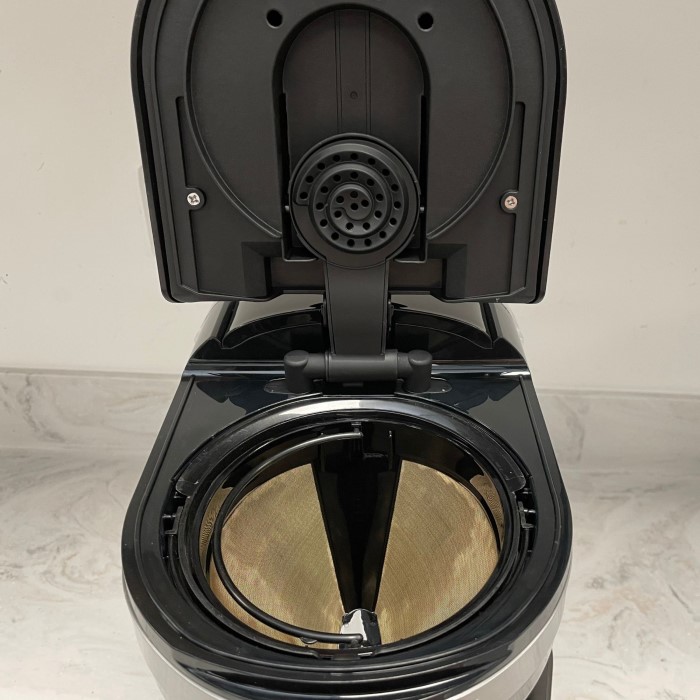
Start by unplugging your coffee maker and letting it cool if it has been used recently. Empty any leftover coffee from the carafe, and remove the filter basket and any used filters.
Cleaning Process: Using Vinegar and Water
1. Create the Cleaning Solution
Mix equal parts of white vinegar and water. For a standard drip coffee maker, you should use about 4 cups each of vinegar and water. This solution will effectively break down mineral deposits and oily residue inside the appliance.
2. Brew the Vinegar Solution
Pour the vinegar-water mixture into the water reservoir, just as you would when brewing coffee. Turn on the coffee maker and let it brew halfway. After it’s brewed halfway, turn off the machine and let it sit for about 30 minutes. This will allow the solution to penetrate any stubborn buildup and clean the internal mechanisms thoroughly.
3. Complete the Brew Cycle
After the waiting period, turn the coffee maker back on to complete the brew cycle. Discard the vinegar solution when done, and rinse the carafe and filter basket to remove any vinegar residue.
Rinsing the Coffee Maker
1. Rinse with Fresh Water
After discarding the vinegar solution, fill the reservoir with clean water and let the coffee maker run through a complete brew cycle. This step helps clear out any remaining vinegar residue and ensures that no vinegar flavor remains in future brews. It’s a good idea to perform this step two to three times to ensure thorough rinsing.
2. Clean the Carafe and Filter Basket
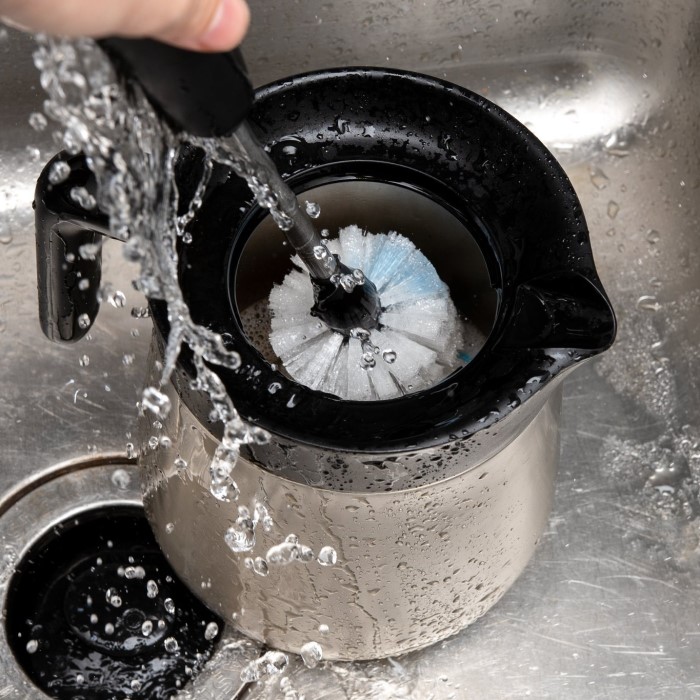
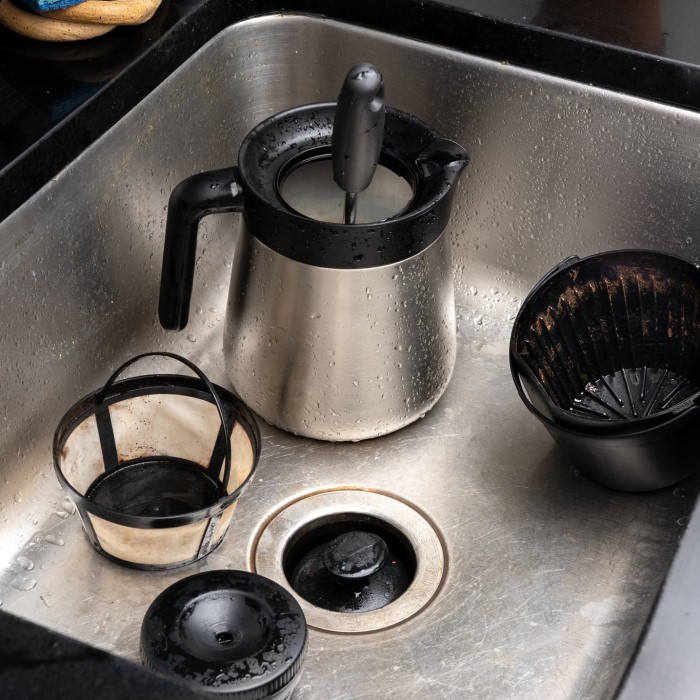
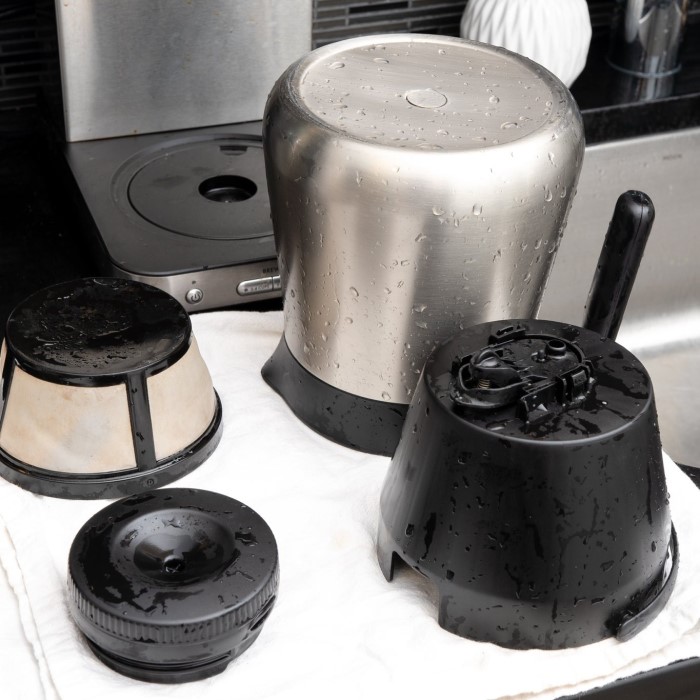
While the vinegar solution is cleaning the inner workings of the coffee maker, you should wash the carafe and filter basket with warm, soapy water. Use a soft cloth or sponge to scrub away any coffee stains. Rinse thoroughly to ensure no soap remains.
Preventive Maintenance Tips
1. Establish a Regular Cleaning Schedule
Aim to clean your drip coffee maker thoroughly at least once a month. However, if you use it daily, consider cleaning it every two weeks to prevent buildup from occurring.
2. Use Filtered Water
Using filtered or distilled water can minimize the mineral deposits that build up inside your coffee maker. This can help improve both the flavor of your coffee and the longevity of your appliance.
3. Pay Attention to the Coffee Quality
High-quality coffee can contribute to cleaner brewing. Opt for fresh coffee beans and less oily blends to minimize residue formation in your coffee maker.
Cleaning with Baking Soda
If you encounter stubborn stains or odors, you can use baking soda as an additional cleaning agent. Make a paste of baking soda and water, using it to scrub the interior surfaces, carafe, and filter basket. Rinse thoroughly after scrubbing to avoid leftover baking soda residue.
Frequently Asked Questions
1. How do you clean the inside of a drip coffee maker?
To clean the inside of a drip coffee maker, use a mixture of equal parts vinegar and water. Brew this solution through the machine, allowing it to break down mineral deposits and coffee residue.
2. How to clean a drip coffee maker with vinegar?
Fill the water reservoir with a vinegar-water solution (equal parts). Let it brew halfway, pause for 30 minutes, then complete the cycle. Rinse the machine thoroughly with clean water afterward.
3. How to clean a 5-cup drip coffee maker?
The cleaning process for a 5-cup drip coffee maker is the same as for standard machines. Use vinegar and water as cleaning solutions and follow the brewing instructions carefully.
4. Is vinegar or baking soda better for cleaning a coffee maker?
Vinegar is typically more effective for descaling and removing mineral buildup, while baking soda works well for scrubbing stains. Both can be used together for thorough cleaning.
Conclusion: A Clean Coffee Maker for Better Brews
In conclusion, understanding how to clean drip coffee maker is essential for anyone who loves coffee. By following this quick and easy process, you can maintain your coffee maker’s performance and enjoy flavorful coffee every time.
Regular cleaning helps prevent undesirable flavors, reduces health risks, and extends the life of your machine. With simple maintenance steps, a little effort goes a long way in preserving your coffee maker’s functionality.
So, gather your cleaning supplies now, set a regular schedule, and savor every delicious cup of coffee produced by your freshly cleaned machine. Cheers to great coffee and the satisfaction that comes from a job well done!