





Introduction: Can You Get Herpes from a Towel?
The world of sexually transmitted infections (STIs) is often clouded by misunderstanding. One common question people ask is, “Can you get herpes from a towel?” This inquiry raises concerns about hygiene and transmission routes associated with the herpes simplex virus (HSV). To address these anxieties, it’s essential to understand how herpes is transmitted, whether linens and towels pose a risk, and how to stay safe.

What Is Herpes and How Is It Transmitted?
Herpes is a common viral infection caused by herpes simplex viruses (HSV). It spreads easily and can lead to recurring symptoms. Understanding herpes and its transmission methods helps prevent its spread.
Overview of Herpes Virus Types (HSV-1 and HSV-2)
There are two main types of herpes simplex virus:
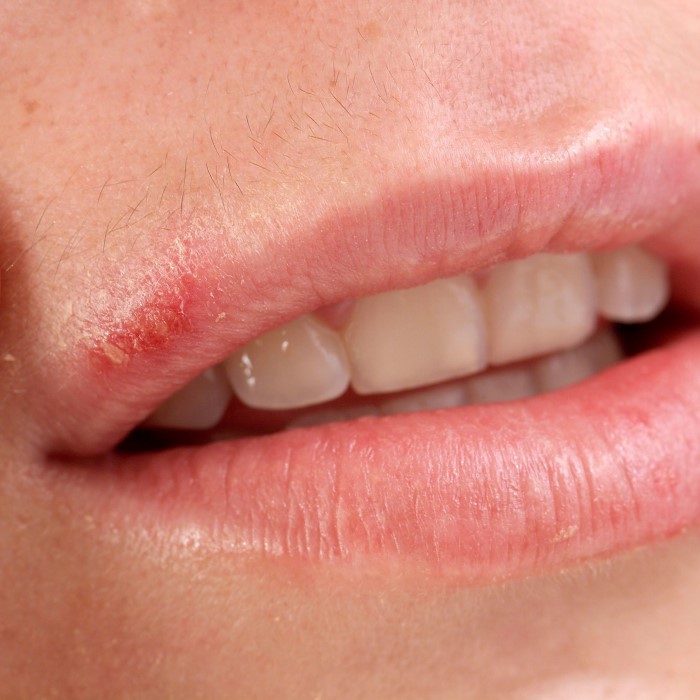
- HSV-1 (Oral Herpes): This type often causes cold sores or blisters near the mouth. It is mainly transmitted through oral contact, such as kissing or sharing utensils.
- HSV-2 (Genital Herpes): This form primarily affects the genital area. Spread occurs through sexual contact including vaginal, anal, or oral sex.
Both types can sometimes infect non-primary areas, like HSV-1 causing genital herpes in specific cases.
Common Modes of Herpes Transmission
Herpes is mainly transmitted through direct contact with:
- Skin: Touching a contagious sore or infected skin can spread the virus.
- Mucous Membranes: areas in the mouth or genital regions are vulnerable.
- Secretions: Fluids like saliva, vaginal fluids, or semen may carry the virus.
Other common ways of transmission include:
- Sharing Items: Items like lip balms or razors can expose individuals to infected fluids.
- Sexual Contact: HSV-2 is most commonly spread this way.
- Kissing: HSV-1 is often transmitted through mouth-to-mouth contact.
Understanding these transmission routes is crucial to reducing risks. Proper hygiene and careful use of personal items can greatly aid prevention.

Can Indirect Contact Spread Herpes?
Can you get herpes from a towel? Herpes transmission typically occurs through direct contact. However, indirect contact remains a concern for many. Understanding how indirect contact works is essential to address associated risks effectively.
What Is Indirect Contact?
Indirect contact means coming into contact with surfaces or objects contaminated by the virus. Examples include sharing personal items like towels, razors, or eating utensils. Unlike direct contact, this route does not involve skin-to-skin or mucous membrane interaction.
Though herpes primarily spreads through direct contact, concerns about indirect transmission still arise. Some believe the virus can survive on surfaces for extended periods, increasing the potential for infection.
- Towels: Many worry about towels retaining the virus after use by an infected person. Moisture and warmth make towels a potential environment for virus survival.
- Utensils and Cups: Sharing eating or drinking utensils is another shared concern, especially for HSV-1 transmission.
- Toiletries: Items like razors, lip balms, and makeup brushes are perceived as possible carriers.
- Gym Equipment: Public gym users may fear herpes transmission via sweat-contaminated equipment or shared mats.
These concerns highlight the importance of distinguishing between actual risks and misconceptions. Understanding herpes transmission and its likelihood through indirect exposure can help reduce unnecessary fears.
How Herpes May Survive on Surfaces Like Towels
Many people worry about whether towels can spread herpes. Moist towels may provide a short-term environment for virus survival. Herpes simplex virus can live outside the body briefly in ideal conditions. Warm and moist environments may increase this lifespan slightly. However, the virus becomes inactive quickly when exposed to air, light, and dryness.
Towels used by infected individuals may hold traces of saliva, sweat, or other fluids. These biological substances can potentially carry the virus. Sharing towels could, in theory, transfer the virus, but the risk remains very low. Direct skin or mucous membrane contact still poses the greatest risk of transmission.
Factors That Influence Herpes Virus Survival Outside the Body
Several factors determine how long herpes can survive on surfaces like towels:
- Moisture Levels: Wet surfaces or damp towels may help the virus persist longer.
- Temperature: Warm temperatures can extend survival. Extreme heat or cold typically destroys the virus.
- Material Type: Porous materials like cotton may retain traces longer than non-porous surfaces.
- Exposure to Air: The virus loses strength rapidly in open air.
- Sunlight: UV rays effectively kill the herpes virus on exposed surfaces.
Understanding these survival factors is crucial for evaluating actual risks. Towels are unlikely to spread herpes when personal hygiene and proper care are practiced.
Medical Opinions on Herpes Transmission via Towels
Towel usage by an infected person raises concerns about the spread of herpes. Medical experts, however, emphasize that direct skin or mucous membrane contact is the primary way the herpes simplex virus (HSV) spreads. Let’s explore expert opinions and relevant studies to understand the real risks better.
Expert Insights on the Likelihood of Towel Transmission
Experts agree that herpes transmission via towels is highly unlikely. This is because HSV cannot survive long outside the body. While moist and warm towels might briefly provide a suitable environment, the virus quickly loses its ability to infect.
Dermatologists explain that herpes spreads primarily through direct contact with infected skin or bodily fluids. Indirect surfaces, such as towels, pose minimal risk if proper hygiene is practiced. Sharing towels is still discouraged, not only to avoid herpes but also to protect against other skin infections.
Studies on Herpes Viability on Everyday Objects
Research shows herpes simplex virus has limited survival outside human hosts. Scientific studies conclude:
- HSV-1 and HSV-2 degrade rapidly on dry surfaces.
- Survival is slightly longer on moist objects, such as towels, but infection risk remains low.
- Environmental factors like air, light, and heat destroy the virus quickly.
Studies using contaminated objects, including utensils and towels, found little evidence of viable virus transfer. These findings reassure that towels are not a significant mode of herpes spread.
To minimize any risk, experts recommend washing towels regularly. Use hot water and detergents, as these are effective in killing the virus and other pathogens.
Preventative Measures for Reducing Transmission Risks
Understanding how to prevent herpes transmission is vital. Simple steps can minimize risks effectively.

Importance of Personal Hygiene
Personal hygiene plays a key role in preventing the spread of herpes. Proper hygiene practices include:
- Washing Hands: Wash hands thoroughly after touching shared surfaces or personal items.
- Avoid Sharing Personal Items: Refrain from sharing towels, razors, or utensils, even if no symptoms are visible.
- Cleaning Shared Spaces: Regularly clean commonly used items like doorknobs, gym equipment, and countertops.
- Disinfecting Towels: Wash used towels in hot water and detergent to remove any potential viruses.
Maintaining cleanliness is essential, especially when living with or being near an infected person. Good hygiene reduces chances of indirect transmission effectively.
Tips for Safely Sharing Common Items
Sharing certain items can pose risks if not handled carefully. Follow these tips to stay safe:
Use Separate Towels:
-
- Assign each family member or individual their own personal towel to ensure that there is no accidental sharing.
- This practice minimizes the risk of exposure to any fluids that might harbor the virus, as towels can easily become contaminated.
-
- Regularly sanitize shared items such as razors, toothbrushes, and combs to eliminate the potential for viral transmission.
- Utilize alcohol or other antiseptic solutions to thoroughly clean these items, ensuring they are safe for use.
Avoid Sharing Utensils:
-
- Encourage the use of individual utensils, such as forks, spoons, and knives, to reduce the risk of transmission of HSV-1 through saliva.
- Opt for separate cups and plates as well, especially in communal or shared dining situations, to further prevent exchange of bodily fluids.
Practice Good Laundry Habits:
-
- Implement a routine of frequently washing shared fabric items, like clothing, towels, and bed linens, using hot water.
- This helps to kill any potential viruses present, ensuring that items are safe to use thereafter.
Handle Gym Equipment Safely:
-
- Always use a clean towel to cover gym machines during workouts to create a barrier between your skin and the equipment.
- Make it a habit to wipe down gym equipment both before and after use with disinfectant wipes to maintain a hygienic workout environment.
Implementing these strategies helps lower herpes spread risks while maintaining shared spaces efficiently.
Other Myths and Facts About Herpes Spread
Misunderstandings about herpes transmission cause unnecessary fears and incorrect preventive measures. Clarifying common myths helps people approach the issue with accurate knowledge.
Debunking Common Misconceptions
- Myth: Herpes spreads easily through public surfaces.
- Fact: Herpes simplex viruses do not survive long on dry surfaces like countertops or gym equipment.
- Myth: Sharing towels guarantees herpes transmission.
- Fact: Towels may carry traces of fluids briefly, but the virus rapidly dies without a host.
- Myth: You can catch herpes from a toilet seat.
- Fact: Toilet seats are unlikely to hold viable herpes viruses due to exposure to air and dryness.
- Myth: Herpes spreads through casual contact like hugs or handshakes.
- Fact: Herpes requires direct skin or mucous membrane contact, not casual interaction.
- Myth: Visible symptoms are necessary for transmission.
- Fact: Herpes can spread even when no symptoms are present, called asymptomatic shedding.
Understanding Actual Risks
Herpes primarily spreads via direct contact with infected skin or fluids. Key modes of transmission include:
- Active Outbreaks: Contagion risk is highest during visible sores or active symptoms.
- Sexual Contact: HSV-2 often spreads during sexual activity, even without soreness.
- Kissing: Cold sores caused by HSV-1 may spread through mouth-to-mouth contact.
Indirect transmission risks, like sharing towels or utensils, are very low. Herpes viruses lose infectivity quickly outside the human body, particularly on dry or exposed surfaces. Proper hygiene measures effectively reduce even minimal risks.
Recognizing these facts prevents unfounded fears about herpes transmission in everyday situations.
When to Consult a Doctor About Herpes
Can you get herpes from a towel? Recognizing herpes symptoms early can help manage the condition and prevent complications. Consulting a doctor ensures accurate diagnosis and effective treatment.
Signs and Symptoms to Watch For
- Painful Sores or Blisters: Herpes often causes blisters on the mouth, genitals, or skin.
- Itching or Burning: Persistent irritation in affected areas might indicate herpes.
- Flu-Like Symptoms: Fever, swollen lymph nodes, and fatigue can accompany outbreaks.
- Recurring Symptoms: Frequent outbreaks may require medical attention and antiviral therapy.
- Asymptomatic Transmission Concerns: If you suspect exposure, visit a doctor even without visible symptoms.
- Other Skin Issues: Infections resembling herpes should be checked for proper identification.
Prompt medical evaluation avoids unnecessary stress and provides effective care during outbreaks.
Importance of Accurate Diagnosis and Treatment
Prevent Misdiagnosis:
-
- Herpes symptoms can often mimic those of other skin conditions, such as eczema or allergic reactions, making accurate diagnosis crucial.
- A thorough examination and appropriate laboratory tests are necessary to confirm the presence of the herpes virus.
- Misdiagnosis can lead to ineffective treatments and prolonged symptoms, emphasizing the importance of professional medical evaluation.
Start Early Treatment:
-
- Initiating antiviral medications at the first sign of an outbreak can significantly reduce the severity and duration of symptoms.
- Early treatment not only alleviates discomfort but also helps prevent the virus from spreading to others.
- Consult a healthcare provider to establish a treatment plan tailored to individual needs and frequency of outbreaks.
Avoid Long-Term Effects:
-
- If left untreated, herpes can lead to long-term complications, such as chronic nerve pain (post-herpetic neuralgia) and a higher susceptibility to other infections.
- Regular medical check-ups and continuous management can minimize the risk of these complications.
- Awareness of potential long-term effects encourages proactive treatment and management strategies.
Manage Emotional Impact:
-
- Living with herpes can bring about emotional and psychological challenges, including anxiety, depression, and stigma.
- Seeking expert guidance from mental health professionals or support groups can provide valuable coping strategies and emotional support.
- Open conversations with partners and loved ones can also alleviate feelings of isolation and provide a supportive network.
Reduce Transmission:
-
- Healthcare providers can offer effective strategies to help minimize the risk of transmitting the herpes virus to sexual partners or others.
- Practices such as using condoms, avoiding sexual contact during outbreaks, and discussing safe sex practices are essential components of transmission reduction.
- Education on the nature of the virus and understanding asymptomatic shedding can empower individuals to take informed precautions.
Always consult a healthcare provider if uncertain about symptoms or exposure. Early care improves health outcomes and minimizes risks.
Conclusion: Understanding Risk and Protection
In summary, when considering the question “can you get herpes from a towel,” it’s crucial to understand the primary modes of transmission. While it’s theoretically possible to contract herpes via contaminated surfaces, the risk is extremely low. Being informed and vigilant is the best strategy for preventing herpes transmission.
By practicing safe sex, maintaining good hygiene, and staying educated about the virus, individuals can minimize risks and manage their sexual health effectively. Always consult healthcare professionals for personalized advice and guidance regarding herpes and STIs. Empower yourself with knowledge, and dispel the myths that surround this common virus!