

Introduction: Understanding the Use of Paper Towels in Microwaves
Microwaves have become indispensable in modern kitchens. They provide a fast and efficient way to reheat food and cook meals. However, many people ask, “Can you put a paper towel in the microwave?” This common question warrants careful consideration. Using paper towels can help prevent messes and maintain moisture in your food. Nevertheless, understanding safe practices is crucial. In this article, we will explore the guidelines for using paper towels in the microwave, address common concerns, and provide expert tips to ensure safe microwaving.
The Benefits of Using Paper Towels in the Microwave
When used correctly, paper towels can offer numerous advantages in microwave cooking. Here are some key benefits:
- Prevention of Splatter: One of the primary uses of paper towels in the microwave is to prevent food splatters. Covering your dish with a paper towel creates a barrier that contains steam and moisture. This prevents the mess that usually arises when liquids heat up quickly.
- Moisture Retention: When reheating food, using a damp paper towel can help retain moisture. This is particularly beneficial for items like rice or leftovers, which can easily dry out without proper covering. A damp paper towel keeps your food from becoming rubbery or stale.
- Easy Cleanup: Using paper towels simplifies the cleaning process. When food does splatter, it lands on the towel instead of your microwave’s interior. This means less scrubbing and more time enjoying your meal.
- Versatility: Paper towels can serve various food items, from baking to microwaving snacks. Their versatility makes them a great addition to your microwave cooking toolkit.
What Happens When You Microwave Paper Towels?
Can you put a paper towel in the microwave? Microwaving paper towels is common, but it involves specific processes and potential concerns. Understanding what happens when you heat paper towels in a microwave is key to safe usage.
The Science Behind Heating Paper Towels in a Microwave
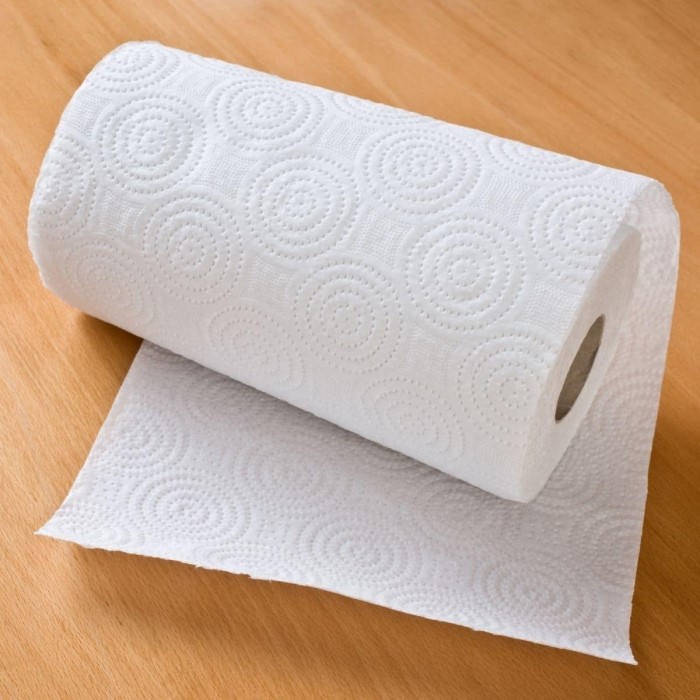
Paper towels are designed to be absorbent. This structure allows them to withstand brief microwave heating. Microwaves heat items by causing water molecules to vibrate. If the paper towel is damp, this makes it heat faster. Dry paper towels heat slower but can still warm up. However, excessive heat can lead to combustion, especially if the paper towel is dry or folded tightly. Knowing this can help prevent overheating and reduce risks.
Common Issues and Concerns
There are several concerns when using paper towels in a microwave. A primary issue is whether the paper towel can catch fire. This usually happens when it’s exposed to prolonged heat. Another common concern is the release of chemicals. Some dyed or printed towels may release substances under high heat. Additionally, poorly placed paper towels can block ventilation or touch the microwave’s walls, causing further risks. Understanding these problems can help ensure safer microwave use with paper towels.
Safety Guidelines for Microwaving Paper Towels
Understanding safety guidelines can help you use paper towels in the microwave without risks. Follow these tips to avoid any issues.
Types of Paper Towels to Be Used
When it comes to microwaving food, not all paper towels are created equal. Selecting the right type of paper towel is crucial for ensuring safe cooking practices. Below are essential guidelines regarding which paper towels are suitable for microwave use:
Stick to Plain, White Paper Towels
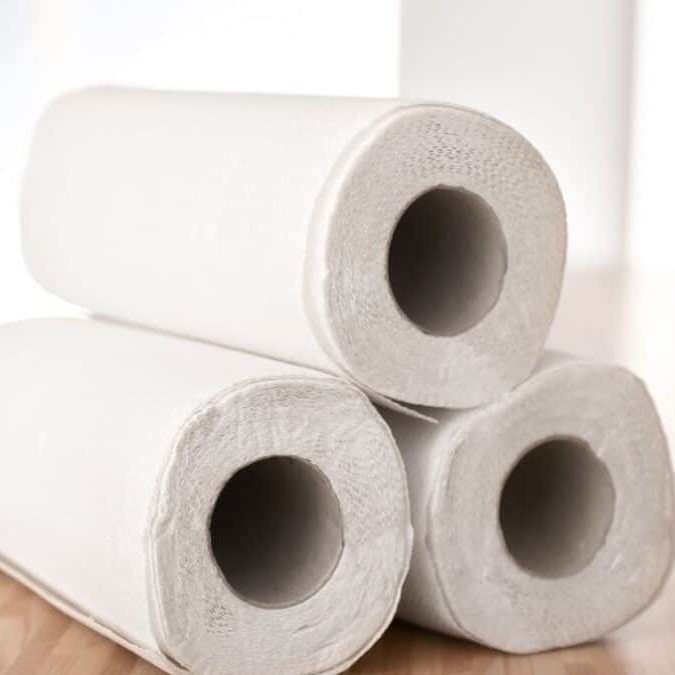
The best option for microwaving is to use plain, white paper towels. These towels are typically made from uncolored, unprinted cellulose fibers, which have been produced without additional chemicals. By using plain white towels, you minimize the risk of introducing contaminants into your food. These types of paper towels are less likely to leach harmful substances when exposed to heat, making them a safer choice for reheating or covering food in the microwave.
Avoid Printed or Colored Towels
It is important to avoid using printed or colored paper towels in the microwave. The inks and dyes often used in these products can contain various chemicals that may become volatile when heated. As temperatures rise, these substances can potentially migrate into your food, posing health risks. Additionally, the moisture from your food can enhance the leaching process, which amplifies the concern. To ensure safety in food preparation, it is advisable to stick with plain, unprinted varieties that do not compromise your meal’s integrity.
Risks of Using Recycled Paper Towels
Using recycled paper towels in the microwave is another practice to avoid. While recycling is generally an environmentally friendly action, recycled paper towels can pose significant risks when heated. These towels may inadvertently contain small amounts of metal particles or residues left over from the recycling process. When subjected to microwave heating, these materials can spark or create reactions that could lead to fires or damage to your microwave. The unpredictability of such reactions makes it crucial to choose fresh, non-recycled paper towels designed specifically for single-use applications in food preparation.
Checking for Microwave-Safe Labeling
Before using any paper towels in the microwave, always check for indications of microwave safety on the packaging. Reliable brands typically include information regarding the safety of their products for microwave use. Look for statements such as “microwave safe” or specific symbols indicating suitability for microwave cooking. This critical step ensures that you are selecting appropriate materials for your reheating needs and contributes to overall kitchen safety.
Choosing the right type of paper towels for microwaving is essential to ensure both food safety and proper cooking practices. By sticking to plain, white paper towels and avoiding printed, colored, or recycled options, you can greatly reduce the risk of contaminating your food with harmful substances. Always verify the packaging to confirm microwave safety, allowing you to make informed choices in your kitchen. Following these guidelines will help you enjoy a safer and more effective microwaving experience.
Placement Tips to Avoid Hazards
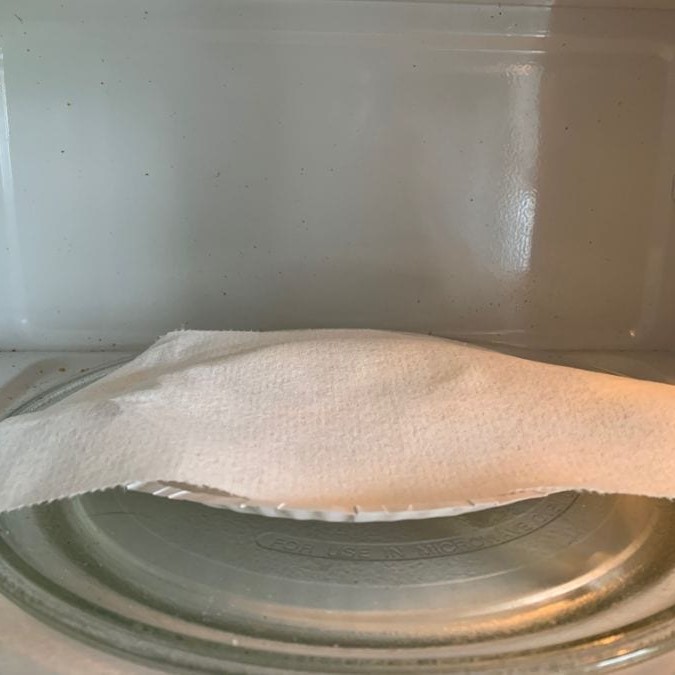
How you place the paper towel in the microwave matters. Lay it flat and unfolded. Folding or bunching paper towels increases the risk of overheating and ignition.
Make sure the paper towel doesn’t touch the microwave’s walls. This contact can increase the chance of burning. Additionally, avoid overheating by limiting the microwave time to short intervals. Check the paper towel frequently to ensure it doesn’t overheat or dry out completely.
If covering food, use a damp paper towel. Damp towels heat slower and reduce fire risks. Make sure the food and cover are both positioned to allow heat to circulate evenly. This prevents uneven heating and potential hazards.
Benefits of Microwaving Paper Towels
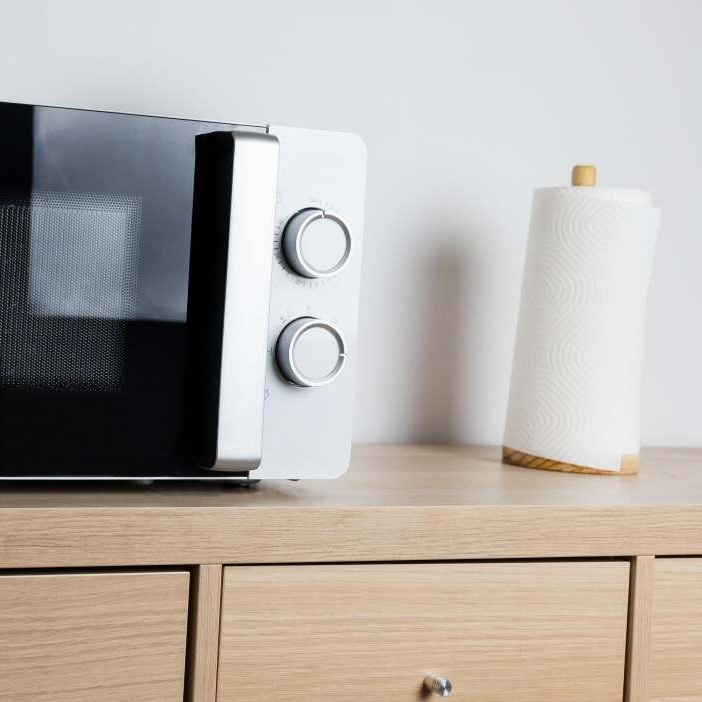
Microwaving paper towels can offer practical advantages. When done safely, it serves specific purposes in the kitchen.
Keeping Food Moist During Heating
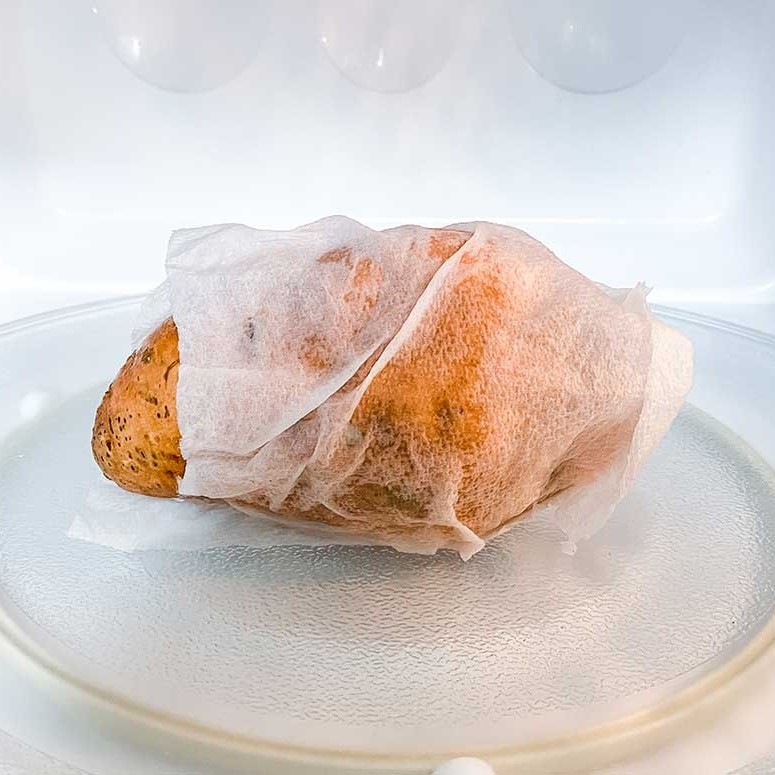
Using a damp paper towel while reheating food can help retain moisture. This method works well for dishes prone to drying out in the microwave, like rice, bread, or meats. A damp paper towel traps steam, keeping food tender and flavorful. Place the towel loosely over the food to ensure even heat distribution. This process prevents the food from becoming too dry or chewy. Additionally, it’s a simple and cost-effective way to enhance microwave results.
Cleaning and Steam Applications
Paper towels can also aid in cleaning your microwave. To loosen grime, soak a paper towel and microwave it for 1-2 minutes. The steam from the heated water softens stubborn stains inside the microwave. Afterward, use the paper towel to wipe the interior. This method reduces the need for harsh cleaning chemicals. Furthermore, it’s a quick and eco-friendly way to maintain a clean microwave. Always ensure the paper towel is labeled as microwave-safe to avoid any risks.
Risks of Microwaving Paper Towels
Microwaving paper towels is not without risks. Understanding these risks helps ensure safer usage. Two major concerns are fire hazards and chemical releases.
Fire Hazards and Combustion Concerns
Paper towels can catch fire in a microwave under certain conditions. Dry towels burn faster than damp ones. If folded tightly, heat builds up quickly, increasing fire risks. When exposed to prolonged heat, the paper towel may ignite. Contact with the microwave’s walls or heating elements also raises combustion possibilities.
Always monitor the microwave when heating paper towels. Avoid leaving the microwave unattended. Check the paper towel regularly to prevent overheating. Using damp paper towels minimizes the risk, as moisture slows down the heating process.
Chemical Release and Health Safety
Using paper towels in the microwave comes with certain risks, particularly concerning chemical release and health safety. Understanding these factors is crucial to make informed choices in the kitchen. Here are the key considerations regarding the use of paper towels and their potential health implications:
Chemical Release at High Temperatures
One significant concern is that some paper towels may release harmful chemicals when exposed to high heat. This is particularly true for varieties that are printed or dyed. The inks and dyes used in these products can contain volatile organic compounds (VOCs) or other chemicals that may evaporate or break down under heat. As these materials degrade, they can transfer to your food, creating potential health risks for consumers. Ingesting these chemicals, especially over time, may lead to various health issues.
Risks Associated with Printed or Dyed Towels
Printed or dyed paper towels pose greater risks than their plain counterparts. The printing process can involve toxic substances, and when these towels are heated in the microwave, those substances may leach into the food. This is not limited to just occasional use; frequent exposure could raise concerns about long-term health effects. Therefore, it is advisable to opt for paper towels that are free of prints and dyes to reduce the risk of chemical contamination.
Dangers of Recycled Paper Towels
Recycled paper towels represent another financial and safety concern in the microwave. Although recycling helps reduce environmental waste, it may not be safe for microwave use. Recycled towels can contain small metal particles or pulp residues from various sources that may not be suitable for food preparation environments. When heated, these materials can spark, leading to potential fire hazards in the microwave. The unpredictable nature of these reactions makes recycled paper towels an unsuitable choice for microwaving.
Choosing the Right Paper Towels
To ensure both safety and food quality when using paper towels in the microwave, it is essential to choose wisely. Always stick to plain, white paper towels that are specifically labeled as microwave-safe. These products are designed to withstand high temperatures without releasing harmful substances. Moreover, they are less likely to be contaminated with dyes, ensuring a healthier cooking environment.
Importance of Microwave Safety Labels
Before using any paper towels in the microwave, always verify their suitability by checking the packaging. Many reputable brands will clearly state if their products are safe for microwave use. Look for terms like “microwave safe” or specific warning labels about heat exposure. This small step in the purchasing process can significantly enhance safety during reheating and cooking, allowing you to enjoy your food without additional health concerns.
Alternatives to Paper Towels in the Microwave
Using alternatives can minimize risks when heating food.
Microwave-Safe Covers and Wraps
Microwave-safe covers and wraps are handy alternatives to paper towels. They are specifically designed for use in microwaves, ensuring durability and safety. Plastic microwave covers protect food from splatters while allowing heat circulation. Silicone lids are reusable and eco-friendly options, offering a tight seal to trap moisture.
Using wax paper or parchment paper is another choice. These are heat-resistant and can cover food effectively. They don’t catch fire easily and don’t release harmful chemicals.
Opting for these materials also reduces the need for disposable paper towels. It’s a simple way to improve microwave cooking safety while lowering waste.
Reusable Cloth Options
Reusable cloths, like microwave-safe cotton covers, are eco-friendly alternatives. They absorb excess moisture, helping to retain food texture.
Using fabric such as linen or muslin is also suitable. These are non-reactive and heat-resistant. Ensure the cloth doesn’t have metal or synthetic fibers, as these can spark.
Reusable microwavable pouches are another option. They are specifically designed for food heating tasks and usually come with microwave-safe certification. These help avoid single-use waste and lower environmental impact. Make sure these items are cleaned after each use and stored properly.
Frequently Asked Questions
Can All Brands of Paper Towels Be Used?
Not all brands of paper towels are safe for microwaving. Stick to paper towels labeled as microwave-safe. These are typically plain, white towels without dyes or prints. Avoid using recycled paper towels as they may contain residues or small metal particles. Printed or colored paper towels can release chemicals when heated, which could contaminate food. Always read the product label for safety instructions before use. Choosing the right paper towel helps ensure safe and effective microwaving.
How Long Is It Safe to Microwave Paper Towels?
It is generally safe to heat paper towels for short intervals. Keep the time under two minutes to avoid overheating. Prolonged heating increases the risk of ignition, especially for dry paper towels. If using a damp paper towel, monitor it closely as well. Always check on the paper towel at short intervals to prevent accidents. Avoid leaving the microwave unattended while in use. These practices reduce risks and help enhance the safety of microwaving paper towels.
Final Thoughts on Microwaving Paper Towels
Microwaving paper towels can be safe when carefully done. Understanding risks and following guidelines is crucial.
When Is It Safe?
It is safe to microwave plain, white paper towels without prints or dyes. Make sure they are labeled as microwave-safe. Opt for damp paper towels to reduce fire risks. Avoid prolonged heating to prevent ignition. Monitor the microwave while heating paper towels to ensure safety.
Best Practices for Safe Usage
Follow these practices to use paper towels safely in the microwave:
- Use plain, white, microwave-safe towels to avoid chemical risks.
- Lay paper towels flat, avoiding folds or tight bunching.
- Limit heating to short intervals and check frequently.
- Use damp towels to keep food moist and prevent burning.
- Avoid recycled towels containing residues or metal particles.
Can you put a paper towel in the microwave? Adhering to these best practices ensures safer and effective microwave usage with paper towels.