




Introduction: The Impact of Wall Art in the Living Room
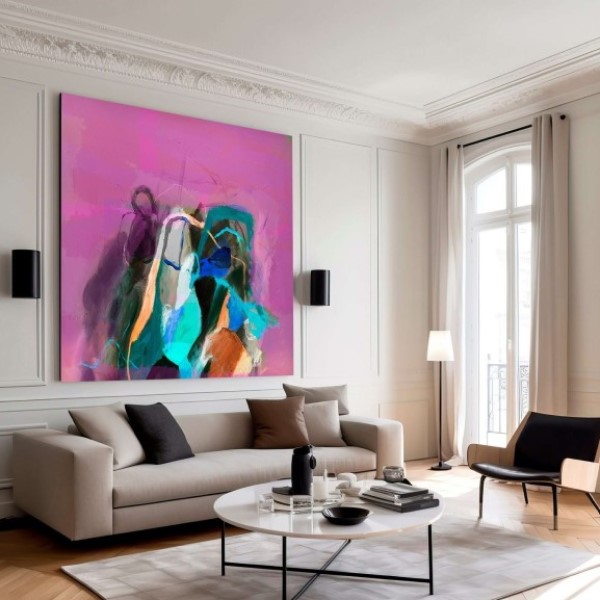
In the world of interior design, wall art serves as a powerful medium for expressing personal style. Large wall art for living room spaces can significantly transform the atmosphere and aesthetic of a home. It acts as a focal point, tying together various design elements and colors in the room. However, the challenge lies in choosing the right piece that not only complements your décor but also resonates with your personality. This comprehensive guide will help you navigate through the myriad options available, ensuring you select the ideal large wall art for your living space.
Understanding the Importance of Wall Art
1. The Role of Wall Art in Interior Design
Wall art plays a crucial role in enhancing the overall look and feel of a living room. Here’s why it matters:
- Visual Interest: A striking piece of art captures attention and draws the eye, immediately elevating the décor of the space. It adds depth and character to bare walls, preventing them from appearing dull or overly simplistic.
- Personal Expression: Art allows homeowners to express their tastes and preferences. Large wall art can communicate a sense of culture, experience, or emotion, creating an inviting atmosphere.
- Setting the Mood: Different styles, colors, and themes in wall art can evoke specific feelings. For instance, abstract art may create an energetic vibe, while serene landscapes can promote relaxation.
2. Why Size Matters
When choosing wall art, size is a critical factor, particularly for living rooms. Here’s how large wall art can influence your space:
- Creating Focal Points: Large artwork can serve as a visual anchor in the room. This establishes balance and draws attention to certain areas, making it an essential element in living room design.
- Proportional Aesthetics: Ensure that the size of the wall art is proportional to the wall itself. A vast wall with small art may feel imbalanced, while oversized art can overwhelm a small space.
Types of Large Wall Art for Living Rooms
1. Abstract Art
Abstract art is characterized by its use of colors, shapes, and forms rather than representational figures. It can add energy and modernity to your space:
- Versatility: Abstract designs can fit various styles, from contemporary to minimalist. This versatility makes it easy to find a piece that complements your existing décor.
- Creative Expression: The subjective nature of abstract art allows viewers to interpret it in their way, sparking conversations and adding an interactive element to your room.
2. Nature-Inspired Art
Nature-inspired art often features elements from the outdoors, such as landscapes, floral designs, or wildlife scenes. These artworks bring a refreshing touch to living rooms:
- Tranquility Indoors: Depictions of serene landscapes or botanical themes create a calming atmosphere. This is especially appealing for urban dwellers seeking a connection to nature.
- Color Harmony: Nature-inspired art often utilizes earthy tones that can easily blend with other décor elements, enhancing the overall aesthetic without overwhelming the space.
3. Contemporary Art
Contemporary art reflects current trends and societal issues. It often utilizes unique materials and innovative designs:
Bold Statements
- Creating Strong Impressions: Large contemporary pieces are designed to stand out in any space. Their size, color, and unique designs can capture attention immediately, ensuring that they become focal points in the room.
- Impacts on Room Dynamics: A bold piece can profoundly impact the overall atmosphere of the living space. It can introduce energy, drama, or tranquility, depending on the colors and themes depicted.
- Conversation Starters: Large contemporary artworks often challenge viewers’ perceptions and provoke thought. They can tackle modern themes such as identity, technology, and social issues, prompting discussions among guests and family.
- Emotional Engagement: These pieces not only attract eyes but also evoke emotions and reactions. Viewers may find themselves intrigued, fascinated, or even challenged by the messages conveyed through bold contemporary art.
- Personal Expression: Choosing powerful art pieces allows individuals to express their personal values, beliefs, and interests. They reflect the owner’s taste and can offer insight into their personality.
Diverse Mediums
- Variety of Artistic Forms: Contemporary art is not confined to traditional painting; it embraces a vast array of mediums. This inclusivity allows artists to experiment and innovate, resulting in unique creations.
- Mixed Media: Many contemporary artists utilize mixed media, combining various materials—such as paint, fabric, metal, and found objects—to create textured and layered artworks. This approach adds depth and complexity, making each piece unique.
- Photography: Photographic art has gained prominence in contemporary settings, offering striking visuals that can capture moments in time. Large photographic prints can serve as powerful statements, telling compelling stories through imagery.
- Digital Prints: With advancements in technology, digital prints have emerged as a popular medium in contemporary art. Artists can create vivid and intricate designs that can be reproduced in large formats, making them accessible for various environments.
- Flexibility in Design: The diverse range of mediums available allows homeowners to select art that complements and enhances their overall design scheme. Whether it’s a bright, mixed-media piece or a sleek digital print, there are options to suit every style and preference.
- Cohesion with Home Decor: By incorporating a variety of artistic forms, homeowners can match their artwork to the tone and ambiance of their space. This ensures that each piece integrates seamlessly into the overall design aesthetic, creating a harmonious environment.
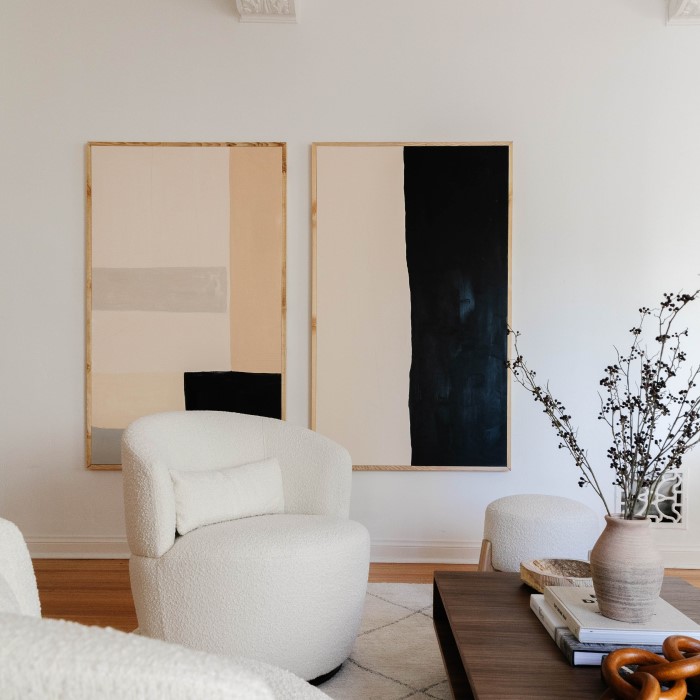
Factors to Consider When Choosing Large Wall Art
1. Color Palette
The colors in your large wall art for living room should harmonize with the existing color scheme of your living room:
- Choosing Complementary Colors: Consider selecting colors that complement or contrast with your room’s palette. This enhances the visual dynamics of the space and enriches the overall design.
- Neutral vs. Bold: Depending on your style, you may opt for bold colors to create a statement or subtle tones for a more understated look.
2. Subject Matter
Think about the themes and subjects depicted in the art:
- Personal Preferences: Choose subjects that resonate with you personally. Whether it’s landscapes, portraits, or abstract forms, the art should reflect your taste and identity.
- Mood and Feelings: Select pieces that evoke emotions aligned with the atmosphere you want to create in your living room. For example, vibrant pieces might energize, while softer images can bring calmness.
3. Frame and Style
The frame and style of the art piece are equally important:
- Frame Complementation: The type of frame you choose can significantly influence the artwork’s presentation. Frames should match or complement the decor style for a cohesive look.
- Harmonizing with Room Elements: Consider how the art and frame will integrate with existing furniture and accessories. Aim for harmony to achieve a balanced aesthetic.
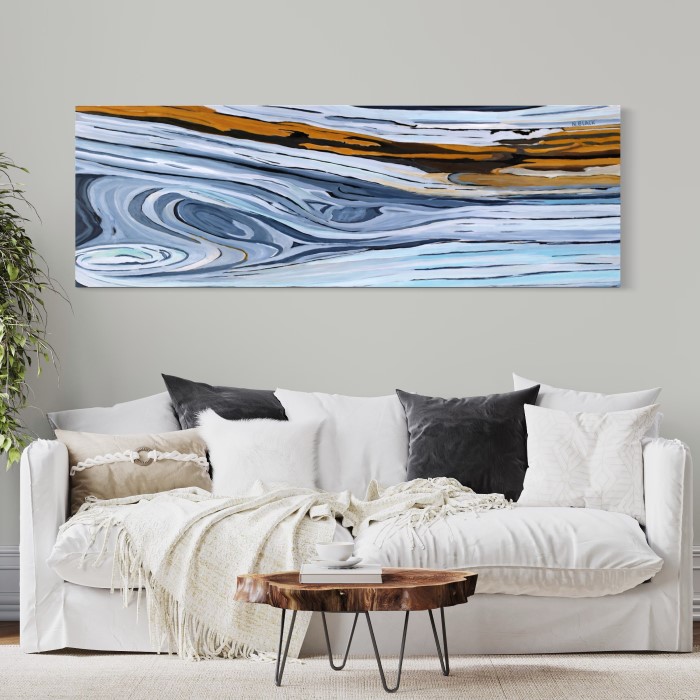
Practical Tips for Hanging Large Wall Art
1. Placement Considerations
Think about where you want to display your large wall art:
- Eye-Level Display: Generally, artwork should be hung at eye level to allow easy viewing. This height varies based on the average height of the room’s occupants.
- Balancing Other Elements: Ensure that the artwork does not clash with other design elements, such as furniture pieces or light fixtures. A well-placed piece enhances the room’s overall layout.
2. The “2/3 Rule” for Wall Art
The “2/3 rule” refers to a guideline for hanging art:
- Understanding the Rule: This rule suggests that the center of the artwork should be positioned approximately two-thirds of the way up the wall. This creates a balanced visual relationship with the rest of the room.
- Combining Pieces: If you’re using multiple pieces, consider arranging them in a cohesive manner that adheres to this guideline, ensuring visual harmony throughout the space.
3. Secure Installation
For safety and aesthetics, ensuring your large wall art is securely mounted is crucial:
- Using Appropriate Anchors: For heavier pieces, ensure you use appropriate wall anchors that can support their weight. Wall types such as drywall or masonry may require different hardware.
- Regular Checks: Periodically check the stability of the installation to prevent accidents. A secure piece not only looks good but also provides peace of mind.
FAQs About Choosing Large Wall Art for Living Room
How do I choose a large wall art for my living room?
Consider the overall style, color palette, and atmosphere you want to create. Choose pieces that resonate personally, ensuring they complement your existing décor while adding visual interest.
What to hang on a large wall in a living room?
You can hang large paintings, framed prints, or even oversized mirrors. Consider creating a gallery wall with a mix of art pieces, photographs, and other personal items for an engaging display.
Does large wall art make a room look bigger?
While large wall art itself does not physically increase space, well-placed large pieces can create an illusion of depth and openness. Choosing lighter colors and adding mirrors can enhance this effect.
What is the 2/3 rule for wall art?
The 2/3 rule suggests that the center of your artwork should be placed approximately two-thirds of the way up the wall. This height creates balance and makes the piece more visually appealing.
Conclusion: Making the Right Choice for Your Living Room
In conclusion, selecting large wall art for living room involves careful consideration of style, color, and placement. By understanding the various types of art available and how they can enhance your space, you can make informed choices that reflect your personality.
Whether you lean towards abstract, nature-inspired, or contemporary styles, the right piece can create a powerful focal point that ties your living room together. Keep in mind the tips provided, including the “2/3 rule” for hanging and the importance of a secure installation. With thoughtful choices, you can create a living room that is both beautiful and uniquely yours, filled with art that inspires and engages. As you embark on this exciting decorating journey, enjoy the process of selecting pieces that resonate with you and your lifestyle!