




Introduction
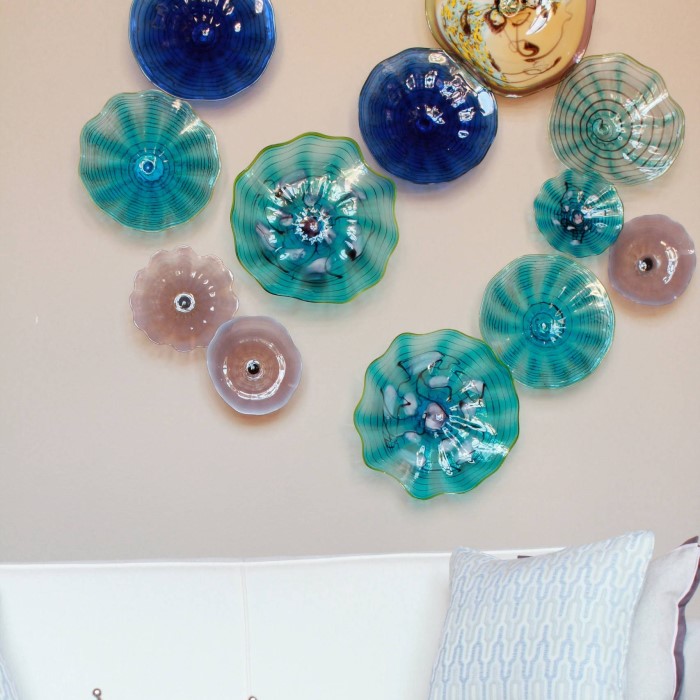
Glass wall art is quickly becoming a favorite choice in contemporary home decor. It not only adds beauty to a space but also serves as a unique way to introduce light and color into different areas. Artists can create intricate designs that reflect light beautifully, making glass wall art much more than mere decoration; it becomes a central focal point in any room it adorns. In this article, we will explore various inspirations for glass wall art, discuss its benefits, and answer some common questions surrounding this artistic medium to ensure you have all the information you need before making a purchase.
Why Choose Glass Wall Art?
When selecting wall decor, glass wall art stands out for multiple reasons. Firstly, it is highly versatile and can fit seamlessly into various design styles ranging from modern and minimalist to rustic and traditional. The transparent nature of glass makes it adaptable, allowing it to blend with different colors, textures, and lighting conditions. This versatility means homeowners can choose pieces that suit both their existing decor and their personal aesthetics.
Furthermore, glass wall art reflects light in a way that can add depth and brilliance to any living space. This unique characteristic can create different moods depending on the time of day or the light source. For example, a piece hung in a well-lit room can cast colorful reflections, while the same piece in dim light can take on a more subdued elegance.
In addition, glass wall art can be customized to reflect personal tastes, making it an even more attractive option. Whether you prefer vibrant colors or more subdued tones, abstract designs or nature-inspired themes, the options are virtually endless. Choosing glass wall art transforms a dull wall into an eye-catching feature that resonates with your personal style.
The Many Styles
Diversity of Styles
Broad Range of Options: Glass wall art encompasses a wide variety of styles, allowing homeowners to express their personal taste and aesthetic preferences effectively.
Complementing Home Decor: With different designs available, individuals can choose pieces that harmonize with their existing decor and overall vision for the space.
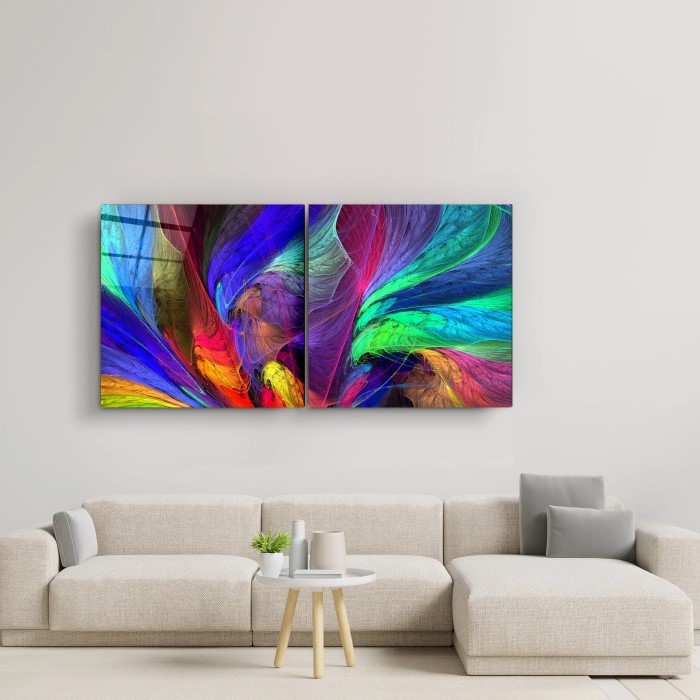
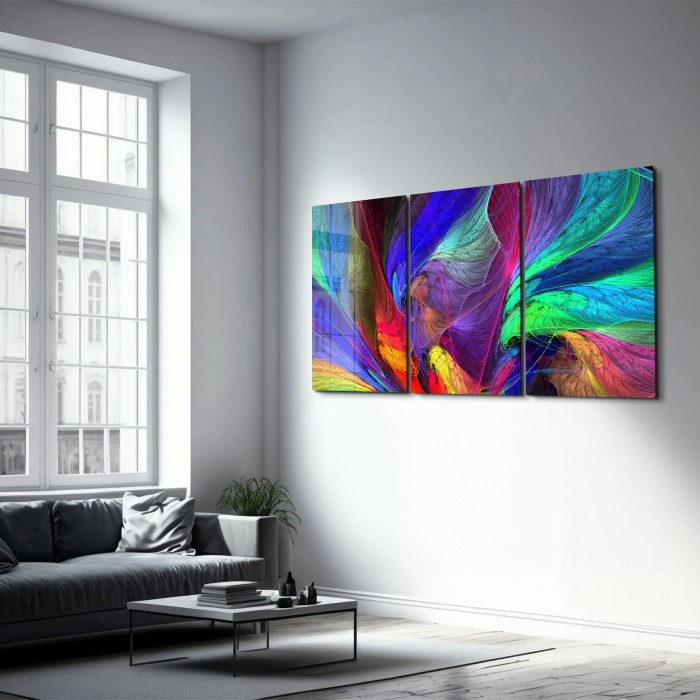
Abstract
Vibrant Colors and Shapes: One popular trend in wall art is its abstract design, often characterized by bold colors and imaginative shapes that catch the eye.
Making a Statement: Abstract pieces can act as focal points in a room, drawing attention and sparking conversations. Their striking appearance adds depth and dynamism to the decor.
Encouraging Interpretation: The open-ended nature of abstract art invites viewers to interpret the work in their own ways. This interactive aspect creates a personal connection, allowing individuals to experience the art meaningfully.
Enhancing Surrounding Decor: Abstract glass pieces can complement other decorative elements within a room, enhancing the overall aesthetic by creating a unified theme.
Nature-Inspired
Connection to the Outdoors: Another significant trend is nature-inspired designs that often depict elements like plants, animals, and scenic landscapes.
Bringing Tranquility: These artworks evoke a sense of calm and serenity, promoting a peaceful atmosphere within the living space. This is particularly beneficial for those living in urban environments seeking to reconnect with nature.
Appeal to Nature Lovers: For individuals who cherish the beauty of the outdoors, nature-inspired wall art serves as a perfect way to incorporate that love into their home decor.
Facilitating Relaxation: By infusing a sense of greenery and natural beauty, these pieces can foster a more relaxed and soothing environment.
Custom-Made
Personalization Trend: Custom-made glass wall art is becoming increasingly popular as individuals seek one-of-a-kind pieces that reflect their preferences.
Collaboration with Artists: Many artists now offer services to collaborate with clients, allowing them to create unique artwork tailored to specific needs, tastes, and dimensions.
Seamless Integration: Custom pieces are designed to fit perfectly into designated spaces, ensuring they enhance the overall decor without feeling out of place.
Emotional Resonance: Personalization ensures that the art resonates more profoundly with the homeowner, making the piece feel meaningful and significant in their everyday life.
Other Notable Styles
Geometric Designs: Another style involves clean lines and geometric shapes that can offer a modern touch to any interior space.
Traditional and Cultural Motifs: Some glass wall art pieces draw inspiration from various cultures or historical motifs, providing richness and texture to the decor.
Mixed Media Art: Combining glass with other materials, such as wood or metal, can create striking pieces that add depth and interest to a wall.
Creating a Focal Point
Establishing a focal point is a fundamental concept in interior design, and wall art is particularly effective in this regard. To create an engaging focal point, the artwork should be larger than surrounding elements and ideally hung at eye level. For instance, a large glass panel featuring an intricate floral design can serve as the centerpiece of a living room, drawing attention and sparking conversation.
Proper placement of glass wall art is equally important. Consider hanging pieces above a fireplace, a console table, or a sofa for maximum visibility. Additionally, strategic lighting can enhance its beauty, highlighting colors, shapes, and textures. Wall-mounted spotlights or sconces can illuminate the artwork, casting beautiful shadows and making the colors pop, which adds a dimensional aspect to the overall decor.

Maintenance and Care
Low Maintenance Nature
General Care Requirements: Glass wall art is typically low-maintenance, offering a hassle-free and beautiful decorative option for homes. However, some basic care steps can help preserve its aesthetics and longevity.
Long-lasting Beauty: With proper attention, your glass wall art can maintain its original brilliance and charm, becoming a lasting feature in your decor.
Regular Dusting
Preventing Dirt Buildup: Regularly dusting your glass wall art is essential for preventing dirt and dust accumulation. Over time, buildup can dull the shine and vibrancy of the glass.
Frequency of Dusting: Aim to dust the pieces at least once a week, or more often if you live in a dusty environment. This reduces maintenance time in the long run and keeps the art looking fresh and new.
Cleaning Techniques
Using a Soft Cloth: When cleaning glass wall art, always use a soft, lint-free cloth. This prevents scratches and ensures that the delicate surface remains unharmed.
Mild Glass Cleaner: Opt for a mild glass cleaner specifically designed for delicate surfaces. This will remove fingerprints and smudges effectively without causing damage to the glass.
Avoid Abrasive Materials: Steer clear of abrasive materials, such as hard sponges or paper towels. These can scratch the surface of the glass, diminishing the artwork’s clarity and appeal.
Secure Display Setup
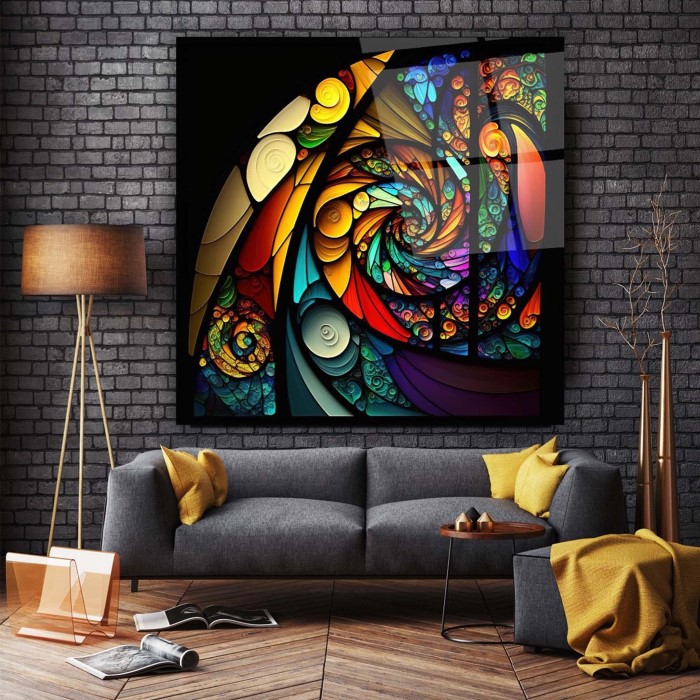
Importance of Secure Mounting: Properly securing your glass wall art is crucial to prevent accidents and ensure stability. Improperly hung pieces can fall and potentially break, causing injury or damage.
Evaluating Wall Type: Different wall types—such as plaster, drywall, or masonry—require specific mounting hardware. It’s important to choose the appropriate wall anchors based on the weight and material of the artwork.
Weight and Dimensions Consideration
Understanding Art Piece Specifications: Before installation, familiarize yourself with the weight and dimensions of your glass wall art. This knowledge helps determine the necessary support and anchoring needed for safe display.
Use of Heavy-Duty Anchors: For particularly heavy pieces, consider using heavy-duty wall anchors or brackets. These ensure that your artwork remains firmly in place, reducing the risk of it falling.
Safeguarding Against Environmental Factors
Avoid Direct Sunlight: Prolonged exposure to direct sunlight can cause certain types of glass art to fade or discolor over time. Consider placing artwork away from direct sunlight to preserve its color and brilliance.
Maintain Ideal Room Conditions: Environments that are excessively humid or dry can affect glass art. Keeping indoor humidity at a moderate level helps prevent potential damage.
Handling with Care
Careful Movement: When moving or handling glass wall art, ensure you protect it from bumps and drops. Always support the piece with both hands to prevent accidental breaks.
Get Help for Larger Pieces: For larger or heavier art pieces, seek assistance when installing or moving them. This adds an extra layer of safety and reduces the likelihood of accidents.
Long-Term Care Tips
Periodic Professional Cleaning: If your glass wall art features intricate designs or heavy embellishments, consider having it professionally cleaned every few years to maintain its beauty.
Inspect for Damage Regularly: Take the time to inspect your glass wall art regularly for any signs of chips, cracks, or looseness in mounting. Addressing these issues promptly helps prevent more significant damages later.
Frequently Asked Questions
- What is the 2/3 rule for wall art?
The 2/3 rule suggests that artwork should occupy about two-thirds of the wall space above furniture such as sofas or beds. This positioning creates a balanced visual weight and makes the piece feel more cohesive and intentional in the overall design.
- How is glass wall art made?
Glass wall art is typically produced using techniques like blowing, casting, fusing, and etching. Artists manipulate glass at high temperatures to shape it into desired forms, often layering different colors for depth and texture. The process requires both skill and creativity, making each piece unique.
- What are the cons of glass walls?
Some drawbacks of glass walls can include reduced privacy, potential safety hazards if not properly maintained, and higher energy costs due to heat transfer. For interiors, glass walls can create open, airy spaces, but treatments like frosted glass or curtains can help mitigate privacy concerns.
- What is making glass art called?
The process of creating glass art is commonly referred to as glassblowing or glass fusing, depending on the technique employed. Each method requires specialized skills and tools, making glass art a distinctive form of artistic expression.
Conclusion
Glass wall art is an outstanding choice for anyone looking to enrich their interior spaces. It encourages creativity and allows for self-expression while significantly enhancing visual appeal. With a plethora of styles and designs available, glass wall art is adaptable to any decor theme, offering an opportunity to personalize your environment.
Considering the insights provided in this article, you can now confidently incorporate glass wall art into your home. Whether you opt for a stunning abstract piece or a serene nature-inspired design, glass wall art will undoubtedly serve as a captivating focal point. Explore the endless possibilities, create your focal points, and elevate your living environment today!
In summary, glass wall art not only beautifies walls but also enhances the ambiance and character of any space, making it a must-have for contemporary home decor. If you’re ready to transform your living area, consider investing in high-quality glass wall art that resonates with your personal style.