




What is Textured Wall Art?
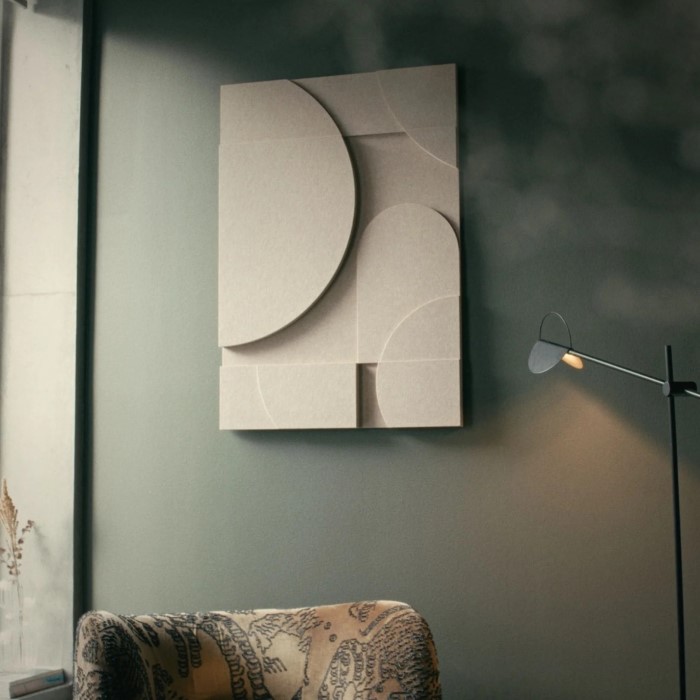
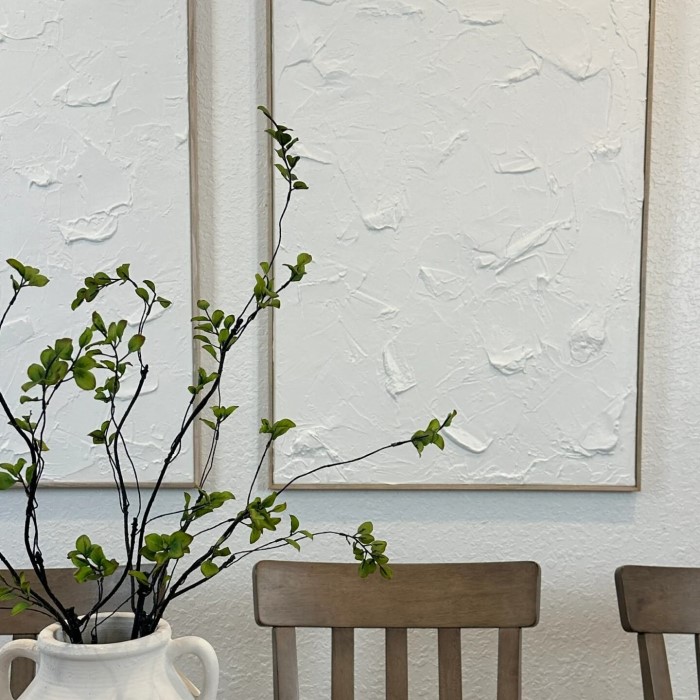
Textured wall art is an art form that adds dimension and depth to walls. Instead of flat designs, textured art uses materials and techniques to create raised or tactile surfaces. This style makes walls more engaging and visually striking. It’s a creative way to add personality to a space while playing with light and shadow.

Defining Textured Wall Art
Textured wall art refers to artworks with three-dimensional elements. These elements can include patterns, shapes, or raised surfaces you can touch. Unlike traditional flat paintings, textured art brings a physical dimension. It adds a sensory experience and more character to spaces. This art style goes beyond being just decorative—it creates a statement in any room.
Materials Used in Textured Wall Art
Artists use diverse materials to create textured wall art. Common materials include plaster, wood, and fabric. Canvas is often layered with paint or mixed media to build texture. Other interesting options include metal, ceramic, and recycled items. Some pieces even incorporate natural elements like stone or bark. These options allow endless possibilities for unique designs. Choosing the right material depends on the desired look and feel of the art.
Benefits of Adding Textured Wall Art to Your Space
Textured wall art offers more than just decoration. It brings new life to spaces and enhances their visual appeal. Incorporating textured art can transform any room’s ambiance and add depth to your walls.
Creating Depth and Visual Interest
Textured wall art creates layers that draw the eye. The raised surfaces make walls feel dynamic and alive. Shadow and light interact beautifully with textures, adding dimension to your space. These features help break up flat designs and introduce unique visual interest.
Enhancing Room Aesthetics
Textured wall art instantly elevates a room’s overall look. It serves as a focal point, making spaces more stylish and engaging. Incorporating these pieces enhances aesthetics without overwhelming other decorative elements. Whether modern or rustic, textured art complements various styles effortlessly.
Adding a Touch of Luxury
Textured wall art creates a refined and sophisticated atmosphere. Materials like metal, fabric, or plaster often add richness to the design. Textures bring complexity, giving art a premium feel. This luxurious touch makes rooms appear polished and thoughtfully curated.
Popular Types
Textured wall art comes in various styles to match different preferences. From modern abstract pieces to intricate geometric designs, the options are limitless. Here are popular categories to explore for enhancing your space:
Abstract Textured Designs
Abstract textured wall art offers freedom of interpretation. These pieces often feature irregular patterns, shapes, and layers. Artists use creative strokes and materials to achieve unique effects. Abstract designs work well in contemporary spaces, adding a bold and artistic flair. They stimulate curiosity and make rooms feel dynamic and expressive.
Geometric Patterns
Geometric textured wall art focuses on symmetry and precision. These designs feature repeated shapes like triangles, squares, or hexagons. Artists mix textures and colors to create visually appealing contrasts. Geometric art pairs well with modern or minimalist decor styles. These designs bring structure and order to any room.
Organic and Natural Styles
Organic textured wall art draws inspiration from nature. It uses elements like stone, wood, or leaves for a natural look. Curves and flowing patterns mimic the shapes found in the environment. These pieces bring warmth and harmony to spaces. Organic designs work beautifully in rustic settings or areas meant to feel tranquil and grounded.
3D Sculptural Wall Art
3D sculptural textured wall art takes visual depth to another level. These designs feature raised surfaces and intricate structures. Artists often use materials like metal, plaster, or acrylic to build layers. The three-dimensional aspect makes these pieces stand out. 3D sculptural art is perfect for creating a bold focal point in modern or industrial spaces.
Choosing the Right Textured Wall Art for Your Space
Selecting textured wall art involves thoughtful consideration to ensure it complements your space perfectly. The right choice enhances your room’s aesthetic while reflecting your personal style. Here are essential factors to guide your decision-making process.
Matching Art with Room Themes
Choose art that aligns with your room’s theme. A contemporary room pairs well with abstract textured designs. Rustic spaces benefit from organic and natural textures, like wood or stone. Geometric patterns work beautifully in minimalist or modern setups. Matching art style to the room’s theme creates a cohesive look that speaks to your design vision.
Considering Size and Scale
Size matters when selecting textured wall art. Large pieces work as standout focal points in spacious rooms. Small to medium-sized pieces fit better on narrow walls or in compact areas. Consider grouping smaller artworks in galleries to create impact. Always measure your wall space before purchasing to ensure proper scaling.
Choosing the Right Color Palette
Pick a color palette that complements your room’s existing tones. Neutral-colored textured wall art blends seamlessly into most spaces. For bold aesthetics, choose pieces with vibrant hues that pop against the walls. Monochrome designs are ideal for creating understated elegance. Ensure the colors in the artwork enhance and not clash with your decor.
By carefully considering these factors, you can select textured wall art that truly elevates your space.
How to Decorate
Decorating with textured wall art adds charm and personality to any room. Proper placement, pairing with existing decor, and effective lighting can transform your space. Follow these tips to create a stunning visual experience.
Placement Tips for Maximum Impact
- Choose a Focal Wall: Select a prominent wall to showcase your textured wall art. Living rooms, dining areas, or above a fireplace are great choices.
- Mind the Height: Hang the art at eye level for better visibility. For gallery walls, arrange pieces dynamically.
- Balance the Space: Avoid overcrowding. Ensure there is ample negative space around the artwork.
- Layer with Other Elements: Mix textured wall art with mirrors, shelves, or plants for added dimension.
Pairing with Other Decor Elements
- Coordinate with Furniture: Match the artwork’s color or style with furniture for a unified look.
- Combine Textures: Blend soft materials like cushions or rugs with the ruggedness of textured art.
- Use Complementary Colors: Balance bold-colored art with neutral decor to avoid overwhelming the space.
- Decorate in Odd Numbers: Odd groupings of textured pieces create visual harmony in the room.

Lighting Tricks for Highlighting Texture
- Spotlight the Art: Use track or accent lighting to emphasize raised details and depth.
- Play with Shadows: Angle the lights for shadows that highlight the artwork’s texture.
- Choose Warm Bulbs: Warm lighting enhances color vibrancy and creates a cozy atmosphere.
- Layer Lighting: Combine overhead, wall, and floor lighting to add drama to the artwork.
By focusing on placement, decor pairing, and lighting, textured wall art can truly transform your room into an artistic masterpiece.
DIY Ideas
Creating your own textured wall art can be a fun and fulfilling project. It lets you express your creativity while personalizing your space. With a range of techniques and affordable ideas, you can design stunning pieces that stand out.
Techniques for Creating DIY Textures
Layered Paint Techniques
Utilize thick layers of paint to develop a three-dimensional effect on your artwork.
Experiment with a palette knife to manipulate the paint, allowing for bold strokes and unique textures.
Consider layering different colors for added depth and vibrancy, creating dynamic contrasts that catch the eye.
Play with the thickness of the paint: using varying layers can influence the overall appearance and tactile quality of the piece.
Plaster or Joint Compound Applications
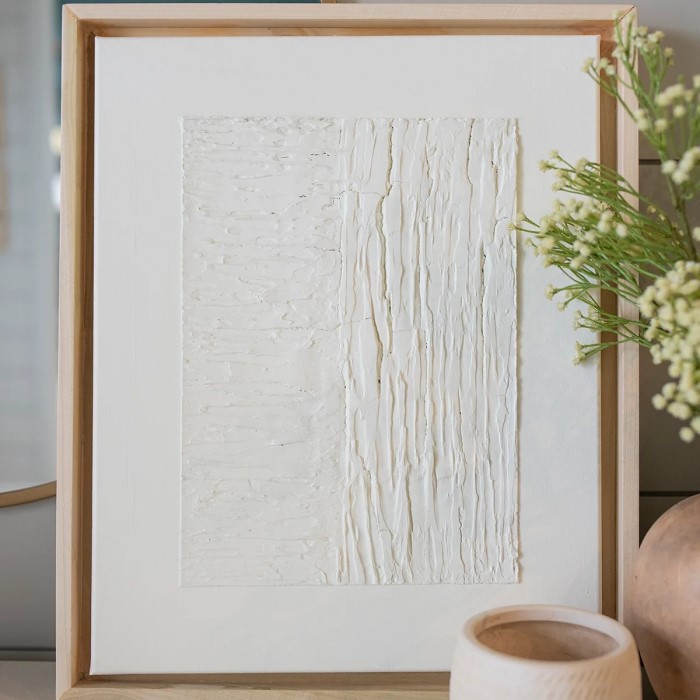
Begin by applying plaster or joint compound onto a canvas to create a textured base.
Before the material dries, carve intricate patterns or designs into the surface using various tools.
Consider using different carving techniques to achieve varied looks, such as swirling or geometric patterns.
Once the plaster dries, you can paint over it to highlight and enhance the textures, adding visual interest.
Stencil Techniques
Incorporate stencils into your wall art to introduce depth and complexity.
Choose intricate designs that will complement the overall theme of your artwork, allowing for detailed depictions.
Secure the stencil properly on the canvas or surface to minimize bleeding or spillage of paint.
Experiment with multiple layers of stenciling in different colors to build rich, textured effects.

Mixed Media Exploration
Embrace mixed media by integrating various materials such as fabrics, paper, or metal into your artwork.
Combining these elements creates a unique, textured appearance that adds interest and complexity.
Use adhesive techniques to attach fabrics or papers securely to your canvas, allowing for innovative function and design elements.
Explore the visual contrasts created by mixing different textures and materials, enhancing the overall aesthetics.
Incorporating Natural Materials
Use twigs, stones, leaves, or other organic materials to infuse your artwork with natural elements.
These materials can create earthy designs that connect with nature and add a rustic touch to your piece.
Arrange natural materials in patterns or clusters, experimenting with placement for optimal visual appeal.
Consider using biodegradable and eco-friendly items to maintain an environmentally conscious art practice.
Spray and Splatter Effects
Use spray paint as an effective tool for achieving abstract textures and a sense of movement within your artwork.
Embrace splattering techniques to create spontaneous patterns; this can establish a playful, energetic vibe.
Vary your distance from the canvas when splattering to achieve different levels of intensity and spread.
Pair spray paint with other techniques for a complex layered look and a fusion of styles.
Textile Impressions
Press fabric or lace into wet paint or plaster to leave intricate impressions that will serve as a striking design element.
Choose textiles with interesting patterns to create unique textures on your canvas.
Carefully lift the fabric away to reveal the impression, allowing for beautiful patterns that add depth to your artwork.
Experiment with different fabric types and textures, including cotton, silk, and burlap, for varying effects.
Suggestions for Affordable Projects
- Recycle Materials: Use old cardboard, wood scraps, or leftover paint for your art pieces.
- DIY Canvas: Stretch fabric over a wooden frame instead of buying a canvas.
- Use Household Tools: Kitchen spatulas or combs can create unique textured effects inexpensively.
- Create Monochrome Art: Use one color for a textured piece that’s minimalist and cost-effective.
- Budget Paints: Acrylic paints are affordable and work well for textures.
- Thrift Store Finds: Revamp second-hand frames and materials into bold, textured art.
- Collaborate: Involve friends or family to combine resources and ideas for unique projects.
By applying these techniques and ideas, you can craft personalized textured wall art without breaking the bank.
Where to Buy Textured Wall Art
Finding textured wall art is easy with many options available. Each source offers unique benefits for every style and budget.
Online Art Marketplaces
Online marketplaces are a convenient way to explore textured wall art. Sites like Etsy, Amazon, and Wayfair offer extensive collections. You can filter options by size, material, and price. Many platforms also provide customer reviews to guide decisions. Buying art online saves time and provides access to global designs. Ensure you check shipping details and return policies before purchasing.
Local Artisan Stores
Local artisan stores sell handcrafted textured wall art. You can find exclusive designs created by local artists. Visiting these stores lets you interact directly with the creators. Supporting local artisans boosts your community and ensures high-quality craftsmanship. Look for galleries, craft fairs, or specialty decor shops in your area. These venues also offer custom work to match specific themes.
Custom-Made Options for Unique Designs
Custom art ensures you get the perfect piece for your room. Many artists and designers offer personalized textured wall art. You can specify materials, styles, colors, and size based on your needs. Custom work often creates one-of-a-kind designs that stand out. Reach out to local artists or search online for custom services. Custom art may cost more but delivers unmatched uniqueness and quality.
Conclusion: Embrace the Trend of Textured Wall Art
In conclusion, the allure of textured wall art goes beyond mere decoration; it is an artistic expression that enhances spaces with depth, character, and individuality. As trends evolve, various styles such as mixed media, 3D decor, and fabric hangings continue to captivate those seeking to personalize their environments. The benefits of incorporating textured art are numerous, including enhancing the aesthetic appeal, promoting engagement, and allowing personal expression.
By following the guidance provided in this article, such as evaluating your space and experimenting with DIY projects, you can successfully integrate textured wall art into your home. Embrace this trend and let your walls tell a story that resonates with who you are! With the right pieces, your space will become a canvas reflecting your creativity and taste, inviting admiration and inspiration from all who enter.