





Introduction
Wood wall art is a timeless way to enhance any space. It’s versatile and suits various interior styles. From rustic to modern, wood art adds warmth and character. People love it for its natural beauty and creative potential.

Wood wall art can be made in countless ways. Some pieces highlight the natural texture of wood. Others use paint, stains, or engravings to create unique designs. Patterns, shapes, and colors can all transform wood into eye-catching art.
This art form is perfect for those who love DIY projects. It lets you explore your creativity and craft one-of-a-kind pieces. It also makes a thoughtful gift for loved ones.
Whether for a cozy home or a chic office, wood wall art fits anywhere. You can adapt it to different sizes and styles, making it an ideal choice for personalization. The blend of art and nature in wood decor creates a calming yet stylish vibe.
Popular Wood Wall Art Styles
Wood wall art comes in many styles to match personal tastes or decor themes. Two popular styles stand out for their distinct charm and adaptability: rustic and reclaimed designs and modern minimalist concepts. These styles cater to different aesthetics but both showcase the beauty of wood as a material.
Rustic and Reclaimed Designs
Rustic designs bring a warm, countryside vibe to any space. They emphasize the natural imperfections and textures of wood. Reclaimed wood is often a popular choice for rustic art, as each piece has a unique history.
Patterns for this style include distressed finishes, weathered looks, or natural knots. Designs might feature barn wood, pallet wood, or driftwood. Shapes like stars, hearts, or abstract forms are common. This type of wall art pairs well with vintage furniture or farmhouse decor.
Rustic and reclaimed styles are perfect for adding character. They work best in casual or cozy spaces. You can create a DIY rustic piece by sanding and staining old wood for an authentic look.
Modern and Minimalist Concepts
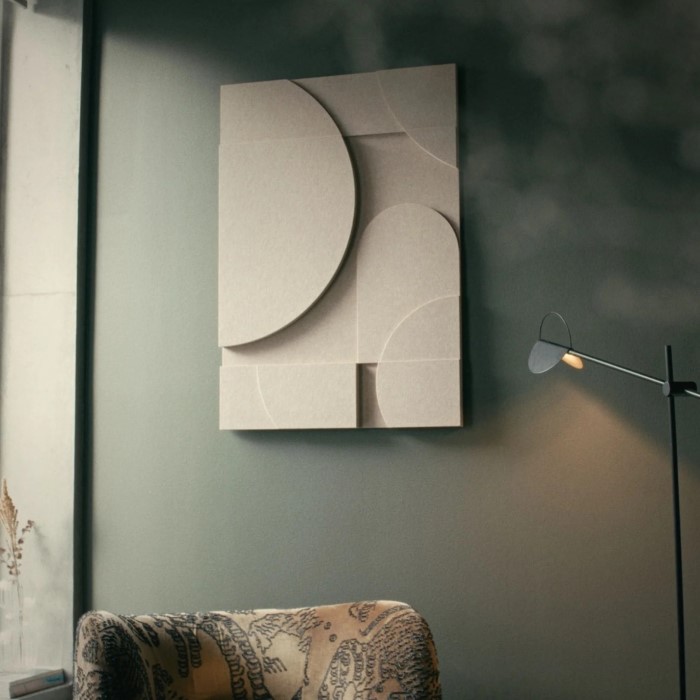
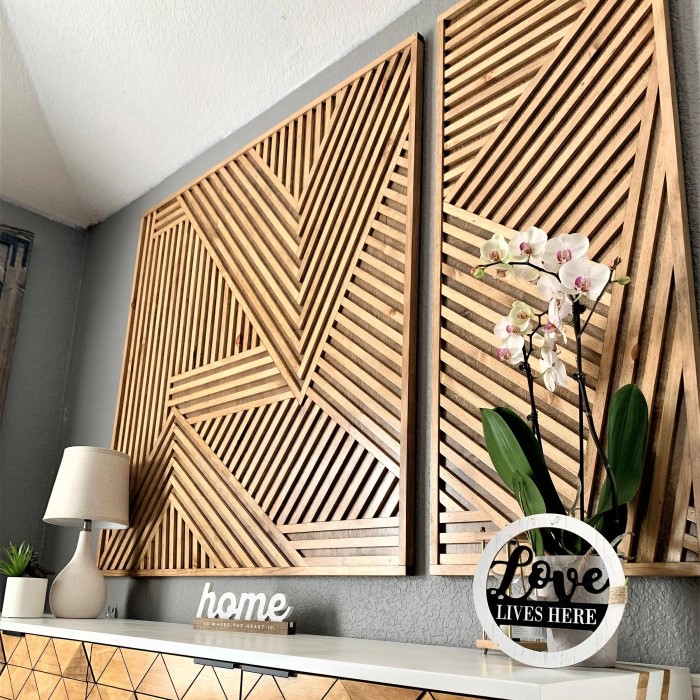
Modern designs prioritize clean lines and simplicity. Minimalist concepts focus on sleek textures and geometric shapes. Neutral shades and monochrome designs define this style. Modern wood wall art suits contemporary spaces and streamlined furniture.
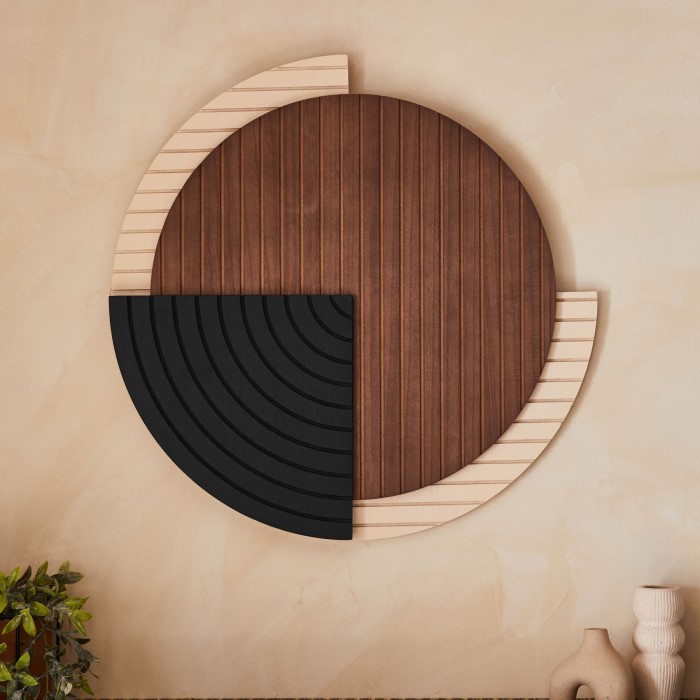
Pieces often blend wood with other materials like metal or glass. Engraved patterns or straight lines dominate these designs. Modern wood art may feature abstract designs or repetitive geometric shapes. Artists may also use contrasting wood tones to create a polished effect.
These styles work well in chic homes, stylish offices, or galleries. Opt for light-colored wood or polished surfaces to achieve a modern look. For an extra creative touch, consider using unique shapes or 3D structures.
DIY Projects
Creating wood wall art is a rewarding and fun experience. A DIY project lets you personalize every detail. You can craft something unique that perfectly matches your style and space. Whether you’re a beginner or an experienced DIYer, wood wall art offers endless possibilities.
Tools and Materials Needed
To get started, you’ll need a few basic tools and materials. Here’s a simple list:
Wood Pieces
- Types of Wood: Consider using reclaimed wood, which is both environmentally friendly and rich in character. Pallet wood is a popular choice for a rustic aesthetic, readily available and cost-effective. On the other hand, new wood allows for a clean slate and uniformity in design, giving you the flexibility to select the type and finish that best suits your project.
- Design Compatibility: The choice of wood should align with your overall design vision. Think about the colors, textures, and styles you want to achieve. Whether you’re aiming for a vintage look with weathered wood or a modern feel with fresh cuts, your wood selections will influence the final appearance of your art.
Measuring Tape
- Precision is Key: Use a measuring tape to carefully measure the space where you intend to display your wood wall art. Accurate measurements will help you determine how large or small each component of your artwork should be and ensure everything fits well within your chosen space.
- Layout Planning: Take the time to visualize and map out your design on paper. This will guide your measuring process, helping to ensure that each piece of wood is cut to the correct dimensions for the desired layout.
Saw
- Choosing the Right Saw: Depending on the thickness and type of wood, select a saw that is best suited for the task. A hand saw may work well for smaller pieces, while a power saw such as a circular or jigsaw will be efficient for larger cuts.
- Cutting Techniques: Measure twice and cut once to avoid waste. Make straight cuts for a polished look and practice your technique on scrap wood if necessary, ensuring that you’re comfortable with your cutting method before working on your final pieces.
Sandpaper
- Selecting Grit Levels: Use different grits of sandpaper to achieve the desired smoothness. Start with a coarser grit for rough cuts and then move to finer grits to finish the surface.
- Technique: Sand in the direction of the grain to avoid scratches. This will create a clean finish and prepare the wood for painting or staining, making the surface more receptive to finishes.
Paint or Stain
- Choosing Colors: Select colors or stains that complement your home decor and personal style. Test samples on a small piece of wood first to see how they look after drying.
- Enhancing Natural Tones: If you prefer to showcase the natural beauty of the wood, choose a clear sealant or a light stain that enhances the grain and texture without masking its inherent charm.
Brushes
- Brush Types: Utilize different brush sizes for various applications—larger brushes for broad areas, and smaller brushes for detailed work or touch-ups.
- Application Techniques: Apply paint, stain, or sealant in even strokes to achieve a professional finish. Multiple thin coats can often provide better coverage than one thick coat.
Wood Glue or Screws
- Choosing Fasteners: Decide between using wood glue for a seamless bond or screws for added strength and security. Sometimes, a combination of both provides the best support for heavier pieces.
- Assembly Method: Follow instructions carefully if using a specific design. Ensure proper drying time for glue before handling, and pre-drill holes for screws to avoid splitting the wood.
Protective Gear
- Safety First: Always wear gloves to protect your hands from splinters and chemicals, particularly when painting or staining. Safety goggles will shield your eyes from dust and debris while cutting or sanding.
- Avoiding Injuries: Keep your work area clean and organized to minimize accidents. Ensure you understand how to properly handle all tools before starting your project.
Optional Extras
- Personalizing Your Art: Consider adding stencils for interesting designs or patterns that elevate the overall look of your art.
- Engraving Techniques: If you have access to engravers, these can help create intricate designs or personalized messages on your wood pieces.
- Decorative Knobs and Hardware: Adding knobs or unique hardware can enhance the functionality and aesthetic appeal of your wood art. These details can serve not only decorative purposes but also functional ones, such as hangers or hooks for additional utility.
Having these items ready will make your DIY project smoother.
Step-by-Step Instructions for Beginners
Follow these steps to create your first wood wall art project:
- Plan your design: Sketch the layout or search for inspiration online.
- Select your wood: Pick pieces that match the style you’re aiming for.
- Cut and shape wood: Use a saw to adjust the size and create desired shapes.
- Sand the surfaces: Smooth the wood for a polished look and easy painting.
- Apply paint or stain: Use brushes for even coverage. Let it dry completely.
- Assemble the pieces: Use wood glue or screws to secure parts together.
- Add creative touches: Personalize with engravings, stencils, or accessories.
- Seal the art: Apply a protective coat to make it durable.
- Hang your art: Use nails or adhesive hooks to display your creation.
These steps make it easy to complete your project, even if you’re a beginner. Once finished, enjoy your handmade masterpiece and the satisfaction of creating something unique!
Customizing Wood Wall Art for Your Space
Customizing wood wall art adds personal charm to any room. Tailoring dimensions, colors, and finishes creates unique pieces that perfectly suit your space. By paying attention to details, you can make wood art truly reflect your style and personality.
Choosing the Right Dimensions and Colors
Selecting the right size is critical. Large pieces fit expansive walls, creating a bold statement. Smaller items enhance compact areas or serve as accents. Measure your wall space before deciding on measurements.
Colors also make a difference. Neutral tones blend easily with any decor, while vibrant hues pop. Match wood wall art colors with your furniture, curtains, or room palette. For rustic spaces, earthy shades like brown, beige, or green work best. For modern areas, opt for monochrome or metallic finishes.
Consider layering different-sized pieces or combining hues for added depth. This creates visual interest and harmony throughout your room. Ensure proportions and color schemes align with your overall design vision.
Personalizing with Paint, Stains, or Engravings
Adding finishes transforms basic wood into captivating art. Paint creates bold designs or whimsical patterns. Choose shades that complement your decor theme or accentuate specific elements. Stains enhance natural grain for a refined or rustic touch.
Engravings personalize wood wall art further. Use stencils or tools to etch names, quotes, or intricate shapes. Customized text or images can give special meaning to your art. Blending engravings with painted details makes for a unique look.
Experiment with layering techniques. For instance, paint a base coat and overlay engravings or stains. Add metallic accents for modern flair or decoupage patterns for a vintage vibe. Customization makes your wood wall art one-of-a-kind.
Incorporating Wall Art in Home Decor
Wood wall art can transform your home into a warm and inviting space. It blends creativity with natural charm. Here are ideas for placing wood wall art in various parts of your home.
Living Room Display Ideas
The living room is perfect for showcasing wood wall art. Hang a large statement piece above the sofa. Opt for geometric designs if your space is modern. For a rustic look, choose reclaimed wood with natural textures.
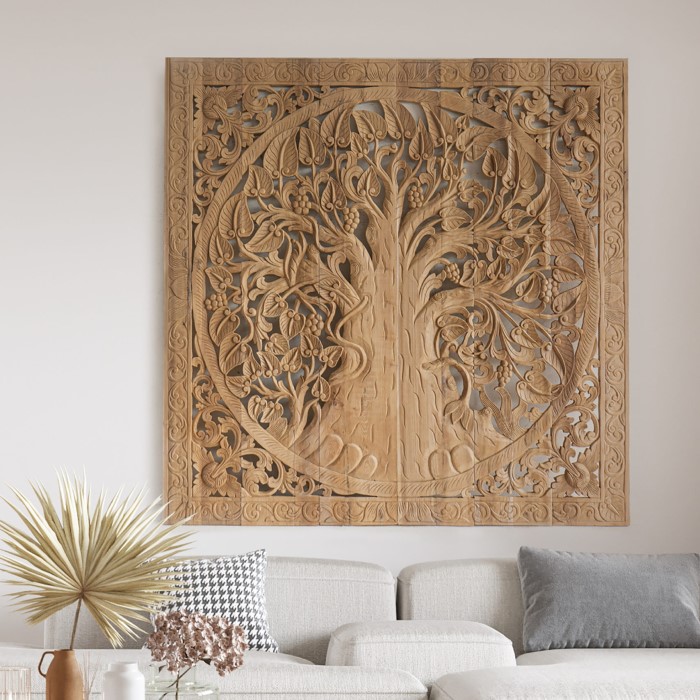
Create a gallery wall using multiple smaller wood art pieces. Mix different shapes and finishes for a dynamic layout. Complement the wood art with neutral or earthy decor items. To highlight the artwork, use soft lighting or spotlights.
Arrange wood wall art near fireplaces, windows, or shelving units. It adds warmth and catches the eye. If your living room has plants, pair them with wood art for a natural theme.
Bedroom Accent Walls
Wood wall art adds serenity to bedrooms. Choose soft, calming designs for a restful atmosphere. Mount a horizontal wood piece above the bed for balance and style. Engraved quotes or patterns work well too.
For more drama, create an accent wall. Cover part of the wall with large wood panels or abstract wooden designs. Pick lighter tones for smaller rooms or darker finishes for a cozy effect.
Mix wood art with textiles, such as blankets or cushions, for added texture. Consider using soft lighting near your artwork to create a soothing glow.
Office and Workspace Enhancements
Add focus and personality to your office or workspace with wood wall art. Geometric shapes or symmetrical patterns create a professional, modern vibe. Use small, elegant wooden pieces to avoid overcrowding.
Position art behind your desk to inspire creativity and confidence. If your office has a natural light source, place the art to catch the light. This enhances the texture and detail of the wood.
Wood wall art with motivational quotes can boost productivity. Choose minimalist designs that fit the workspace. For shared environments, pick neutral styles that suit everyone’s taste.
Sustainable and Eco-Friendly Options
Sustainability in wood wall art is becoming increasingly important. Using eco-friendly practices helps preserve the environment and adds unique appeal to your creations. Two popular approaches to sustainable wood art are upcycling repurposed wood and sourcing ethical materials.
Upcycling and Repurposing Wood
Upcycling old wood gives it new life and reduces waste. This practice turns discarded wood into beautiful art. It’s cost-effective and environmentally friendly, making it ideal for DIY enthusiasts.
- Sources for reclaimed wood: Look for leftover wood pallets, barn wood, or old furniture.
- Preserving character: Keep the natural stains, cracks, and textures of the wood for a rustic vibe.
- Creative designs: Transform planks into geometric shapes, mosaics, or layered patterns.
Use sanding and sealing to prepare the wood. This enhances its durability and aesthetic appeal. Adding paint or engravings can further personalize your piece. By repurposing wood, you contribute to sustainable living while crafting unique art.
Sourcing Ethical Materials
Ethically sourced wood ensures minimal harm to the environment. This involves procuring wood from responsibly managed forests or certified suppliers.
- Look for certifications: Choose FSC (Forest Stewardship Council)-certified wood for eco-friendly sourcing.
- Use local suppliers: Partner with nearby lumberyards or woodworkers to reduce transportation emissions.
- Opt for sustainable species: Pick fast-growing woods like bamboo or reclaimed teak.
Buying ethical wood supports sustainable forestry. It also helps reduce deforestation and promotes biodiversity. Additionally, pairing eco-friendly stains or paints enhances sustainability without compromising quality.
Creating wood wall art sustainably is both creative and responsible. Whether using reclaimed materials or ethical wood, you can balance style with environmental care. Make art that stands for beauty and sustainability.
Where to Buy or Commission Wood Wall Art
Finding the perfect wood wall art is exciting. Choose between online stores or local craftsmen. Both options offer unique advantages and opportunities to match your style.
Online Stores and Marketplace Options
Online stores provide a broad variety of wood wall art. They cater to all tastes and budgets. Check popular sites like Etsy, Amazon, or Wayfair for diverse options.
- Etsy: Features handmade and customizable wood art by independent artists.
- Amazon: Offers affordable pieces with fast shipping, perfect for quick decor updates.
- Wayfair: Specializes in curated collections for home decor enthusiasts.
Many websites allow filters by size, style, or color to narrow your search. You can read buyer reviews and compare prices easily. Some platforms also offer global shipping, giving access to art from around the world.
For personalized options, contact sellers directly for custom orders. Combine your ideas with their expertise for one-of-a-kind designs. Always check return policies and delivery timelines before purchasing.
Working with Local Artists and Craftsmen
Collaborating with local artists brings a personal touch to your space. It supports small businesses and ensures a unique design.
- Visit local craft fairs: Meet artists face-to-face and discuss custom projects.
- Check artisan shops: Many stores house works by talented woodworkers in your community.
- Contact woodworking guilds: These groups often connect you with skilled craftsmen.
Local artists can customize dimensions, textures, or engravings based on your needs. They may also use locally sourced wood, adding an eco-friendly aspect to your purchase. By working with them, you build a connection to the story behind the piece.
Supporting local craftsmen ensures high quality and fosters creativity. Plus, you get a wood wall art piece that is uniquely yours.