




Introduction to Picture Frame Sizes
Picture frames can transform and protect your artwork or photos. Choosing the right size is a key step. Standard picture frame sizes help simplify this process. They match common photo and artwork dimensions for convenience.
Frames come in many sizes, from small to large. Smaller frames like 4×6 inches fit personal photos. Medium sizes like 8×10 inches are popular for family pictures or small artwork. Larger frames, such as 16×20 inches, suit bigger prints or decorative pieces.
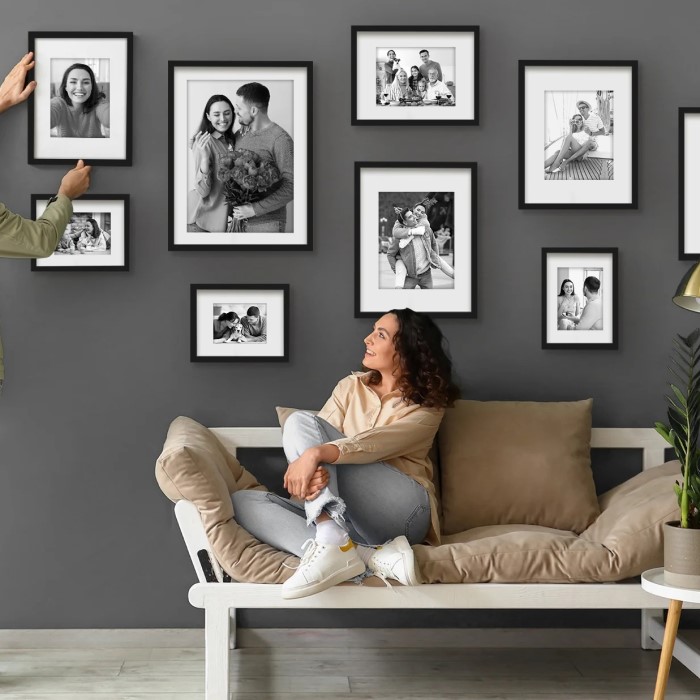
Understanding frame sizes ensures your image is the focus. It prevents unwanted cropping or awkward fits. Also, frame sizes may differ based on designs, borders, and materials. Knowing the basics guides you toward the perfect frame.
For frames, remember width and height matter equally. Measure your items carefully before choosing a frame. This helps maintain the intended look and ensures proper display.
Common Standard Picture Frame Sizes
Standard picture frame sizes offer convenience by matching common photo and artwork dimensions. These frames are widely available and cater to different display needs.
Small Frame Sizes
Frames like 4×6 inches are ideal for personal pictures. They fit well on desks or shelves. Other small sizes include 5×7 inches, often used for portrait-style photos. These frames are perfect for showcasing memories in compact spaces.
Medium Frame Sizes
Medium sizes like 8×10 inches are popular choices. They work for family pictures or small art pieces. 9×12-inch frames are another option for slightly larger artwork or certificates. These sizes are versatile and suit various settings, from homes to offices.
Large Frame Sizes
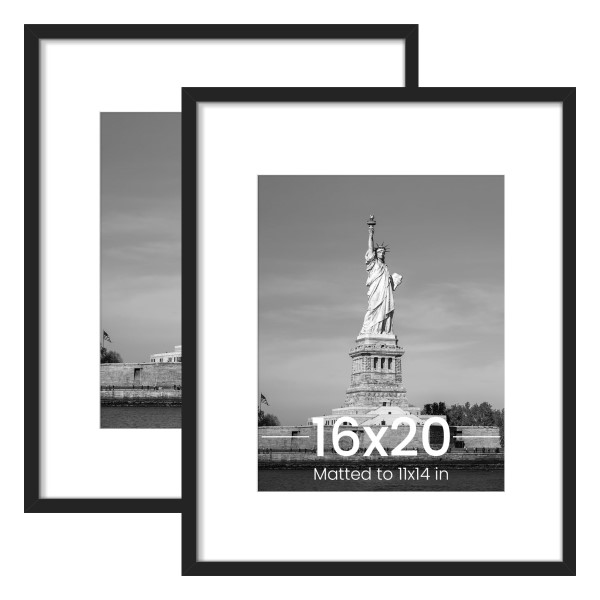
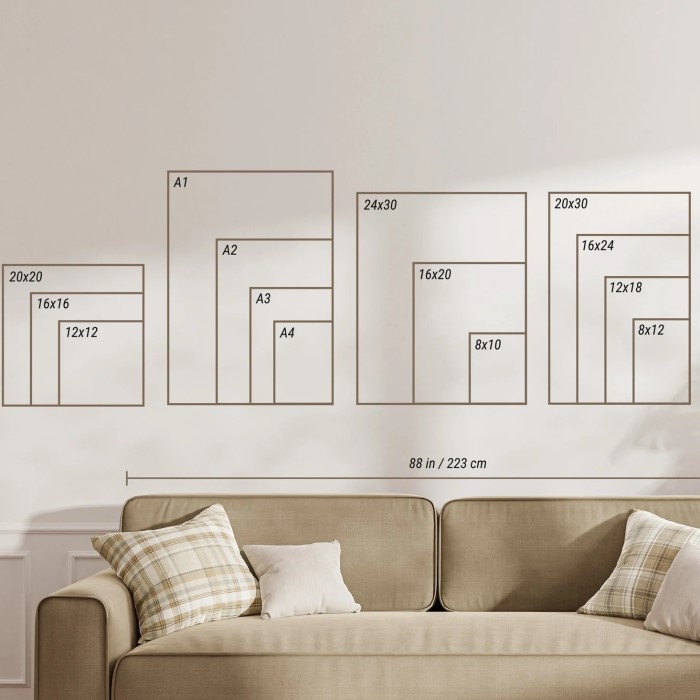
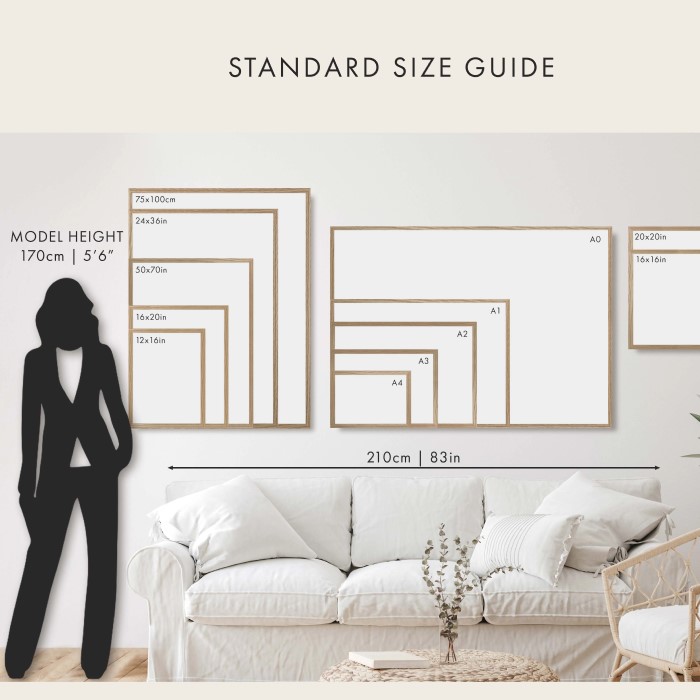
Larger frames, such as 11×14 inches or 16×20 inches, accommodate sizable prints or decorative elements. These sizes help create a statement piece on walls. A 24×36-inch frame is commonly used for posters or large art prints.
Square Frame Sizes
Square picture frames are perfect for unique or artistic photos. Sizes like 12×12 or 20×20 inches are often available. They add variety and balance to artworks.
Importance of Choosing Standard Sizes
Standard frame sizes simplify the framing and display process. They reduce issues like uneven cropping or mismatched borders. Selecting the right size ensures your photo or artwork remains visually appealing.
How to Choose the Right Frame Size for Your Artwork
Selecting the right frame size is crucial for showcasing your artwork effectively. It ensures the artwork appears balanced and enhances its visual appeal. Following simple guidelines can help in choosing the perfect frame.
Consider the Artwork Dimensions
Measure your artwork carefully. Include borders, if any, in the dimensions. The frame should comfortably fit the artwork without cutting off important details.
Match the Aspect Ratio
Ensure the frame matches the artwork’s aspect ratio. This prevents gaps or unwanted cropping. For artwork with irregular shapes, consider custom frames to maintain the original design.
Think About the Display Location
Choose a size that complements the room or wall where the artwork will be displayed. Large works need ample space, while smaller pieces fit well in compact areas.
Account for Frame Design
Frame design impacts size selection. Some frames have wide borders, making them visually larger. Ensure the frame adds to the beauty of the artwork.
Balance Between Frame and Artwork
Avoid selecting frames that overpower the artwork. The frame should highlight the piece, not dominate.
Choosing the correct frame size is important for your artwork’s presentation. Follow these tips for a stunning display.
Measuring Tips for Frames and Photos
Measuring frames and photos accurately helps you select the right frame size. Follow these simple tips for precise measurements:
Measure the Photo or Artwork
- Use a ruler or tape measure to note the width and height.
- Include any borders or mats that will frame the artwork.
- Double-check dimensions to avoid mismatched frames.
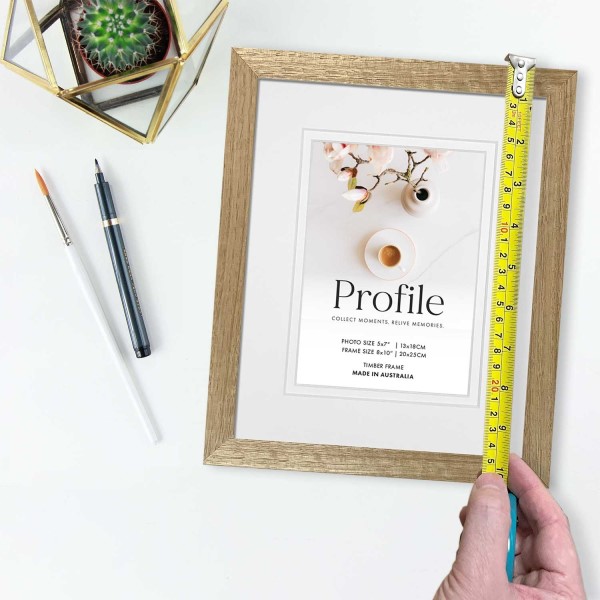
Measure the Frame Opening
- Measure the inside dimensions of the frame where the photo or artwork fits.
- These dimensions should match the artwork size for a proper fit.
- Remember, the visible opening may slightly crop the edges.
Account for Matting
- If using a mat, measure its dimensions separately.
- Ensure the mat size complements and centers the artwork.
- Mats often add an elegant touch to frames.
Check Depth for Thick Items
- Measure the artwork’s thickness if it’s not flat, like canvases or shadow boxes.
- Choose frames designed to accommodate thicker items.
Use Exact Measurements
- Avoid estimating. Exact measurements ensure perfect fits without gaps or overlapping.
Accurate measurements enhance the display of your photos or artwork. Proper sizing prevents awkward fits and ensures stunning presentations.
Aspect Ratios and Their Importance in Frame Selection
Aspect ratio refers to the proportional relationship between the width and height of a photo or artwork. Choosing the correct aspect ratio ensures your artwork or photo fits perfectly within the frame. It also enhances its presentation and overall aesthetics.
Understanding Aspect Ratios
- Aspect Ratio Basics: It is the ratio of width to height, expressed as two numbers (e.g., 4:3).
- Common Ratios: Standard ratios include 4:3, 5:7, and 16:9. They are widely used for photos and screens.
- Why It Matters: Matching aspect ratio avoids adjustments, distortions, or gaps when framing the artwork.
How to Determine Aspect Ratio
- Measure Dimensions: Divide the width by the height of the artwork.
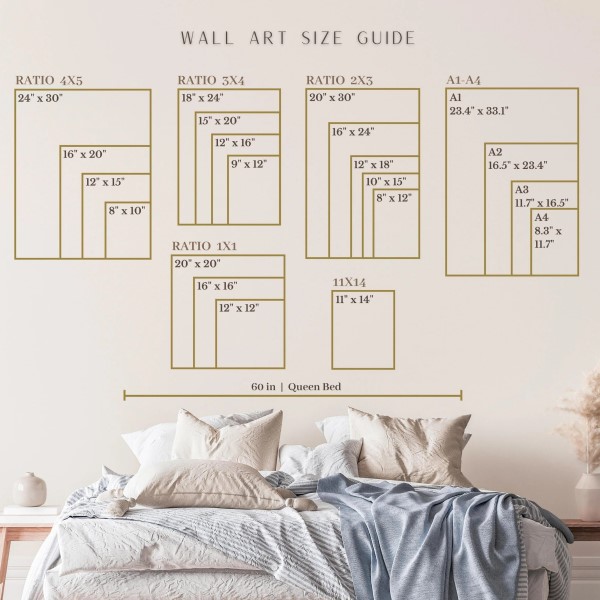
- Compare: Match the resulting ratio with standard sizes such as 4×6 (2:3) or 8×10 (4:5).
- Use a Custom Frame for Unique Ratios: For irregular sizes, custom framing preserves the design and keeps proportions.
Using Aspect Ratio to Choose Frames
- Standard Frames: These fit common ratios like 4:3 or 16:9 perfectly for most photos or prints.
- Custom Matting: Employ mats to adjust for slight aspect ratio differences.
- Large Prints and Posters: Verify the aspect ratio before selecting a large or panoramic frame.
Tips for Maintaining Aspect Ratios
- Avoid cropping artwork when fitting it into a frame.
- Use mats to keep the image centered if the aspect ratio differs slightly.
- Balance the size and aspect ratio with the display space available.
Understanding and considering aspect ratios helps preserve the integrity of your photos or artwork. It also ensures a proportional and visually appealing display.
Frame Sizes for Posters and Large Prints
When displaying posters and large prints, choosing the right frame size is crucial. It ensures that these oversized pieces make a statement while being properly supported and protected.
Standard Sizes for Posters and Large Prints
- 16×20 Inches: A popular frame size for smaller posters or medium-sized prints. It’s ideal for compact display spaces.
- 18×24 Inches: A great choice for movie posters or promotional materials. Common in offices or living rooms.
- 20×30 Inches: Perfect for larger wall art or custom prints. Enhances the visuals and fits spacious walls.
- 24×36 Inches: The go-to size for most standard posters. Suitable for feature walls or entryways.
- 27×40 Inches: Typically used for theatrical or official movie posters.
These sizes accommodate a variety of artwork, ensuring you find the right fit.
Measuring for Large Frames
Document Dimensions
- Importance of Accurate Measurements: Start by measuring the dimensions of your poster or print. Accurate measurements are crucial to ensure that the frame fits perfectly around your artwork.
- Measuring Width and Height: Use a ruler or measuring tape to carefully measure the width (horizontal length) and height (vertical length) of the poster.
- Double-Check for Accuracy: After noting the dimensions, double-check your measurements. This step helps avoid any mistakes that may lead to an ill-fitting frame. A small error can impact how the artwork fits within the frame.
Consider Borders
- Understanding Borders and Margins: Take into account any existing borders or margins on your poster. Borders can significantly affect the overall dimensions of the piece and should be included in your measurements.
- Measuring Borders: If your poster has a white border or a colored margin, measure the width of these areas. Include these dimensions when calculating the total size required for framing.
- Visual Impact of Borders: Consider how the borders enhance the visual appeal of the poster. Borders can frame the artwork effectively and provide a contrasting edge that enhances the overall presentation.
Frame Depth
- Accounting for Mounting Thickness: If your poster or print is mounted on a backing board or mat, account for the thickness of this mounting material. The frame needs to accommodate both the artwork and any additional layers.
- Understanding Frame Depth: Frame depth refers to the space inside the frame that holds the artwork. Ensure that the frame you choose is deep enough to house the thickness of the mounted print along with any additional protective glass or acrylic.
- Choosing the Right Frame: When selecting a frame, check the specifications to confirm it can accommodate the depth of your mounted print. This consideration helps prevent damage to the artwork and ensures a proper fit.
Accurate measurements guarantee your item fits flawlessly within the frame.
Frame Materials for Larger Pieces
- Wood Frames: Durable and elegant for classic or professional settings.
- Metal Frames: Provide a modern and sleek look, perfect for contemporary artwork or designs.
- Acrylic or Plexiglass Covers: Lightweight and shatterproof, ideal for safety and convenience.
Choose materials that complement both your artwork and room décor.
Tips for Displaying Posters and Large Prints
- Choose the Right Wall: Use ample wall space to avoid clutter and create a balanced display.
- Proper Hanging Hardware: Ensure your frame is securely hung using strong, appropriate hardware like wall anchors.
- Avoid Direct Sunlight: Protect your prints from fading by placing frames away from sunny areas.
- Maintain Cleanliness: Use soft cloths to clean frame surfaces without damaging them.
The right frame size enhances the aesthetics of your posters and large prints. It ensures a striking, lasting display.
Custom vs. Standard Frame Sizes: Which to Choose?
Choosing between custom and standard picture frame sizes depends on your artwork’s needs and display plans. Each option has its own strengths, and understanding these will help you make the right decision.
Benefits of Standard Frame Sizes
- Convenience: Standard sizes, like 4×6 or 8×10, are easy to find in stores.
- Cost-Effective: They are typically more affordable due to mass production.
- Ready-to-Use: These frames often come with built-in mats or stands for quick setup.
- Wide Variety: Available in various styles, colors, and materials to suit different tastes.
- Compatible with Standard Prints: Fit common photo and artwork sizes without alterations.
Benefits of Custom Frame Sizes
- Perfect Fit: Custom frames accommodate unusual or non-standard artwork sizes.
- Enhances Visual Appeal: They can be tailored to complement the artwork perfectly.
- Higher Quality: Often made with premium materials for durability.
- Unique Design: Choose from a range of materials, colors, and finishes to personalize your frame.
- Preservation: Ideal for framing valuable or delicate artwork using archival materials.
Factors to Consider When Choosing
- Artwork Dimensions: Use a standard size if your artwork fits a common dimension. Choose custom for unique sizes.
- Budget: Standard frames are cost-effective, while custom frames may require a greater investment.
- Frame Function: For valuable or delicate pieces, opt for custom for added protection and precision.
- Display Goals: Align the frame style with the overall decor or intended aesthetic.
- Time Constraints: If time is limited, standard frames are quicker to find and use.
Making the Right Decision
- Opt for standard frames for everyday photos or affordable artwork.
- Choose custom frames for unique, irregularly shaped, or high-value pieces.
By weighing the pros and cons of custom and standard picture frame sizes, you can select the right option for your display needs. The goal is to enhance and protect your photo or artwork while achieving a visually appealing result.
Tips for Displaying Framed Artwork and Photos
Displaying framed artwork and photos effectively enhances their beauty and impact. Simple steps can help create stunning presentations.
Choose the Right Location
- Place frames at eye level for better visibility.
- Ensure the location complements the artwork’s colors and theme.
- Avoid overcrowding walls; give each piece space to stand out.
Use Proper Hanging Hardware
- Secure frames with appropriate hooks, nails, or adhesive strips.
- For heavier frames, use wall anchors for stronger support.
- Ensure the hanging hardware matches the wall type.
Arrange Frames Creatively
- Experiment with gallery walls for a dynamic arrangement.
- Combine various frame sizes to create visual interest.
- Align frames evenly for clean and polished aesthetics.
Protect from Light and Moisture
- Keep frames away from direct sunlight to prevent fading.
- Avoid areas with excess humidity to protect photos and artwork.
- Use UV-protective glass for sensitive or valuable pieces.
Maintain Cleanliness
- Regularly dust frames using a soft cloth.
- Wipe glass surfaces gently to avoid scratches or stains.
- Check for damage and repair immediately to preserve the artwork.
Match Frames with Room Décor
- Choose frame styles that complement your room’s furniture and design.
- Include neutral or contrasting colors for a balanced look.
- Use larger frames as statement pieces in minimalist settings.
Rotate Displays Periodically
- Refresh wall displays by rotating framed items seasonally.
- Showcase new artwork or photos for variety.
- Preserves interest and keeps the display exciting.
Effective presentation techniques make your artwork and photos shine. These tips ensure a lasting and captivating display.
Practical Considerations and Conclusion
When determining your framing options, consider practical aspects such as your budget and the longevity of the art:
- Budget-Friendly Options: Frames come in various price ranges. You can find quality frames at both high-end and budget retailers.
- Long-Term Care: Investing in frames made with durable materials ensures that your artwork is protected over time.
In conclusion, understanding standard picture frame sizes is essential for anyone looking to enhance their artwork display. Choosing the right size, style, and frame is crucial for achieving a beautiful and cohesive look. By carefully considering these aspects, you can create stunning displays that highlight the beauty of your art while blending harmoniously with your home decor. Remember, the right frame does more than just hold art; it elevates the entire aesthetic of a space.