




Choosing the Right Frames for Your Space
Selecting the perfect frames is an essential step in arranging multiple picture frame. The right frames can enhance the overall aesthetic of your space and highlight the artwork or photos within. It’s important to consider a few key factors when making your selection.
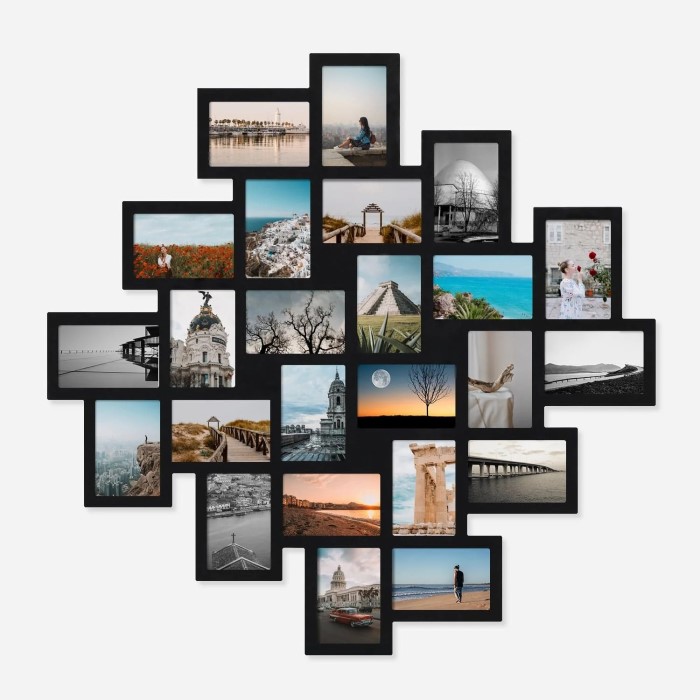
Consider the Style of Your Room
Your frames should complement the decor and style of the space. Choose frames that match existing furniture, wall colors, and decorative accents. For example, sleek and modern frames pair well with contemporary spaces, while ornate wooden frames suit traditional or vintage styles.
Focus on Material and Finish
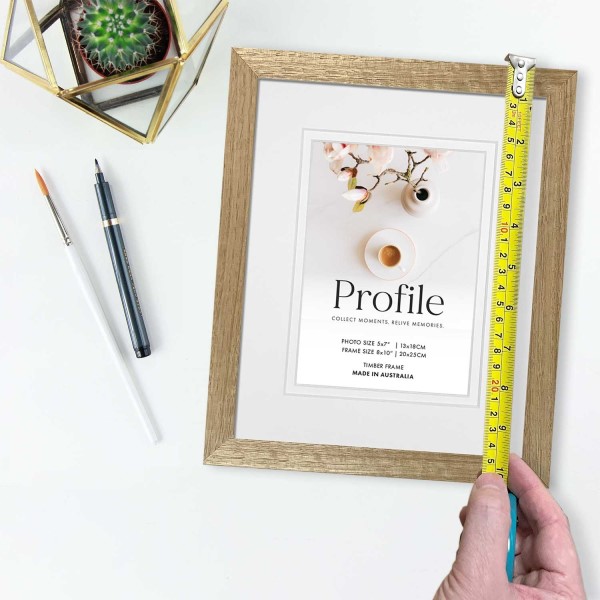
Frames come in various materials, like wood, metal, and plastic. Wood frames bring warmth and texture, while metal frames offer a sleek and polished look. Choose finishes that blend with your room, such as matte, glossy, or distressed finishes.
Pay Attention to Sizes
Using a mix of sizes can create visual interest and variation. Larger frames help anchor the arrangement while smaller frames add detail. Ensure you size your frames appropriately for the wall and furniture placement to avoid overcrowding.
Think About Frame Colors
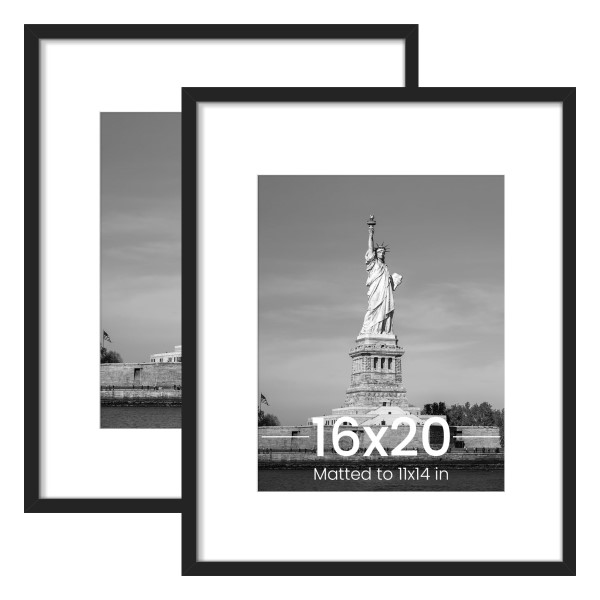
Frame color plays a big role in setting the mood. Neutral colors like white, black, or gray are versatile and work in most rooms. Brighter or contrasting colors draw attention to specific pieces and energize the space.
Choose Frames That Enhance Your Art
The design of the frame should complement the content of your photos or artwork. Simpler pieces look great in minimalist frames, while bold or detailed artwork can shine in more elaborate designs.
By carefully selecting frames that match your space, materials, sizes, and artwork, you can turn your wall into a stunning display of multiple picture frame.
Planning Your Layout Before Hanging
Thoughtful planning is essential for arranging multiple picture frame effectively. A well-designed layout ensures a visually appealing display and prevents a cluttered appearance.
Measure Your Space
Start by measuring the wall or area where you’ll hang your frames. Understanding the dimensions will help determine how many frames can fit and their placement. Keep furniture and surrounding decor in mind to avoid overcrowding.
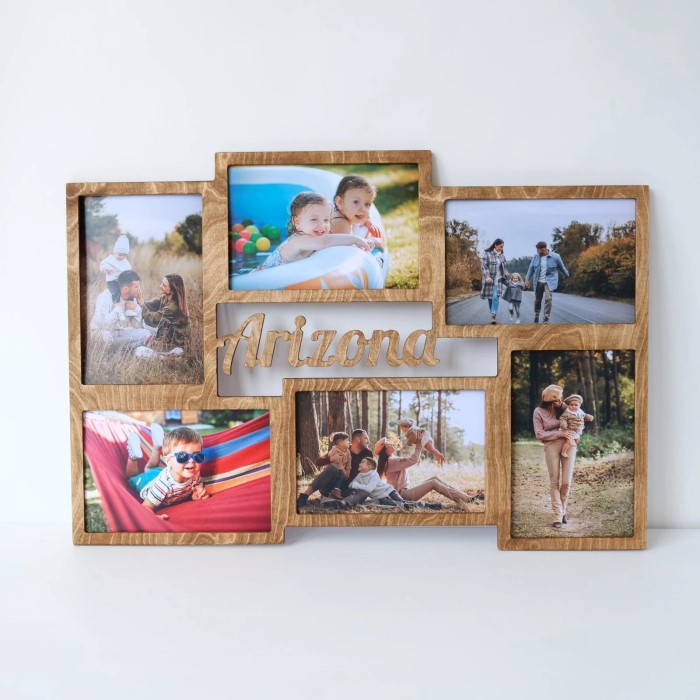
Lay Frames on the Floor
Arrange the picture frames on the floor to visualize your layout. Experiment with different designs such as symmetrical patterns, scattered arrangements, or a mix of sizes and shapes. Using this method helps you create a balanced design before committing to hanging.
Consider Visual Balance
Balance is key when arranging frames. Distribute the sizes and shapes evenly across the layout. Place larger frames strategically to anchor the arrangement and avoid overpowering smaller ones.
Mark Your Spots
Use painter’s tape or paper cutouts to mark where each frame will go on the wall. This avoids mistakes and helps align everything perfectly when you begin hanging.
Decide on Spacing
Maintain consistent spacing between frames for a clean look. Standard spacing is typically 2-3 inches apart, but this can vary depending on your chosen style.
Preview Before Hanging
Step back and evaluate the arrangement before finalizing it. Make adjustments to spacing, alignment, or positions until you achieve the desired look.
By carefully planning your layout before hanging, you’ll create an organized and visually pleasing display with your multiple picture frames.
Popular Arrangement Styles
When arranging multiple picture frames, the style of the arrangement plays a critical role. Choosing a layout that suits your personal taste and complements your space helps create a captivating display. Here are some popular arrangement styles to consider:
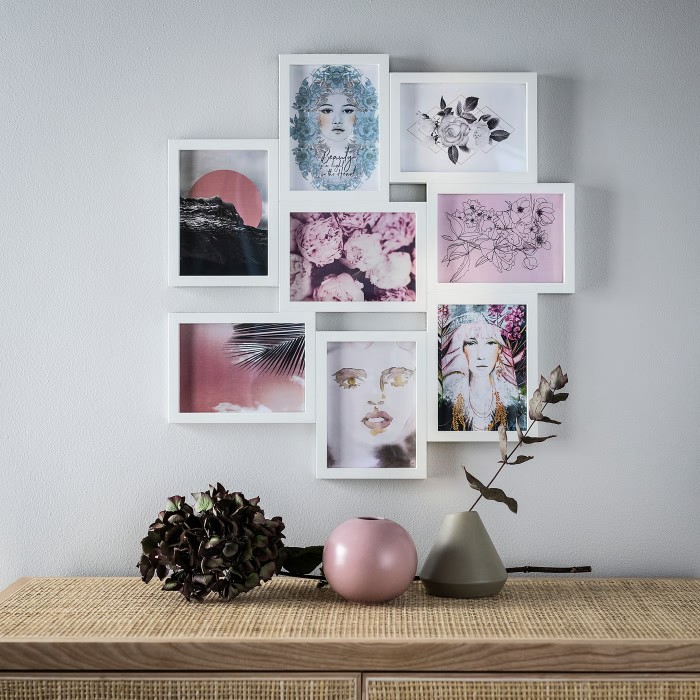
Gallery Walls
Gallery walls are a versatile and stylish way to showcase multiple picture frames. This arrangement typically involves grouping frames of varying sizes and styles on a single wall. To create a balanced gallery wall:
- Choose a central piece as the focal point. Arrange other frames around it.
- Use consistent spacing between frames for visual cohesion.
- Experiment with mixing artwork, photos, mirrors, or decorative pieces.
Gallery walls are ideal for creating a personalized and dynamic display. They work well in living rooms, hallways, and stairwells.
Grid Arrangements
Grid arrangements offer a clean and structured look. Frames are positioned in rows or columns with uniform spacing. This style creates an organized and modern appearance. To create a grid arrangement:
- Use frames of the same size for a cohesive design.
- Align frames carefully to ensure symmetry.
- Maintain equal spacing between rows and columns.
Grid arrangements are perfect for showcasing family photos, art prints, or themed collections. They work well in minimalist or contemporary spaces.
Asymmetrical Displays
Asymmetrical displays are more relaxed and artistic. Frames of various sizes and shapes are arranged without strict patterns. To create an asymmetrical display:
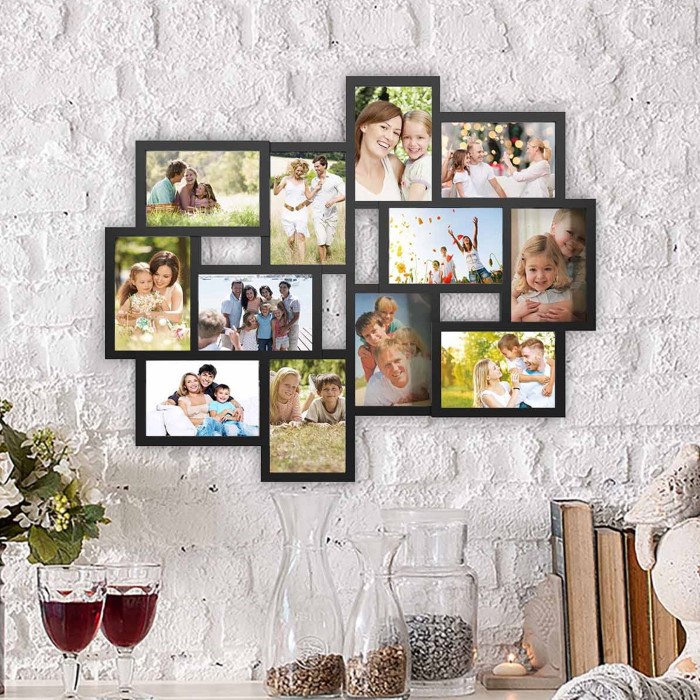
- Mix different frame styles and materials for visual interest.
- Place larger frames near the center and smaller ones outward.
- Vary the spacing between frames for a dynamic look.
This arrangement gives a creative and playful vibe. It’s well-suited for eclectic or bohemian spaces.
Linear Displays
Linear displays feature picture frames aligned in a straight line. They work well both horizontally and vertically. To create a linear display:
- Use frames of uniform size for a streamlined look.
- Align frames in a single row for simplicity.
- Ensure equal spacing between frames.
Linear displays are elegant and minimalist, perfect for corridors, desks, or above furniture like sofas.
Choose an arrangement style that suits your space and personal aesthetic. Each style has its unique charm and can turn your wall into a visual masterpiece with multiple picture frames.
Grouping Frames by Themes or Colors
Organizing your multiple picture frames by themes or colors can add harmony to your display. This method creates a cohesive, visually appealing look that tells a story.
Grouping Frames by Themes
- Choose a Central Theme: Decide on a theme for your frames, such as family photos, travel memories, or nature scenes. A clear theme ties your display together and adds meaning.
- Maintain a Consistent Style: Use similar photo types, such as black-and-white images or vintage photos, for unity.
- Combine Similar Subjects: Group photos or artwork with shared elements, like landscapes, portraits, or special events.
- Add Personal Touches: Include mementos such as handwritten notes, tickets, or small souvenirs to enhance the theme.
- Create a Narrative Flow: Arrange frames to tell a story. For example, chronologically display travel photos or family milestones.
Grouping Frames by Colors
- Pick a Color Palette: Choose a limited color scheme that matches your room’s decor. Options include monochromatic, complementary, or contrasting colors.
- Match Frame Colors: Use frames in similar shades to unify the art pieces visually.
- Coordinate the Artworks’ Colors: Select photos or paintings with consistent colors to enhance the overall look.
- Mix Neutral and Bold Colors: Add variety by combining neutral frames with pops of bold colors.
- Balance Color Distribution: Scatter similar colors across the arrangement for balance.
By organizing picture frames based on themes or colors, you can create a striking and cohesive display. This thoughtful arrangement will effortlessly elevate the ambiance of any space.
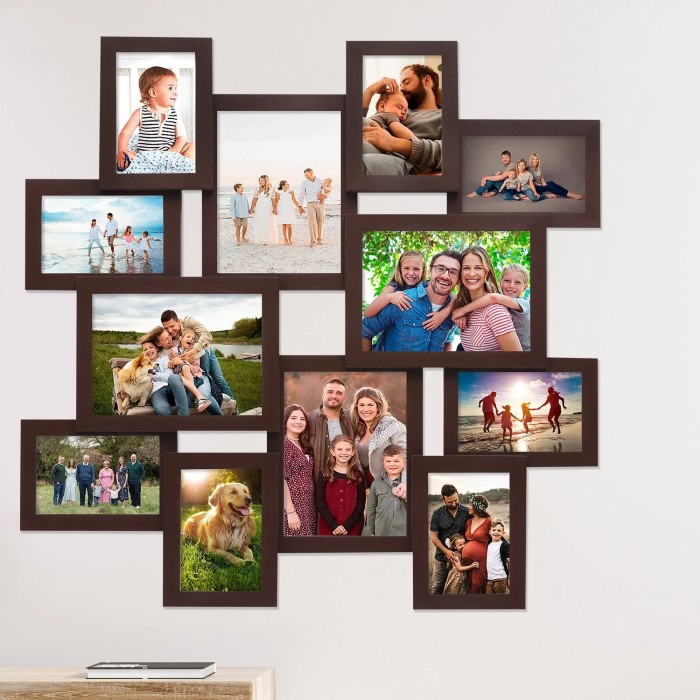
Creating a Focal Point with Your Picture Frames
A focal point draws attention and gives visual interest to your display of multiple picture frame. It becomes the centerpiece, helping to guide the viewer’s eye and creating an organized arrangement. Here are some useful tips to create a strong focal point with your picture frames:
Select a Key Piece
Choose one standout frame to act as the centerpiece. This piece should be larger, uniquely shaped, or hold significant meaning compared to the rest. For example, a large family portrait, an eye-catching art print, or a cherished travel memory works well as the primary focus.
Position Strategically
Place the focal frame at eye level or slightly above. This ensures it captures attention immediately. Consider centering it on an empty wall or in a space that naturally draws eyes, such as above a sofa or fireplace.
Use Contrasting Colors
Pick a frame color or artwork that contrasts with the wall or surrounding frames. If the wall is light-colored, try a bold, dark-colored frame. This contrast highlights the focal point effectively.
Surround with Simplicity
Position simpler or smaller frames around the focal piece. Avoid overly ornate or colorful surrounding frames, as they may compete with your central design. Use neutral colors or subtle styles to complement, not overpower, the focus frame.
Experiment with Lighting
Add focal lighting, like a wall sconce or a spotlight, to emphasize the central frame. Directional lighting can add depth and make your chosen piece even more captivating, especially in dim or evening settings.
Use Negative Space
Incorporate blank areas around your focal frame to set it apart from the rest. This creates breathing room around the centerpiece and makes it stand out in the arrangement.
By following these simple guidelines, you can create a focal point that enhances the entire display. This ensures your multiple picture frame make a bold and organized statement in your space.
Tips for Balancing Sizes and Shapes of Frames
When arranging multiple picture frame, balancing their sizes and shapes is key to an appealing layout. Mix and match various dimensions and styles while keeping a sense of harmony. Follow these tips to create a balanced composition:
Choose a Dominant Frame
Select one large frame to act as the centerpiece. Use it as the anchor for your arrangement. Surround it with smaller frames to bring balance and avoid an oversized look.
Mix Large and Small Frames
Combine frames of different sizes for variety and depth. Group larger frames on one side and smaller ones on the other to create visual equilibrium. Be mindful not to overcrowd.
Play with Shapes
Incorporate both rectangular and square frames, or experiment with round and oval shapes. Using multiple frame shapes makes the arrangement more interesting and dynamic.
Symmetry vs. Asymmetry
Decide between a symmetrical or asymmetrical design. Symmetry creates a clean look, while asymmetry adds a creative touch. The key is maintaining visual flow in both styles.
Stick to Consistent Spacing
Space each frame evenly to avoid a disjointed appearance. Standard spacing ranges from 2 to 4 inches. Consistent spacing ensures the arrangement looks cohesive.
Group by Proportion
Place frames of similar sizes close to one another to form clusters. Use these clusters strategically to maintain balance across the layout.
Test on the Floor
Arrange the frames on the floor before hanging. Experiment with different combinations. This allows you to visualize and refine your layout without drilling holes prematurely.
By balancing the sizes and shapes of your frames, you’ll achieve a harmonious and visually appealing display for your space.
DIY Ideas for Customizing Picture Frames
Personalizing your picture frames can elevate your multiple picture frame display. Customization allows frames to complement your space and create a unique touch. Here are exciting DIY ideas to transform your frames:
Paint Your Frames
- Use paint to match frames with your room’s color scheme.
- Apply chalk paint for a matte, vintage texture.
- Experiment with ombre effects for a modern and artistic look.
Add Decorative Elements
- Glue ribbons, beads, or gems along the edges for a fun flair.
- Incorporate natural elements like shells, twigs, or flowers for an earthy vibe.
- Use metallic or glitter accents to add a glamorous touch.
Wrap Frames with Fabric
- Cover frames in patterned fabric to create soft and colorful textures.
- Use burlap, linen, or patterned paper for rustic or modern themes.
- Secure materials with adhesive or a glue gun for best results.
Stencil Designs Onto Frames
- Apply stencils of geometric patterns or floral motifs.
- Paint over stencils to add character while keeping lines neat.
- Use metallic or bold colors for a statement design.
Add Text or Quotes
- Paint or stencil meaningful quotes directly onto the frame.
- Write family names or special dates to make it even more personal.
- Experiment with calligraphy or simple block lettering styles.
Distress the Frame for a Vintage Look
- Sandpaper the edges of wooden frames for a distressed, shabby-chic look.
- Add soft whitewash or pastel colors for a weathered appearance.
Decoupage with Photos or Prints
- Use wrapping paper, sheet music, or old maps as decoupage material.
- Adhere the material with decoupage glue for durability.
- Seal with a clear finish for longevity.
Install Craft Accessories
- Attach hooks for a functional and decorative element.
- Add mini wire grids to create a holder for notes or small items.
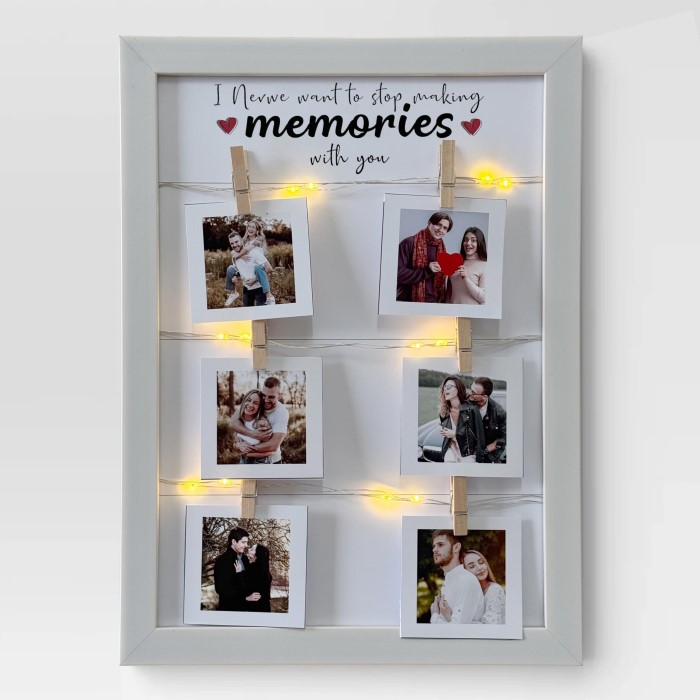
- Combine with clothespins for a photo or postcard holder.
Try Mixed Media Art
- Combine paint and textured elements like lace or fabric.
- Add personal items like ticket stubs or dried flowers.
- Use washi tape for temporary designs and easy updates.
Customizing picture frames is a fun way to blend style and personality in your display. Choose ideas that resonate with your aesthetic and get creative!
Common Mistakes to Avoid When Arranging Frames
Arranging multiple picture frame can enhance your space, but certain mistakes can diminish the impact. Avoid these common errors to ensure your display looks cohesive and visually appealing.
Ignoring Spacing Between Frames
Uneven spacing can make your display look cluttered and disorganized. Maintain consistent gaps of 2-3 inches. This creates visual harmony and avoids overcrowding.
Skipping the Planning Stage
Hanging frames without planning often leads to a chaotic arrangement. Measure your wall space carefully. Arrange your frames on the floor first to visualize the layout.
Choosing the Wrong Frame Sizes
Using frames that are too large or too small for the wall can look awkward. Ensure each frame fits the dimensions of the room and works well with surrounding decor.
Overloading the Wall
Too many frames can overwhelm the eye and make the space feel chaotic. Focus on balance and simplicity, leaving some empty spaces for a clean and open look.
Neglecting Visual Balance
Placing all the large frames on one side makes the arrangement feel unbalanced. Distribute frame sizes evenly throughout your display for visual equilibrium.
Clashing Styles and Colors
Using mismatched styles and colors can disrupt harmony. Select frames that complement your theme and room decor for a unified appearance.
Forgetting to Anchor the Arrangement
Every display needs a focal point to guide the eye. A large or unique frame can act as the centerpiece, with smaller frames surrounding it.
Poor Alignment
Crooked frames can ruin an otherwise beautiful display. Level each frame and use tools like painter’s tape or a ruler to help ensure straight placement.
Overlooking Frame Content
Select photos or artwork that complement each other and the ambiance of your room. Avoid mixing too many unrelated or clashing themes.
Rushing the Process
Take your time to ensure the arrangement fits the space and meets your aesthetic. Step back and review your work before finalizing.
By avoiding these mistakes, you can create a stunning and well-organized display of multiple picture frame that elevates your space effectively.
Conclusion: Unleashing Creativity in Home Decor
Arranging multiple picture frame provides a creative outlet for expressing personal style and showcasing cherished memories. Whether you choose to create a gallery wall, utilize floating ledges, or explore seasonal rotations, there is no limit to the ways you can arrange your frames. This versatility not only personalizes your space but also invigorates your home decor.
By implementing these creative strategies and engaging in the process of arrangement, you can transform your walls into a stunning reflection of your life, family, and interests. Remember, the key to a successful arrangement lies in planning, balance, and letting your creativity shine. So go ahead, unleash your imagination, and let your picture frames tell your story!