



Introduction
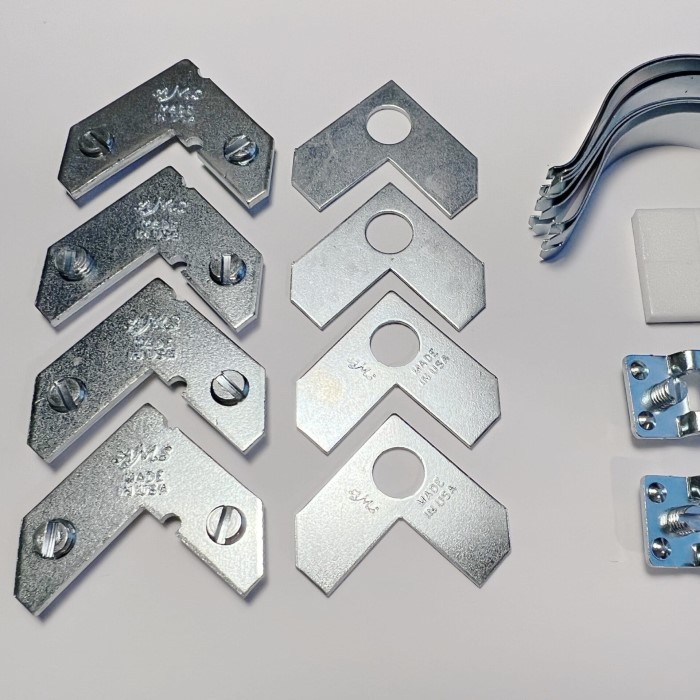
Picture frame hardware ensures secure mounting and beautiful displays. It enhances functionality and protects artworks or photos. Hardware serves as the connection between the frame and mounting surface, offering stability and ease of installation. Different types of hardware provide unique benefits, depending on your frame’s design, material, and purpose.
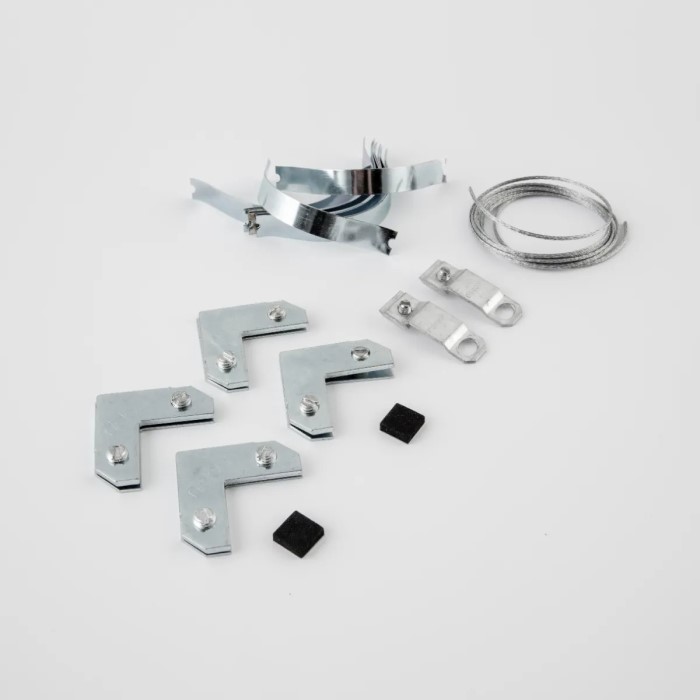
Understanding picture frame hardware is crucial for proper installation and maintenance. Common components include hooks, hangers, brackets, clips, screw eyes, D-rings, wires, and cords. Selecting the right hardware ensures stable hanging, aesthetic appeal, and simplified installation.
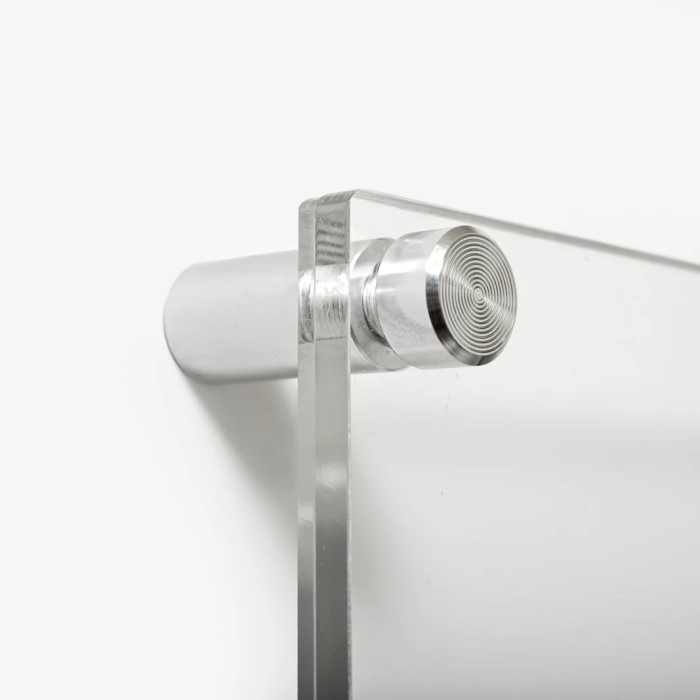
Additionally, hardware materials, such as metal, plastic, or wood, influence durability and reliability. Compatibility with your frame’s construction and the wall type is essential. Proper hardware choice reduces risks of damage and enhances display longevity.
Investing time in learning about picture frame hardware saves effort and prevents mounting issues. This guide focuses on types, usage, installation, maintenance, and creative uses for hardware.
Types of Picture Frame Hardware
Selecting the right type of picture frame hardware is essential. It ensures secure mounting and proper display of your frames. Each hardware type has specific purposes and benefits. Let’s explore the key categories.
Hooks and Hangers
Hooks and hangers are commonly used for hanging picture frames. They attach to walls and hold frames securely. Available in various sizes and styles, they fit different frame weights. Lightweight frames typically use sawtooth hangers or adhesive hooks. Heavy frames require sturdier options like heavy-duty wall hooks or French cleats. Always choose hooks that support the frame’s weight.
Brackets and Clips
Brackets and clips secure the frame’s contents, such as photos and artworks. They prevent shifting or falling. For example, spring clips hold backing boards and glass in place within a frame. Hanging brackets, on the other hand, mount the frame to the wall. Some brackets work best for specific frame types or adjustability preferences.
Screw Eyes and D-Rings
Screw eyes and D-rings are small but strong hardware pieces. They attach to the back of picture frames. Screw eyes are loops, while D-rings are U-shaped. Both are ideal for use with wires or cords. They help distribute the weight of the frame evenly. These types are perfect for medium to heavy wall frames.
Wire and Cord
Wire and cord provide a flexible hanging option. You attach them between two screw eyes or D-rings on the frame’s back. Strong, braided stainless steel wire suits heavier frames. Nylon or twine cords work for lightweight frames. Ensure the wire or cord fits tightly and has no slack. Always choose materials that match the frame’s design and weight.
Understanding these types of picture frame hardware ensures safe and attractive displays. Matching the hardware to your frame’s specifications prevents accidental falls and provides lasting durability.
Choosing the Right Hardware for Your Picture Frames
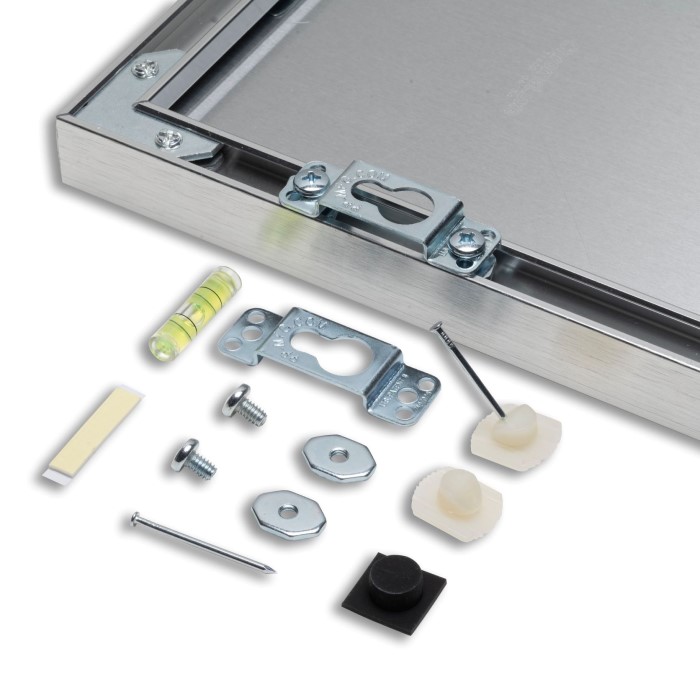
Selecting the best picture frame hardware is vital for safe and appealing displays. Various factors influence the choice of hardware, ensuring your art or photograph stays secure.
Size and Weight Considerations
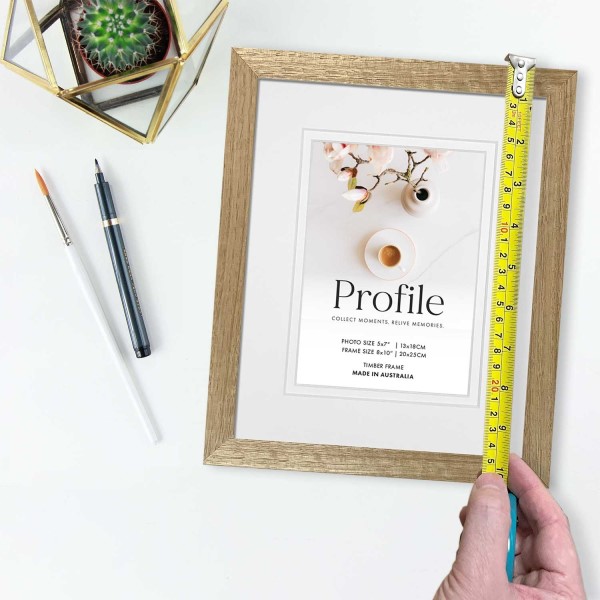
The size and weight of your frame play a major role in hardware selection. Heavier frames require sturdy and durable options such as heavy-duty wall hooks or French cleats. Lightweight frames can rely on simpler solutions like sawtooth hangers or adhesive hooks. Always verify the weight limit specified by the hardware manufacturer. This helps avoid accidental falls or structural damage. Measure your frame’s dimensions and weight to determine suitable hardware. Additionally, consider distributing weight evenly using multiple hooks or hangers for large frames.
Material Compatibility
Your frame’s material impacts the choice of hardware. Wooden frames easily support screws, D-rings, or brackets. Metal frames may need specialized hardware designed to attach securely without damaging the structure. Plastic frames often work well with lighter hardware like adhesive hooks or sawtooth hangers. Always test the compatibility of your chosen hardware before mounting. Using incompatible hardware can lead to weakening over time or damage to the frame and wall.
Wall Type and Installation
Walls vary in material and structure, affecting hardware installation. For drywall, use anchors to provide extra support and prevent hardware from pulling out. Concrete or brick walls often need masonry anchors and screws for a secure fit. Wooden panels allow for easy screw insertion without extra reinforcement. Consider adjustable hardware for uneven or textured walls to make leveling easier. Always know your wall type before selecting and installing picture frame hardware.
How to Install Picture Frame Hardware
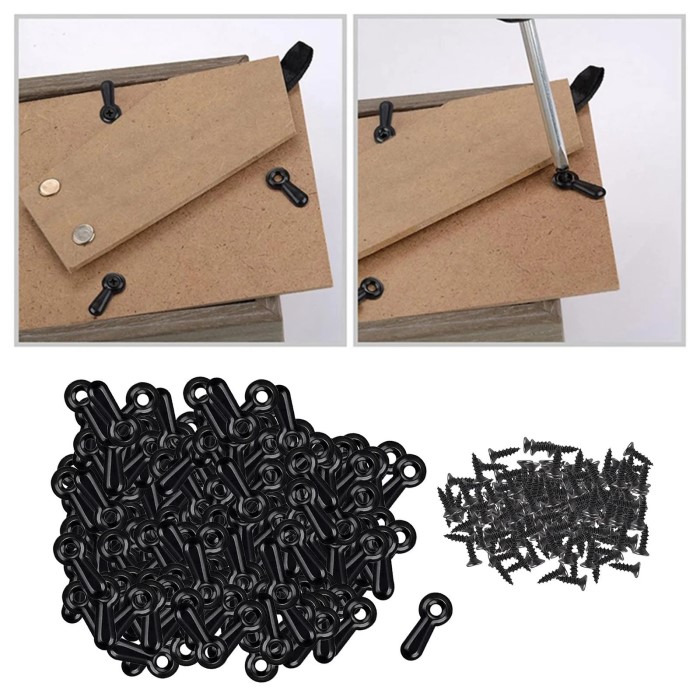
Proper installation of picture frame hardware is key to secure and long-lasting displays. Ensuring meticulous installation will prevent damage to both the frame and the wall.
Step-by-Step Instructions
- Choose the Right Hardware: Select suitable picture frame hardware based on your frame’s size, weight, and material. Consider using hooks, D-rings, wires, or brackets as needed.
- Prepare the Frame: Remove the backing or glass carefully if necessary. Mark the placement of the hardware at equal distances from the top corners of the frame to ensure balance.
- Attach Screw Eyes or D-rings: Use a screwdriver or drill to fasten the screw eyes or D-rings firmly to the marked spots. Ensure they are securely attached and aligned for even weight distribution.
- Install the Wire or Cord: Cut a wire or cord to an appropriate length, slightly shorter than the width of the frame. Thread the wire or cord through the attached hardware and secure tightly with knots or by twisting the wire. Keep the tension snug but not excessive.
- Select and Install Wall Hooks: Choose wall hooks or hangers designed for the wall material and frame weight. For drywall, use anchors or nails. For brick or concrete walls, use masonry anchors and screws.
- Hang the Frame: Mount the frame carefully on the hooks or hangers. Make sure the wire or cord is centered to keep the frame level.
- Adjust and Level: Use a level to ensure the frame is straight. Make minor adjustments as needed.
Safety Tips for Installation
- Avoid Overloading Hardware: Always check the weight rating of the hardware and do not exceed it.
- Ensure Proper Alignment: Misaligned hardware can cause instability and potential accidents.
- Use Quality Materials: Invest in durable picture frame hardware to ensure long-term reliability.
- Test the Stability: Once installed, check the frame’s stability. Shake it gently to ensure secure mounting.
- Protect the Wall: Use felt pads behind the frame to prevent scratches on the wall.
- Use Proper Tools: Use appropriate tools like drills, screwdrivers, and levels for safe and efficient installation.
By following these steps and safety tips, your frames will remain securely mounted and beautifully displayed.
Maintenance and Replacement of Hardware
Keeping picture frame hardware in good condition ensures safe and beautiful displays. Regular maintenance and timely replacement prevent damage to your frames or artwork.
Inspecting for Wear and Damage
Regular inspections are essential to detect issues before they become severe. Follow these steps:
- Check for Corrosion: Look for rust on metals like hooks, wires, or screws. Replace rusted parts immediately.
- Inspect for Loosening: Test all screws, D-rings, or brackets for tightness. Tighten with appropriate tools as needed.
- Examine Wires and Cords: Look for fraying or weakening of wires and cords. Replace worn materials to avoid breakage.
- Inspect Adhesives: Check adhesive hooks for reduced stickiness or peeling. Replace them to maintain stability.
- Look for Bent Hardware: Ensure hooks or hangers are not bent or deformed. Replace any damaged items.
- Assess Frame Stability: Gently shake the frame to confirm secure mounting. Make adjustments if it feels loose.
Regular inspections prevent accidents and help you maintain an impeccable display.
Upgrading Existing Hardware
Upgrading your hardware can improve durability and functionality. Here’s how to choose and replace hardware:
- Evaluate Frame Needs: Determine if your frame requires heavier-duty hardware for added support.
- Choose Quality Materials: Opt for stronger options like steel wires, brass hooks, or durable D-rings.
- Replace Outdated Hardware: Remove worn or obsolete parts. Carefully detach old hardware using proper tools.
- Improve Aesthetic Appeal: Invest in modern or decorative hardware to enhance the frame’s visual appeal.
- Adjust for Changes: If you’ve changed the frame’s location or wall type, ensure the new hardware matches.
- Recycle Old Pieces: Repurpose undamaged hardware for other creative projects within your home.
Maintaining and upgrading your picture frame hardware ensures safety, durability, and style for all your framed items.
Creative Uses
Picture frame hardware can be used for more than hanging frames. It has many creative applications that can add a unique touch to your home decor or crafting projects. Let’s explore some exciting ideas that highlight the versatility of these small yet powerful tools.
DIY Projects and Crafts
Engage your creativity and use picture frame hardware to craft unique items:
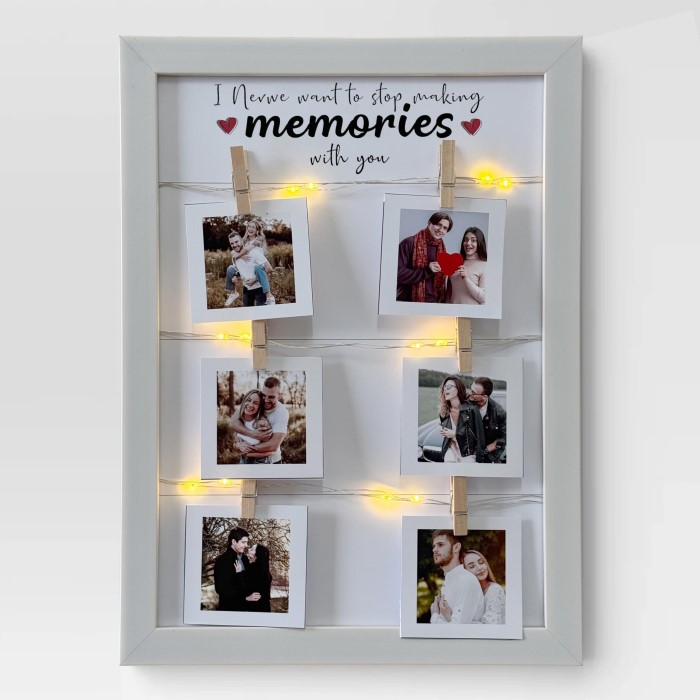
- Wall Collages: Create stunning photo or art collages using a mix of hooks, wires, and clips. Arrange frames of different sizes and materials for an eclectic display.
- Jewelry Holder: Make a stylish jewelry holder by attaching D-rings or hooks to a wooden frame. Use the frame’s backing to keep necklaces, bracelets, and earrings organized.
- Customized Bulletin Boards: Transform a blank frame into a personalized bulletin board. Include clips or brackets to hold notes and pictures in place.
- Key Holders: Mount some extra hanging hooks inside a picture frame to create a decorative key organizer.
- Artistic Displays: Frame small installations or create shadow boxes by securing objects using brackets and clips.
- Planter Frames: Attach tiny pots to a sturdy frame using screw eyes or D-rings to display plants elegantly.
Repurposing Hardware for Unique Display Ideas
Picture frame hardware can be repurposed for innovative display solutions and home organization:
- Wall Grids: Construct a functional wall grid using wires stretched across frames. Use it for notes or lightweight decorative items.
- Hanging Shelves: Attach wooden planks securely supported by D-rings or brackets to make simple hanging shelves.
- Gallery Rails: Utilize hooks and strong wires to create gallery-style hanging rows for multiple frames or items.
- Room Dividers: Arrange multiple frames with sturdy wire and hooks to create a unique room divider with space for photos or art.
- Gift Wrapping Station: Attach hooks and wires to keep gift wrapping material organized and accessible.
- Seasonal Displays: Decorate frames with different seasonal items like dried flowers, ornaments, or craft pieces.
Using picture frame hardware creatively is a fun way to personalize your space and craft. These ideas are versatile and cost-effective, allowing you to repurpose hardware and design unique pieces easily.
Frequently Asked Questions
Here are answers to common questions about picture frame hardware to help you understand its usage better.
What is picture frame hardware?
Picture frame hardware refers to the tools and components used to hang frames securely. Common types include hooks, hangers, brackets, clips, screw eyes, D-rings, wires, and cords. These items ensure stability, aesthetics, and ease during the installation of framed pictures or artwork.
How do I choose the right hardware for my frame?
Choose hardware based on the frame’s size, weight, and material. Heavy frames need robust options like heavy-duty hooks or French cleats. For lightweight frames, adhesive hooks or sawtooth hangers are ideal. Ensure the hardware matches both your frame and wall type.
Can I use the same hardware for all kinds of walls?
No, wall type affects hardware selection. Use anchors or screws for drywall, masonry anchors for concrete or brick, and basic screws for wooden walls. Knowing your wall material will ensure a secure installation.
How do I prevent frames from falling?
Use strong and suitable hardware. Ensure proper installation and test all components for tightness. Regularly inspect and maintain hardware to avoid rust, bending, or wear.
How do I clean and maintain picture frame hardware?
Clean regularly with a damp cloth or soft brush. Remove rust immediately and tighten loose screws. Replace damaged wires, brackets, or hooks to keep your display secure.
Can I reuse old hardware?
Yes, you can repurpose undamaged hardware for other projects or to hang new frames. Ensure the pieces are in good condition and compatible with the new frame and wall.
Can picture frame hardware be used for creative projects?
Absolutely! Hardware can be repurposed for crafts like jewelry holders, bulletin boards, hanging shelves, and wall grids. Get creative and design unique décor items with them.
How do I know if my hardware needs to be replaced?
Check for visible damage, rust, or weakening components. Replace hardware that shows signs of wear or instability.
Are there lightweight options for hanging frames?
Yes, adhesive hooks or sawtooth hangers work for lightweight frames. Ensure they fit your frame’s weight.
How can I adjust a crooked frame?
Use a level to check alignment. Adjust the picture frame wire or move the wall hook slightly.
By addressing these questions, you’ll gain a better understanding of how to use picture frame hardware effectively.
Conclusion: Embracing the Future of Picture Frame Hardware
In conclusion, understanding picture frame hardware is imperative for anyone interested in displaying their artwork effectively. Whether you’re captivated by the sustainable trends, exploring technology’s influence, or simply looking to refine your framing techniques, the options are abundant in 2025. From basic mounting accessories to innovative smart frames, you can select the best solutions for your needs.
By staying informed about current trends and essential components, you can elevate your picture framing projects. With the right picture frame hardware, not only do you protect and showcase your artwork beautifully, but you also allow it to resonate with your audience. So as we move through 2025, embrace what’s new, and make your framing endeavors more interesting and beautifully presented.