

Introduction to Tea Towels and Their Versatility
When it comes to kitchen essentials, the tea towel often finds itself relegated to a lesser-known status. Yet, this unassuming piece of cloth serves a myriad of purposes that enhance our cooking and cleaning routines. So, what is a tea towel used for? Originally designed for drying fine china and glassware, tea towels have evolved to support a range of tasks, making them indispensable in any kitchen. In this article, we will explore the various functions of tea towels, as well as tips and tricks to maximize their utility in your daily life.
What Makes Tea Towels Unique?
Before diving into their uses, it’s essential to understand what sets tea towels apart from other kitchen textiles.
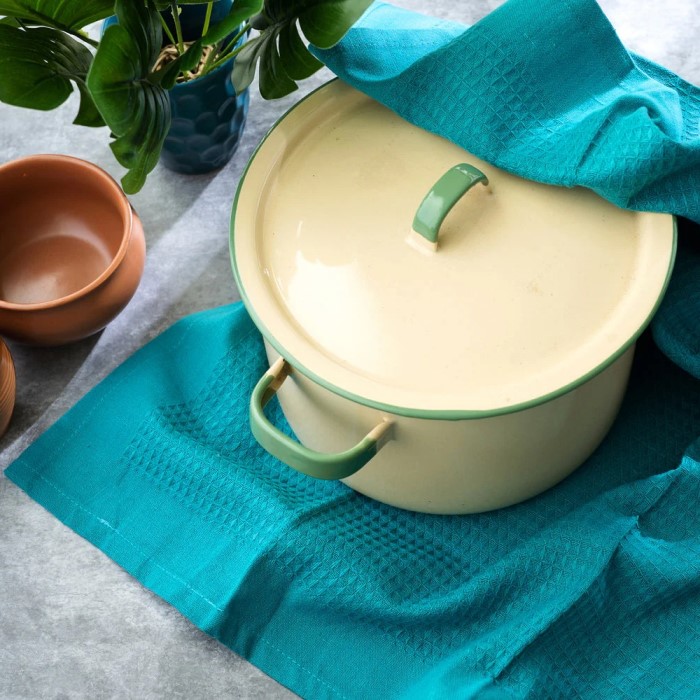
- Material Matters: Tea towels are typically made from absorbent fabrics like cotton or linen. These materials ensure they can soak up moisture effectively while being soft enough to avoid scratching delicate surfaces. Unlike dishcloths, which are often used for scrubbing, tea towels are designed for drying and light cleaning.
- Absorbency and Durability: Quality tea towels are known for their high absorbency, making them ideal for drying dishes and surfaces efficiently. They are also durable and can withstand frequent washing without losing their shape or effectiveness.
- Versatile Designs: Available in an array of colors and patterns, tea towels can serve a decorative purpose beyond functionality. Many kitchens feature inviting designs that add character and charm to the space.
Common Uses of Tea Towels
What is a tea towel used for? Tea towels boast numerous uses, many of which may surprise you. Below are some of the most prevalent applications for these versatile kitchen helpers:
1. Drying Dishes
One of the primary functions of tea towels is drying dishes after washing. Their absorbent nature allows them to soak up water quickly, leaving your dishes, glassware, and utensils sparkling clean.
- Technique: When drying, begin by wiping larger items first, such as pots and pans, and then proceed to smaller items like plates and cups. Use a gentle touch to avoid scratching or damaging delicate china.
2. Covering Dough
When making bread, pie crusts, or other dough-based recipes, covering the rising dough with a damp tea towel is crucial. This helps maintain moisture and warmth, which promotes better fermentation and ultimately leads to fluffier baked goods.
- Technique: Make sure the towel is damp but not dripping wet. A light misting of water should suffice. Wrap the dough and place it in a warm area to rise without drafts.
3. Protecting Surfaces
Tea towels can serve as a protective barrier for surfaces when handling hot pots and pans. This is especially useful when placing a hot dish directly on a wooden table or countertop.
- Technique: Simply place the tea towel under the pot to absorb heat and protect your surfaces. It also allows for easier moving of hot items without burning your hands.
4. Serving Food
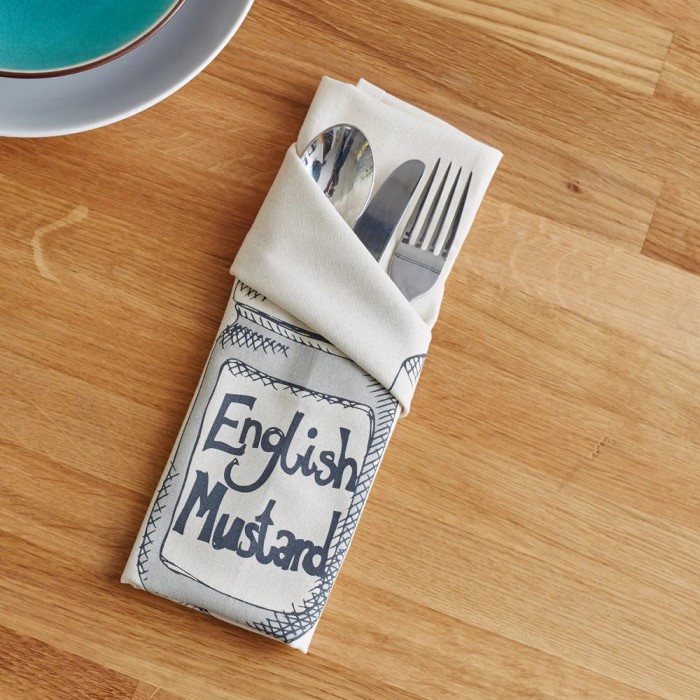
Tea towels can add a touch of elegance to your dining experience when serving food. Use them to line serving baskets for bread or rolls, keeping the contents warm and inviting.
- Technique: Fold the tea towel neatly and place it at the bottom of the basket before adding the food. This keeps the bread warm and prevents it from becoming soggy.
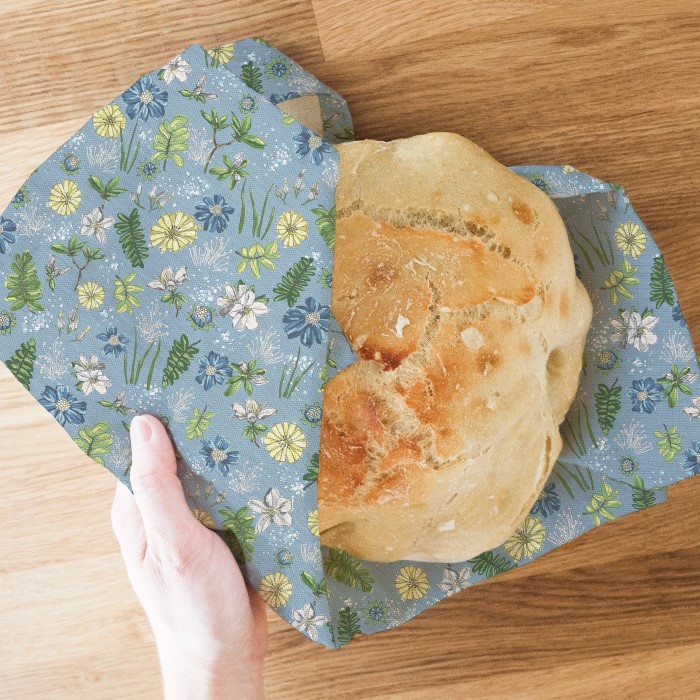
5. Wrapping Food
Tea towels are excellent for wrapping food items, such as sandwiches or snacks. They keep food fresh and prevent spills during transport.
- Technique: Simply place the food in the center of the tea towel, and fold the edges over to enclose it. This method not only keeps the food fresh but also adds a rustic charm to your lunch presentations.
6. Cleaning Surfaces
Tea towels make for quick clean-ups around the kitchen. They are perfect for wiping down counters, tables, and appliances after cooking and preparing food.
- Technique: Use a clean tea towel for initial cleaning, followed by a damp towel for scrubbing. For tougher stains, a bit of vinegar or baking soda can enhance cleaning power.
7. Assisting with Food Preparation
In the kitchen, tea towels can aid in various food prep tasks. They can be used to wipe hands, absorb excess moisture from vegetables, or even hold hot or slippery items.
- Technique: Keep a tea towel handy while cooking so you can quickly wipe your hands or dry off items like freshly washed greens.
Choosing the Right Tea Towel
When selecting a tea towel, several factors should be considered to ensure you get the best tool for your kitchen needs:
- Material: Opt for cotton or linen tea towels, as these fabrics absorb moisture well and are sturdy enough for frequent use. Avoid synthetic materials that may not absorb moisture effectively.
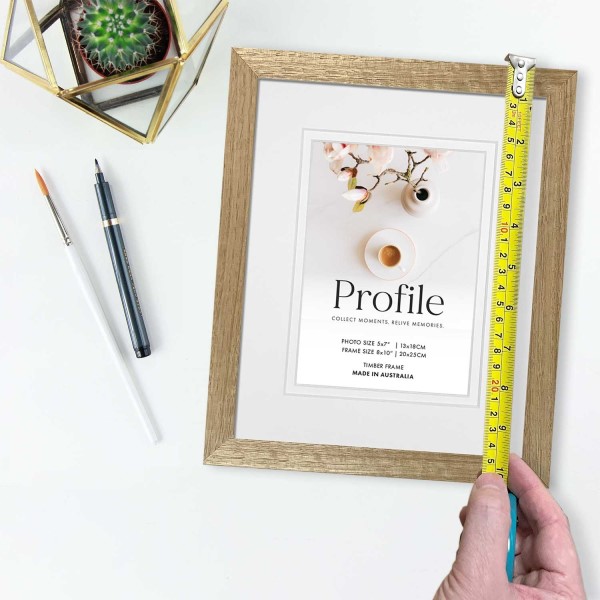
- Size: Tea towels come in various sizes. Standard dimensions are typically around 18×28 inches, but consider the tasks you’ll be performing. Larger towels work best for covering larger items or bread, while smaller ones are great for dish drying.
- Design: Choose designs and colors that fit your kitchen aesthetic. While functionality is crucial, having visually appealing towels can enhance your kitchen’s appearance.
- Durability: Invest in high-quality tea towels that can withstand frequent washing and heavy use. Look for features like reinforced stitching to ensure they last longer.
Maintaining Your Tea Towels
To keep your tea towels effective and hygienic, proper maintenance is important:
Regular Washing
- Frequency: It is essential to wash tea towels frequently, ideally after every use, especially if they are used for drying dishes, cleaning surfaces, or handling food items. Washing them regularly helps to mitigate the buildup of bacteria and prevents the development of unpleasant odors.
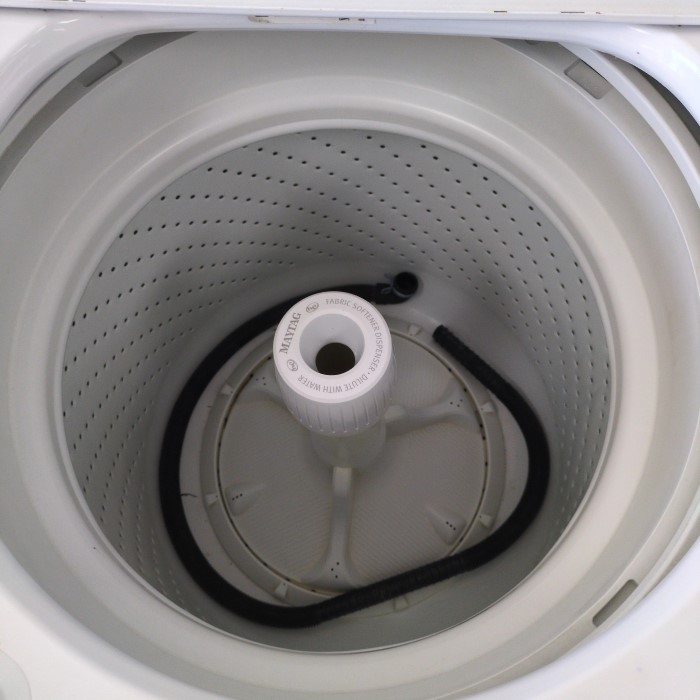
- Hot Water and Mild Detergent: For the best cleaning results, use hot water along with a mild detergent. Hot water effectively kills bacteria and helps remove any stains or residues. Avoid using fabric softeners as they can leave a residue that affects absorbency. Mild detergent will cleanse the towels without causing any damage to the fabric.
- Stain Treatment: If your tea towels have tough stains, consider pre-soaking them in a solution of warm water and detergent before washing. This extra step can help lift stains more effectively.
Avoid Softening Agents
- Impact on Absorbency: Fabric softeners, while they may make fabrics feel softer, can coat the fibers of tea towels, reducing their ability to absorb moisture. This significantly diminishes their effectiveness for drying dishes and cleaning surfaces.
- Alternative Methods for Softness: If you prefer softer towels, consider using vinegar instead. A half-cup of vinegar added to the rinse cycle can soften the towels naturally without compromising their absorbency.
- Rinse Thoroughly: Ensure that you rinse your tea towels thoroughly during the washing cycle to remove any detergent residue. This helps maintain their quality and functionality over time.
Drying Options
- Air-Drying: Air-drying is an excellent option for tea towels. It allows the towels to dry naturally and helps prolong their lifespan. To air-dry, hang them on a drying rack or over a clean, dry area in your kitchen. Make sure they are spread out well to allow for proper airflow.
- Using a Dryer: If you choose to use a clothes dryer, opt for a low-heat setting to reduce the risk of shrinking. High heat can cause cotton and linen fabrics to shrink and may damage the fibers over time.
- Check Dryness: Always ensure that the towels are completely dry before folding or storing them. Damp towels can develop mildew, leading to unpleasant odors and potential bacteria growth.
Storage
- Designated Storage Area: Store your clean tea towels in a designated drawer or basket to keep them organized. This helps you easily find them when needed while keeping your kitchen tidy.
- Dry Environment: Ensure that the storage area is dry and well-ventilated. Avoid keeping towel storage in humid places, as excess moisture can lead to mildew and odors.
- Organize by Use: Consider organizing your tea towels by use. For instance, you could separate kitchen towels used for drying dishes from those intended for food prep. This organization can streamline your kitchen routine.
- Regularly Rotate Towels: To ensure even wear and tear, periodically rotate the towels you use. Having a few on hand allows you to switch them out regularly and keep your kitchen running smoothly.
FAQs About Tea Towels
How are you supposed to use a tea towel?
Tea towels are primarily used for drying dishes, covering rising dough, cleaning surfaces, and wrapping food items. Their versatility allows for numerous applications in the kitchen.
Why isn’t the use of tea towels recommended?
Some caution against the use of tea towels for lengthy tasks due to the potential buildup of bacteria. It’s important to wash them regularly and avoid using the same towel for multiple purposes without cleaning.
Where do people put tea towels?
Many people hang tea towels on oven handles, store them in drawers, or place them in a basket on countertop surfaces. The key is to keep them easily accessible for various uses around the kitchen.
Conclusion: Embrace the Versatility of Tea Towels
What is a tea towel used for? In conclusion, understanding what a tea towel is used for transforms this kitchen accessory into an essential tool for every home cook. With applications ranging from drying dishes to serving food, tea towels enhance both the practicality and aesthetics of your kitchen.
By selecting the right towels and maintaining them properly, you’ll maximize their effectiveness. Embracing the potential of tea towels not only streamlines your cooking process but also adds a charming touch to your culinary endeavors. Start incorporating the use of tea towels into your daily kitchen routine and enjoy their extensive benefits!