





As the fall season approaches, many people ponder the question: is it a sin to celebrate Halloween? This inquiry arises from the intersection of diverse cultural, religious, and personal beliefs. Halloween has transformed from its ancient origins into a modern celebration characterized by costumes, trick-or-treating, and community festivities. Whether you are a parent deciding if it’s appropriate for your children to engage in trick-or-treating or an individual exploring the spiritual implications of Halloween, addressing common myths surrounding this holiday is essential.
The Origins and Evolution of Halloween
Is it a sin to celebrate halloween? To fully appreciate the current perceptions of Halloween, one must first explore its historical origins. Halloween can be traced back to the ancient Celtic festival of Samhain, celebrated at the end of the harvest season. The Celts believed that during this time, the boundary between the living and the dead blurred, allowing spirits to return to the earth. This eerie premise laid the groundwork for the spooky imagery and themes we associate with Halloween today.
Over the centuries, Halloween evolved through the blending of various traditions. As the holiday merged with Christian observances, it became recognized as All Hallows’ Eve. Leading to the celebration of All Saints’ Day on November 1st. The integration of customs such as pumpkin carving, costumes, and mischief created a festival that is fun for children and adults alike. Therefore, when considering whether it is a sin to celebrate Halloween, it is crucial to understand its multifaceted meanings across cultures and beliefs.
Religious Perspectives on Halloween
The Christian Viewpoint
When questioning is it a sin for Christians to celebrate Halloween?, the responses often vary among different denominations and congregations. Some denominations actively discourage participation in Halloween celebrations, arguing that its associations with death, the occult, and the supernatural stand in contradiction to Christian values. Critics express concern that Halloween encourages themes of fear and darkness, which are contrary to the teachings of Jesus Christ.
However, a significant number of Christian communities have diverse perspectives regarding Halloween. In fact, churches around the world have transformed Halloween into an opportunity for outreach and community engagement. Some congregations host “trunk-or-treat” events, where families gather in safe environments to enjoy festivities without the feared elements traditionally associated with the holiday. Here, the focus is not on the darker aspects of Halloween, but rather on building community and fostering relationships.

What Does the Bible Say About Halloween?
The Bible does not specifically mention Halloween, resulting in various interpretations among Christians. Some cite passages that discourage engaging with the occult or practices linked to witchcraft, often pointing to verses from Deuteronomy or Galatians. Yet, others argue that these scriptures are not relevant to modern Halloween celebrations, especially those centered on family and community rather than supernatural elements.
For many Christians, Halloween can be celebrated as a fun, family-oriented holiday. The emphasis can shift from fear to joy, with the notion that celebrations that focus on creativity—such as costumes and festive gatherings—can embody positive values aligning with Christianity. This perception opens up avenues for participation without compromising faith.
Is Halloween an Evil Holiday?
Amidst the ongoing discussion, the question arises: is Halloween an evil holiday? While it is true that some critics view Halloween as a celebration of fear and darkness. This narrative does not encompass the entire range of experiences related to the holiday. For many individuals and families, Halloween represents a time for lighthearted fun, costumes. And community connection rather than an inherently evil occasion.
By shifting the focus away from fear and embracing the creative aspects of Halloween, participants can redefine the holiday’s meaning. Celebrating Halloween as an occasion for enjoyment offers an opportunity to foster relationships, creativity. And community spirit—all positive elements that counter any negative perceptions associated with the day.
Celebrating Halloween in a Family-Friendly Context
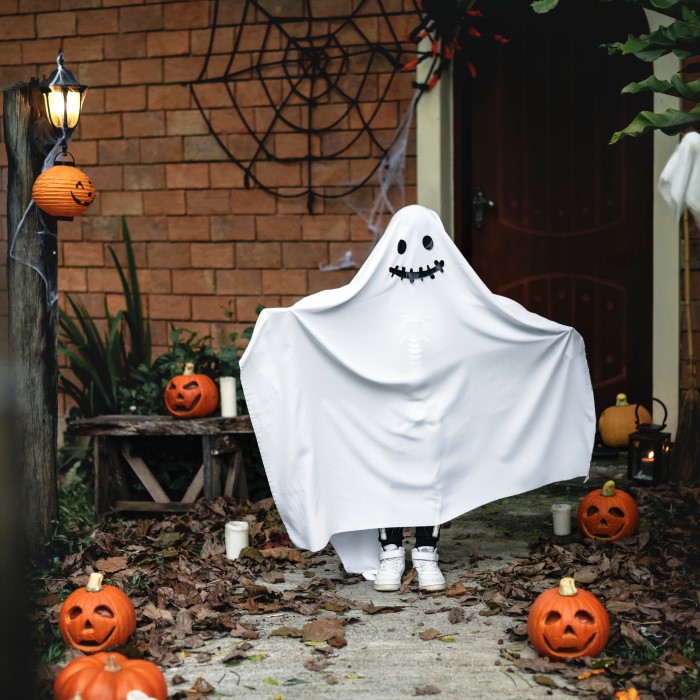
Understanding how to partake in Halloween while maintaining one’s values is essential for many families. Many choose to celebrate Halloween in ways that align with their beliefs and uphold family traditions. Activities such as dressing up, going trick-or-treating, and participating in local events reflect an approach that celebrates togetherness and enjoyment.
Can Christians go trick-or-treating? Generally speaking, the answer is yes. Many Christian families see trick-or-treating as a safe and enjoyable activity that allows for interaction with neighbors and engagement with community. By focusing on elements like fun costumes, friendly neighborly interactions, and shared candies, families can enjoy Halloween while still adhering to their values.
Emphasizing Safety and Enjoyment
Safety is often a priority for parents during Halloween celebrations. It is common for families to choose to trick-or-treat in familiar neighborhoods, ensuring the environment feels secure for children. Focusing on the fun aspects of Halloween allows families to create positive memories that celebrate community and togetherness rather than engaging in themes of fear or darkness.
In addition to trick-or-treating, many families can participate in various family-oriented activities during Halloween. Organizing events like pumpkin carving contests, costume parties, or themed game nights encourages creativity and family bonding. This approach promotes an atmosphere of joy, transforming Halloween into a celebration of togetherness.
The Role of Community in Halloween Celebrations
Within discussions surrounding Halloween, the importance of community cannot be overlooked. Engaging with neighbors, sharing treats, and building relationships all contribute to the larger community spirit of the holiday. Many believe that Halloween can serve as a catalyst for fostering stronger bonds within communities.
For families, learning and understanding the varying perspectives on Halloween can provide valuable insights. Conversations surrounding the holiday’s history and implications can lead to a more enriching experience for both children and adults. The lessons learned about inclusivity, understanding, and creativity can resonate far beyond just a single day of celebration.
Interfaith and Cultural Dialogues Around Halloween
Promoting Interfaith Dialogue:
-
- As communities grow increasingly diverse, Halloween becomes a focal point for fostering interfaith discussions. Various traditions and beliefs surrounding the holiday provide opportunities for individuals to share their perspectives.
- Engaging in dialogue allows people from different faiths to connect and learn from one another, enriching their understanding of each other’s customs and practices.
Understanding Diverse Perspectives:
-
- By exploring how individuals from different cultural and religious backgrounds approach Halloween, communities can foster mutual respect. For instance, some may view Halloween as a secular celebration, while others may see it through a religious lens that emphasizes its historical roots.
- Attaining insights into varying beliefs equips community members to appreciate others’ viewpoints, reducing misunderstandings or misconceptions about the holiday.
Encouraging Mutual Respect:
-
- Conversations about Halloween can cultivate an environment of respect and acceptance. When individuals share their traditions and how they interact with Halloween, it highlights the common ground that exists between cultures.
- This mutual respect encourages individuals to celebrate their customs without feeling pressured to conform to a singular narrative about Halloween.
Creating Inclusive Celebrations:
-
- Promoting an inclusive atmosphere during Halloween allows for various community members to participate in festivities without compromising their beliefs. For example, activities can be organized that focus on creativity and fun rather than fear or negativity associated with the holiday.
- By creating inclusive events, such as community potlucks or themed parties that honor multiple traditions, everyone can feel welcome and engaged in celebrating Halloween together.
Highlighting Common Values:
-
- Dialogue around Halloween can also emphasize the shared values that transcend cultural divides. Themes of community, respect, and creativity are intrinsic to the holiday and resonate across various cultures and faiths.
- Celebrating these common values can strengthen relationships within diverse communities, encouraging solidarity and collaboration during Halloween and beyond.
Building Community Bonds:
-
- Engaging in interfaith conversations during Halloween cultivates a sense of community. When people come together to discuss their varied traditions, it fosters deeper connections among individuals.
- Building these relationships can lead to more collaborative events in the future, strengthening the bond between different groups while promoting understanding.
Organizing Interfaith Events:
-
- Communities can organize interfaith events that celebrate Halloween in a way that respects the beliefs of all participants. For instance, hosting workshops on pumpkin carving, costume designing, or hosting film nights featuring Halloween-themed family movies can provide inclusive ways to enjoy the holiday.
- These events can be tailored to incorporate elements from various cultural traditions. Fostering a spirit of unity while allowing everyone to celebrate in their unique ways.
Encouraging Open Dialogue:
-
- Facilitating open dialogue about Halloween can contribute to ongoing conversations about culture and religion within the community. When people feel comfortable discussing their beliefs, it can lead to constructive conversations that promote understanding.
- Such discussions can explore the potential conflicts or synergies between various traditions. Allowing for deeper appreciation of diverse practices and fostering an ongoing culture of dialogue and respect.
Educational Opportunities:
-
- Communities can use Halloween as an educational opportunity. Schools and local organizations may hold workshops or informational sessions where individuals can share the significance of their traditions related to the holiday.
- By educating one another, community members build awareness and appreciation for the customs that define different cultures. Reflecting the complexity of the world we live in.
Celebrating Diversity through Halloween:
-
- Ultimately, Halloween can serve as a means to celebrate diversity within communities. By collectively recognizing different traditions and accommodating various beliefs, communities can embrace the spirit of Halloween in a manner that honors everyone.
- This collective celebration fosters a sense of unity, turning Halloween into a festival that encapsulates the rich tapestry of cultural diversity, compassion, and mutual respect.
Conclusion
In conclusion, the question is it a sin to celebrate Halloween sparks a range of opinions deeply entrenched in cultural, religious, and individual beliefs. Understanding the origins, religious views, and community aspects of Halloween can clarify its meaning for individuals and families alike.
While some may choose to abstain from Halloween due to concerns over its implications, many embrace the opportunity to celebrate creativity and community bonding. Focusing on positive engagement and enjoyment can redefine Halloween, showcasing the value of shared experiences that promote goodwill among all. Ultimately, Halloween should be viewed as a unique occasion that, when approached thoughtfully, can manifest into a deeply enriching celebration for individuals, families, and communities.