




Introduction: Embrace the Halloween Spirit
Halloween is a season full of excitement, creativity, and of course, spookiness. If you’re looking for a way to elevate your Halloween decorations without breaking the bank, fake spider web is your best friend. This affordable decor item not only sets the eerie ambiance for your festivities but also adds a playful twist to any Halloween-themed setting. In this article, we’ll explore various aspects of using fake spider web to enhance your Halloween vibe, answer common FAQs, and provide creative ideas for using this enchanting decor item.
Why Choose Fake Spider Web for Halloween Decorations?
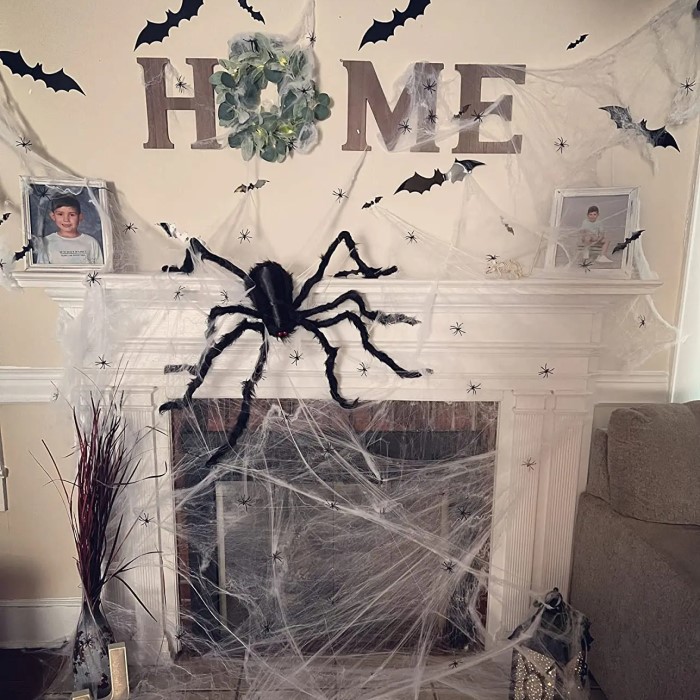
When it comes to Halloween, the aim is often to scare and delight. In this context, fake spider web serves multiple purposes. First and foremost, it is an effective visual element that can transform any location into a haunted scene. Whether you’re preparing for a Halloween party or simply looking to enhance your home’s aesthetic, myriads of options are available. Moreover, fake spider web is versatile; it can be stretched, shaped, and layered in countless ways. For example, draping it across furniture or securing it in doorways creates a creepy yet welcoming atmosphere for guests. Not only does it evoke the thrill of the season, but it’s also a playful addition that sparks conversations.
Creative Ideas
1. Doorways and Entryways
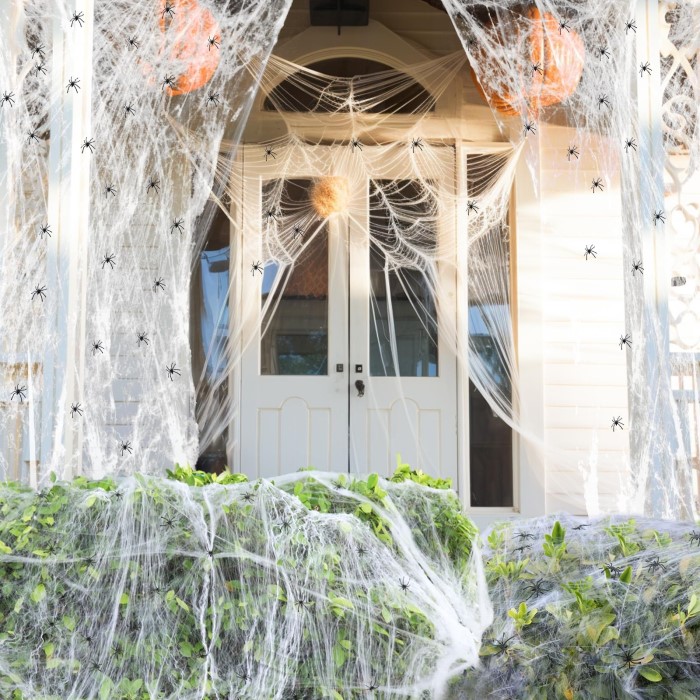
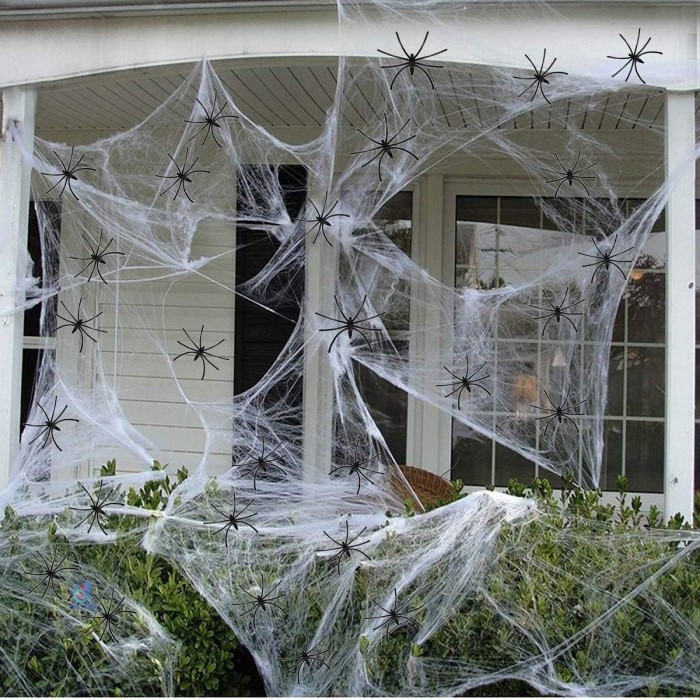
One of the easiest ways to utilize fake spider web is by adorning your front door or entryway. Stretching it across the entrance adds an instant spooky touch. To make it even more engaging, you can incorporate small plastic spiders, ghostly figures, or even glowing LED lights. This creates a haunting welcome for trick-or-treaters and party guests alike.
2. Spooky Table Settings
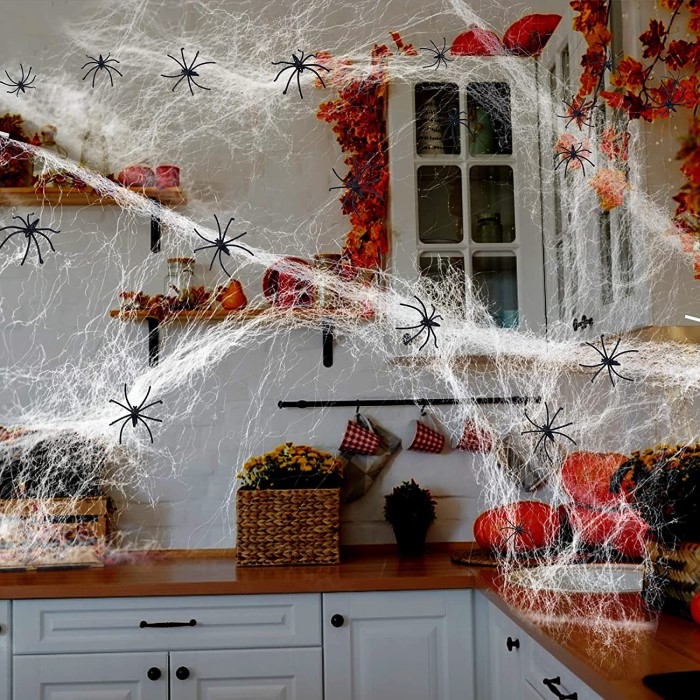
Fake spider webs can also enhance your dining experience. Imagine hosting a Halloween dinner party with your table covered in stretched webs. Combine this with pumpkin centerpieces or eerie candlelight for a truly immersive experience. You can even use it to wrap around tableware for an extra haunting effect. Guests will surely appreciate the attention to detail.
3. Indoor Spookiness
Choosing the Right Areas for Decoration:
-
- Begin by assessing your living space to identify areas that can effectively showcase the fake spider web. Look at corners, ceilings, and high places where the web can create a dramatic effect.
- Consider using spaces that often go unnoticed, such as the area behind furniture or above doorways, as these spots can amplify the eerie atmosphere without overwhelming the design.
Using Ceilings as a Canvas:
-
- Drape the fake spider web from the ceiling to create the illusion of a looming spider-infested space. The height adds depth and makes the web more visible from various angles.
- For a more immersive effect, let the strands cascade down and hang loosely, mimicking how real spider webs would look in a natural setting.
Wrapping Furniture:
-
- Take the time to wrap fake spider web around furniture pieces like chairs, tables, or even banisters. This technique not only adds to the decorative element but also draws attention to your furnishings.
- Ensure the web is placed in a way that maintains visibility. Avoid completely obscuring essential furniture pieces, as you want to keep the decor playful rather than obstructive.
Obscuring Light Fixtures:
-
- Use fake spider web to cover light fixtures, creating a dim, atmospheric glow in your room. This technique can produce haunting shadows and enhance the spookiness of the environment.
- Consider using the web around lampshades or ceiling lights, making sure that you do not block the light completely; a soft glow through the web will heighten the eerie effect.

Creating an Unsettling but Fun Atmosphere:
-
- The primary goal is to strike a balance between spooky and enjoyable. Adding fake spider webs should elevate the ambiance, making it perfect for Halloween gatherings or spooky movie nights with friends.
- Aim for a look that feels immersive yet still enables guests to enjoy themselves without feeling overwhelmed or uncomfortable.
Avoiding Over-decoration:
-
- While it can be tempting to go all out with your decorations, it’s crucial to maintain a level of subtlety. Overdoing it can lead to a cluttered appearance rather than a strategically spooky vibe.
- Focus on key areas and elements, allowing the fake spider web to enhance your decor without it becoming the sole focal point of the room. Less can often be more when it comes to achieving an effective horror aesthetic.
Complementing with Other Decor:
-
- Pair your fake spider web with additional Halloween decorations such as plastic spiders, bats, or ghostly figures. This layering can create a multidimensional atmosphere.
- Use color schemes that match the season, such as oranges, blacks, and purples, to amplify the holiday spirit while keeping everything cohesive.
Regular Maintenance:
-
- Keep in mind that fake spider webs can accumulate dust, so consider regular maintenance. A quick dusting or repositioning will keep your decor fresh and inviting throughout the Halloween season.
- If you notice any areas that seem sparse or frayed, take the time to enhance them, ensuring that your haunted look remains polished and intentional.
DIY: How to Create Your Own Spider Web
For those who enjoy hands-on activities, creating your own fake spider web can be a fun project. To start, you’ll need materials such as cotton, tulle, or even yarn. Here’s a simple guide:
Gather Materials
- Select Your Base Material: Begin by choosing the type of material you want to use for creating your fake spider web. Some great options include:
- Cotton Balls: These are soft, fluffy, and easy to mold, making them perfect for creating a realistic web effect.
- Synthetic Fiberfill: This material is commonly used in crafting and can easily be pulled apart and shaped. It also has a light texture that mimics spider silk well.
- Old Fabric: If you have any worn-out fabric lying around, it can be repurposed to create webs. Look for thin, lightweight fabrics that can be easily torn or stretched.
- Consider Color and Texture: Think about the color and texture of the chosen materials, as these factors will influence the overall appearance of your fake spider web. Traditional white or off-white materials work well for a classic look, while darker colors can add a more eerie effect.
Shape and Stretch
- Prepare the Material: Begin by taking your selected material and breaking it apart gently. If using cotton balls, pull them into smaller pieces. For synthetic fiberfill, gently separate it to avoid clumping.
- Create Web-Like Strands: Start stretching the separated pieces by gently pulling them in different directions. This will allow you to create thin, web-like strands that resemble actual spider silk.
- Adjust the Thickness: As you stretch, adjust the thickness of each strand to add variety. Thinner strands can create a delicate look, while thicker strands can provide a more substantial appearance.
- Layer for Depth: For added realism, consider stretching several layers of material over one another. This layering can replicate the complex design of a real spider web, making your decorative piece more visually interesting.
Secure the Web
- Choose Your Attachment Method: Decide whether you will use tape or pins to secure your finished web. Both methods are effective, but the choice depends on where you plan to display your web.
- Tape: Double-sided tape or regular tape can be used to attach the web to walls, furniture, or any flat surface. It’s easy to remove and won’t leave any residue if you plan to take down the decorations after Halloween.
- Pins: If you’re working with a fabric or a soft surface, using pins may provide a firmer hold. Just be cautious when pinning to avoid damaging the underlying material.
- Position the Web: Place the web in your desired location, ensuring it is stretched adequately to give a realistic effect. Attach it by securing both ends, allowing the middle section to droop slightly for a more authentic appearance.
- Adjust and Refine: After securing, step back and take a look at your web from a distance. Make adjustments as needed by pulling on the strands to create a more cohesive look, ensuring the web looks natural and intricate.
- Incorporate Additional Elements: For a final touch, consider adding small plastic spiders or other Halloween-themed decorations entwined in the web to enhance its creepiness and overall impact.
This DIY approach allows for customization, encouraging creativity while ensuring that the decor fits your style perfectly.
What Are Fake Spider Webs Made Of?
Most commercially available fake spider webs are made from a combination of synthetic fibers such as polyester or nylon. These materials are designed to mimic the appearance of real spider silk while being lightweight and easy to work with. Their flexibility makes them ideal for draping, stretching, and manipulating into various shapes or forms. This versatility contributes to their popularity, especially when preparing for the spookiest time of year.
Why Are Fake Spider Webs Considered Bad?
Although fake spider webs add aesthetic appeal, they can be harmful in certain contexts. For one, they can create a tripping hazard if not placed carefully. Also, some people may have allergies to the synthetic materials used in creating these webs, leading to respiratory issues or skin irritations. Therefore, it’s essential to consider the health and safety of your guests when decorating with them. Additionally, while they beautify indoor spaces, fake webs can accumulate dust and grime over time, necessitating regular cleaning.
Is Artificial Spider Silk Possible?
Recent scientific advancements have made artificial spider silk a topic of great interest. Researchers are not only inspired by the natural silk produced by spiders but are attempting to synthesize it for various applications, ranging from textiles to medical devices. The idea is to replicate the strength and lightweight characteristics of natural silk. Though still in the experimental stage, this approach tantalizes scientists and innovators alike, sparking conversations about the future of this fascinating material.
Conclusion
As Halloween approaches, consider using fake spider web to elevate your decor. This affordable and versatile material allows you to embrace the spooky spirit while ensuring that you maintain an enjoyable atmosphere for your guests. From creative DIY projects to stunning table settings, the possibilities are endless. Remember to balance your spooky aesthetics with safety measures to ensure a fun and memorable Halloween experience for everyone. So gather your materials, get creative, and let the ghostly vibes flow through your home this Halloween season!