




What Is a Tray Ceiling?
What is a tray ceiling? Tray ceilings are a unique architectural feature often seen in homes and commercial spaces. They create a sense of depth and sophistication, enhancing a room’s aesthetic appeal. But what exactly makes up a tray ceiling? Let’s explore its definition, origin, and key characteristics.

Definition and Origin of Tray Ceilings
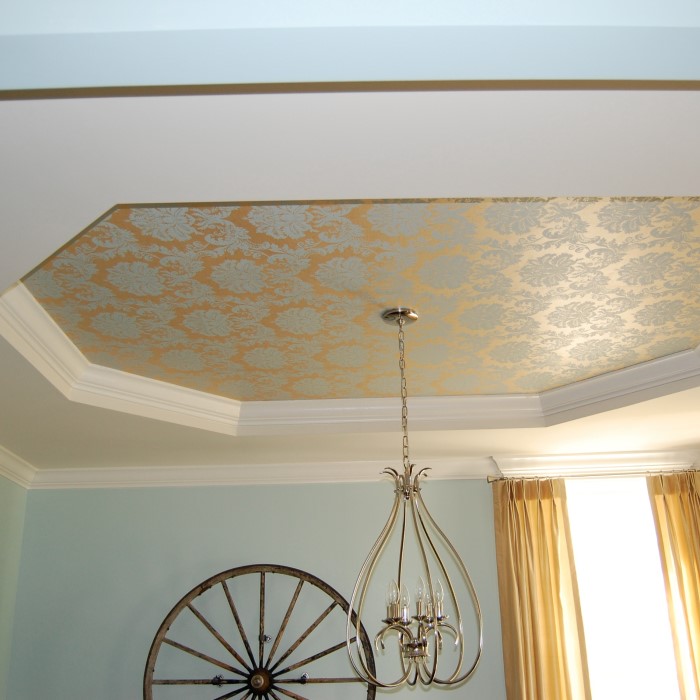
A tray ceiling is a recessed or inverted ceiling design. It features a central section that’s higher than the surrounding edges. Sometimes, it appears as if an inverted tray has been placed on the ceiling.
The history of tray ceilings stretches back centuries. Originating in grand architectural designs, they were commonly seen in European castles and Renaissance buildings. Today, they are a staple in contemporary and traditional homes alike.
Tray ceilings contribute to a room’s luxury and elegance. They often include additional decorative elements like moldings or painted accents.
Key Features of Tray Ceilings
- Multiple Elevations: Tray ceilings feature different levels, creating a multi-dimensional effect.
- Border or Frame: The perimeter of the recessed area often has trim or molding for added detail.
- Custom Shapes: Most are rectangular, but circular and other custom shapes are also possible.
- Decorative Additions: Accent lighting, unique finishes, or bold paint colors highlight their design.
- Room-defining: Tray ceilings can define spaces, like dining or seating areas, in open layouts.
These features make tray ceilings not only visually appealing but also versatile in various interior styles.
Types of Tray Ceilings
What is a tray ceiling? Tray ceilings come in various designs, each with unique features and applications. Understanding these types helps you choose the right one for your space.
Traditional Tray Ceilings
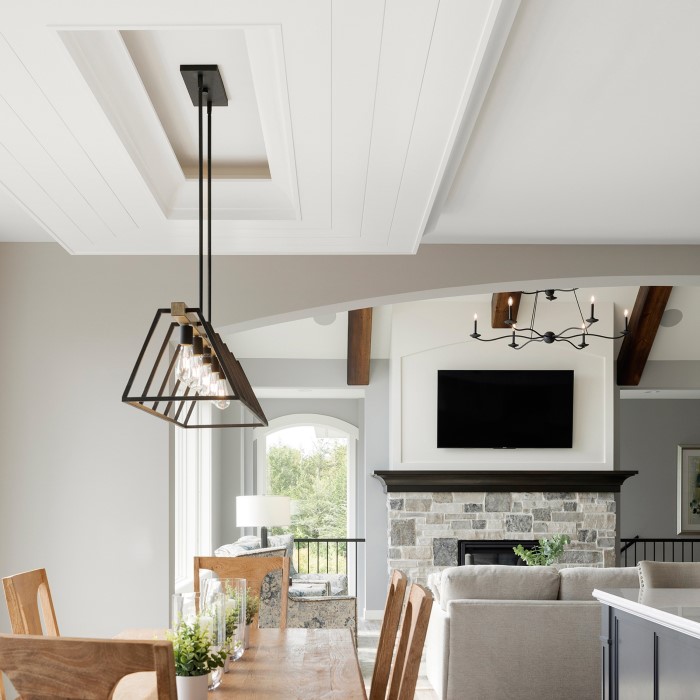
Traditional tray ceilings have a recessed central area with raised edges. They are often rectangular and frequently include trim or molding. These ceilings add a classic and timeless look to rooms. They work well in dining rooms, living rooms, and bedrooms where elegance is desired.
Inverted Tray Ceilings
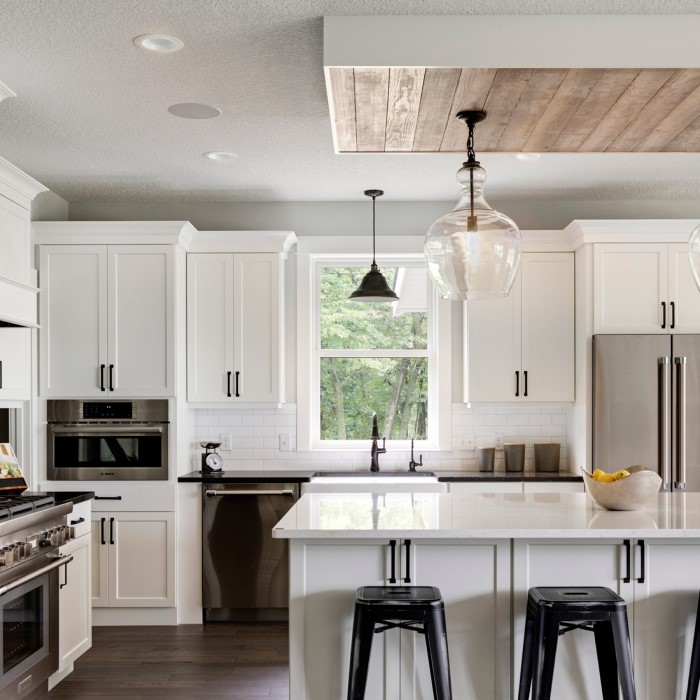
Inverted tray ceilings feature a central section lower than the surrounding edges, reversing the standard design. This type creates a dramatic focal point, especially in modern or minimalist spaces. It enhances the visual interest of a room while maintaining a clean, contemporary aesthetic.
Custom Shaped Tray Ceilings
Custom-shaped tray ceilings go beyond standard rectangles. They include circular, oval, and irregular shapes. These ceilings allow for creative designs tailored to the home’s architecture. Custom shapes often include additional decorative touches like accent lighting or textured finishes, increasing the uniqueness of the space.
Benefits of Tray Ceilings
Tray ceilings offer several advantages that significantly enhance your living space. They are not only visually appealing but also functional, creating an ambiance that feels luxurious and unique.
Enhancing Room Depth and Dimension
Tray ceilings add depth and character to any room. The recessed design makes ceilings appear taller. This creates an illusion of spaciousness, making small rooms feel larger. Multiple elevations further add texture and complexity to the design.
Boosting Property Value
Tray ceilings are considered a high-end architectural feature. They can increase the aesthetic appeal of your home. This often translates to higher property value during resale. They signal attention to detail and quality craftsmanship, attracting potential buyers.
Increasing Natural Lighting
Tray ceilings can make rooms brighter by using strategic lighting placements. Recessed lighting or LED strips highlight the design. In spaces with windows, light reflects off painted finishes, amplifying natural light. This creates a warm, inviting atmosphere throughout the day.
Popular Materials and Finishes for Tray Ceilings
What is a tray ceiling? Tray ceilings can be customized using a variety of materials and finishes for stunning results. The choice of material affects durability, aesthetic appeal, and the cost of installation. Each finish type lends a unique touch to your space and supports different styles.
Wood and MDF Options
Wood and MDF (Medium-Density Fiberboard) are popular materials for tray ceilings. MDF is a cost-effective alternative to wood and provides smooth surfaces for intricate designs. Both materials can incorporate decorative trims, moldings, or panels for a polished look.
Metal and Tin Finishes
Metal ceilings, including tin finishes, add an industrial or vintage vibe to your space. Tin panels are lightweight and showcase intricate patterns, making them ideal for classic or rustic designs. Metal finishes are durable and fire-resistant, ensuring safety and long-term use. These materials often pair well with accent lighting for added drama.
Painted and Textured Designs
Painted tray ceilings offer endless possibilities for personalization. Choose bold colors to make a statement or soft hues for subtle elegance. Textured finishes, like plaster or faux techniques, add visual interest and depth. These designs often work best in contemporary or artistic spaces, enhancing the overall aesthetic.
Using the right materials and finishes can elevate the look of tray ceilings. Match them to your room’s style and lighting for maximum impact.
Best Rooms for Tray Ceilings
Tray ceilings add style and elegance to various rooms. They enhance aesthetics and improve functionality. Let’s explore the best spaces for installing tray ceilings.
Living Rooms and Dining Areas
Living rooms and dining areas are perfect for tray ceilings. These spaces often serve as entertainment areas. A well-designed tray ceiling enhances their appeal and creates a focal point.
In living rooms, tray ceilings can define seating zones, adding structure to open layouts. Accent lighting in trays further enhances the ambiance. This makes the room inviting and cozy for guests.
In dining areas, tray ceilings add a touch of formal elegance. They pair well with chandeliers or pendant lights for a dramatic effect. Bold paint or decorative trim can elevate the dining experience.

Bedrooms and Master Suites
Bedrooms and master suites benefit greatly from tray ceilings. They create a tranquil and luxurious atmosphere. Raised-center designs can make smaller bedrooms feel more spacious and relaxing.
Tray ceilings lend themselves to creative lighting solutions in bedrooms. Cove lighting or recessed fixtures add a soft, calming glow. Homeowners often use painted finishes to reflect personal style, matching the room’s decor.
In master suites, tray ceilings provide an opportunity for unique designs. Intricate moldings and textured finishes elevate their sophistication. This enhances the quality and comfort of your private space.
Kitchens and Bathrooms
Kitchens and bathrooms are less traditional but increasingly popular locations for tray ceilings. In kitchens, they can define cooking or dining areas in open-concept designs. Tray ceilings also allow for functional lighting, such as LED strips or recessed fixtures.
In bathrooms, tray ceilings add a spa-like vibe. Custom shapes or textured finishes make the space unique. Lighting features like dimmable recessed lights enhance relaxation during baths.
Tray ceilings transform these spaces, adding value and charm to your home. Choose practical designs tailored to the needs and aesthetics of each room.
Tray Ceiling Lighting Options
What is a tray ceiling? Tray ceilings provide excellent opportunities to integrate creative lighting designs. The right lighting not only highlights the tray ceiling’s structure but also enhances the ambiance of your room. Here are some popular lighting techniques to consider for tray ceilings.
Recessed Lighting Techniques
Recessed lighting is one of the most popular lighting options for tray ceilings. It involves installing fixtures within the ceiling itself, creating a clean and modern look.
- Edge Illumination: Lights placed along the recessed edges emphasize the unique tray design.
- Focused Lighting: Adjustable recessed lights can highlight art pieces or specific areas in the room.
- Dimmable Options: Use dimmable fixtures to add versatility and create mood lighting.
The discreet nature of recessed lighting suits both contemporary and traditional interiors. It provides ample illumination without overwhelming the ceiling’s aesthetics.
Pendant and Chandelier Integrations
Pendant lights and chandeliers are perfect for adding elegance to tray ceilings. They create a dramatic focal point and complement the recessed design.
- Central Statement: A large chandelier can anchor the room below, enhancing its sophistication.
- Grouped Pendants: Use multiple pendant lights for modern flair, especially in dining areas or kitchens.
- Scale and Proportion: Choose fixtures that suit the room size and tray shape for balanced design.
Chandeliers and pendants work exceptionally well with bold tray ceilings in formal spaces like dining rooms or master suites.
LED Strip and Cove Lighting
LED strips and cove lighting solutions are ideal for a subtle, ambient glow. These low-profile fixtures are hidden within the tray edges, creating indirect light.
- Warm Ambiance: Opt for warm LEDs to give the room a cozy, inviting feel.
- Colorful Effects: Use RGB LED strips for dynamic, colorful lighting that enhances creative designs.
- Energy Efficiency: LEDs are cost-effective and consume less energy, making them an eco-friendly choice.
Cove lighting works beautifully in modern settings and pairs well with textured or painted tray finishes.
Selecting the right lighting enhances the beauty of tray ceilings. Combine functionality with style to transform your spaces effectively.
How to Incorporate Tray Ceilings in Your Home
Tray ceilings can transform a room, but proper planning is essential. Whether hiring professionals or attempting a DIY project, understanding the process ensures satisfying results.
Planning and Design Considerations
- Assess the Space: Evaluate your ceiling height and room dimensions. Tray ceilings work best in spaces with tall ceilings.
- Choose a Design: Decide on the tray ceiling style and shape. Options include traditional, inverted, or custom forms.
- Determine Purpose: Identify how you want the tray ceiling to function. Is it aesthetic or does it define spaces?
- Align with Room Style: Ensure the design complements the existing decor, furniture, and architectural elements.
- Plan Lighting: Choose lighting features, such as recessed LEDs or chandeliers, to enhance the tray.
Discuss all these factors with a professional or take measurements carefully for accurate planning.
Working with a Contractor
- Hire a Specialist: Work with a contractor experienced in designing and installing tray ceilings.
- Budget Wisely: Set a realistic budget for materials, labor, and additional features like lighting.
- Get Approvals: Check local building codes or permit requirements before starting the project.
- Communicate Clearly: Share your design ideas, preferred materials, and finishes with the contractor. Clear communication minimizes errors.
- Inspect the Work: Monitor the project’s progress to ensure quality and timeliness. Address issues immediately.
Professional contractors offer skills and tools to create flawless and durable tray ceilings.
DIY Tips for Tray Ceiling Projects
- Start Simple: Choose a basic tray ceiling layout if you’re a beginner at DIY.
- Use Accurate Tools: Invest in high-quality tools for precise measurements and cuts.
- Select Easy Materials: MDF or lightweight wood panels are easier to handle for first-time projects.
- Follow Instructions: Use online tutorials or guides tailored to tray ceiling designs.
- Emphasize Safety: Wear protective gear and follow safety standards when using power tools.
With careful planning, DIY tray ceiling projects can save money while adding personal creativity.
Proper execution of these steps ensures a stunning and functional tray ceiling in your home.
Common Mistakes to Avoid with Tray Ceilings
Tray ceilings can elevate a room’s appeal, but mistakes during planning or installation can detract from their impact. Here are common pitfalls to avoid:
Overcomplicating Design
Complex designs may overwhelm small rooms or mismatched decor. Keep the tray ceiling simple and elegant. Avoid unnecessary patterns or excessive moldings. Let the design complement the room rather than dominate it. When in doubt, focus on subtle details that enhance functionality and style.
Ignoring Ceiling Height Constraints
Tray ceilings work best in rooms with high ceilings. Installing them in low-ceiling spaces reduces clearance, making rooms feel cramped. Measure ceiling height before designing a tray ceiling. A minimum of 9 feet is recommended for optimal effect. For lower ceilings, consider alternatives, like coffered ceilings or simple moldings.
Skimping on Materials and Finishes
Cheap materials or poor-quality finishes compromise the ceiling’s appearance and durability. Choose materials like wood, MDF, or metal for longevity. Invest in high-quality paint, moldings, and lighting fixtures. Skimping on these elements detracts from the room’s overall look and may need costly repairs later. Prioritize quality to maximize aesthetic and functional benefits.
Conclusion: Embracing the Elegance of Tray Ceilings
In conclusion, understanding what is a tray ceiling allows homeowners to appreciate its beauty and functionality. These ceilings provide significant aesthetic and spatial benefits that enhance the overall design of a room. The latest trends for 2025 showcase innovative ideas that incorporate bold colors and cutting-edge lighting solutions.
Embracing a tray ceiling design can create a sense of timeless luxury in your home. As you consider upgrades to your living space, think about the potential of a tray ceiling to transform your environment. With the right planning and execution, your home will embody elegance and creativity for years to come!