



Introduction: The Importance of Proper Hair Drying Techniques
When it comes to hair care, one of the most overlooked aspects is how to dry your hair after washing. How to wrap hair in towel is a crucial skill that can greatly affect your hair’s health and appearance. Irrespective of your hair type, improper drying can lead to frizz, breakage, and loss of shine. This article will explore effective techniques for wrapping hair in a towel and how these methods can help minimize frizz, ensuring your locks remain smooth and healthy. Whether you have curly, straight, or wavy hair, the following tips and tricks will help you master the art of towel-wrapping.
Benefits of Wrapping Hair in a Towel
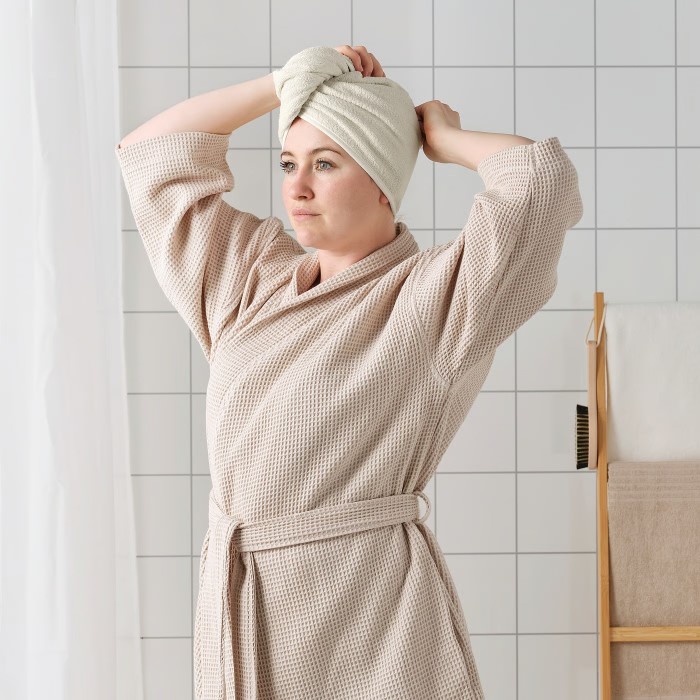
Wrapping your hair in a towel offers more than convenience. It promotes healthier and more manageable hair by protecting strands from damage and improving your drying routine. Below are some key benefits of this simple practice.
Reducing Hair Damage
Towel wrapping minimizes friction, which reduces hair breakage and split ends. Unlike vigorous towel rubbing, wrapping keeps hair strands intact. It protects wet hair, which is more vulnerable to damage due to its porous nature. A gentle wrap avoids tugging and snapping, especially for delicate or processed hair types.
Speeding Up Drying Time
Wrapping absorbs excess water efficiently, cutting down air-drying or blow-drying time. This method locks in moisture without soaking your clothes or dripping water. Quicker drying is not only convenient but reduces heat exposure from styling tools.
Maintaining Hair Health
Towel wrapping helps maintain hair’s natural oils. It prevents overwashing effects caused by constant wet exposure. Additionally, using the right towel material aids in reducing frizz and improves hair texture. This habit supports healthier, shinier, and smoother hair over time.
Choosing the Right Towel for Your Hair
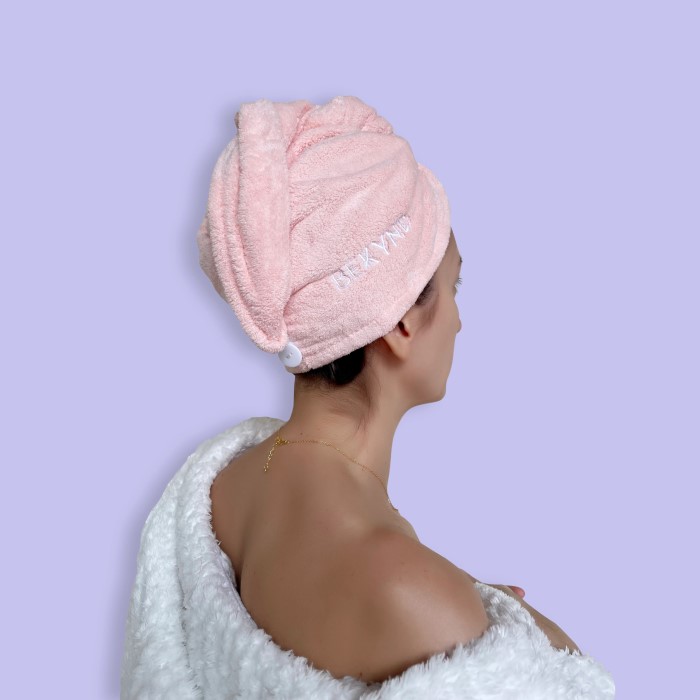
Choosing the correct towel is vital for efficient hair drying and avoiding damage. The material, size, and thickness of the towel can affect your hair’s health and drying outcome. Selecting the perfect towel ensures comfort and optimizes results.
Best Materials for Hair Towels
The material of a towel significantly impacts its performance and the health of your hair. Here are the best materials to consider:
- Microfiber: Microfiber towels are soft, absorbent, and reduce frizz. They prevent hair breakage, making them ideal for all hair types.
- Cotton: Cotton towels are gentle and breathable. Opt for soft, high-quality cotton to protect your strands.
- Bamboo Fiber: Bamboo towels offer natural antibacterial properties and are eco-friendly. They are soft, absorbent, and ideal for delicate hair.
Avoid rough-textured towels or synthetic fabrics that can create friction and damage hair strands. Prioritize lightweight and smooth fabrics for the best results.
Size and Thickness Considerations
The size and thickness of a towel matter for functionality and comfort. Here’s what you should look for:
- Size: Choose a towel size that comfortably wraps your hair without excess bulk. Large towels are suitable for long or thick hair, while smaller ones work well for short hair.
- Thickness: Avoid overly thick towels, as they can feel heavy and uncomfortable. Thinner options dry quickly and are easier to wrap securely.
A lightweight, properly sized towel with a suitable thickness ensures a hassle-free drying routine without straining your neck or scalp. Selecting the right towel enhances your hair care experience.
Step-by-Step Guide to Wrapping Hair in a Towel
Wrapping your hair in a towel is a practical way to dry it gently. To ensure the best results, follow these simple steps tailored for different hair lengths and conditions.
Preparing Your Hair Before Wrapping
Preparation is key for effective towel wrapping. Follow these steps to lay the groundwork:
Remove Excess Water
- Gentle Technique: After washing your hair, it’s important to remove excess water without causing damage. Instead of rubbing your hair vigorously with a towel, gently squeeze your hair with your hands. This light pressure helps to extract water without creating friction, which can lead to frizz or breakage.
- Avoiding Heat Damage: When you leave too much water in your hair, it can lengthen drying time and increase the likelihood of heat damage if you use styling tools afterward. By removing the excess water, you prepare your hair for either air drying or heat styling, reducing the chance of damaging your strands.
- Focusing on the Ends: Concentrate on squeezing the excess water from the mid-lengths to the ends of your hair, where the water tends to accumulate the most. This method ensures that your roots remain damp, which can be beneficial if you plan to apply leave-in products.
- Choosing the Right Towel: Consider using a microfiber towel or an old cotton t-shirt instead of a regular bath towel. These materials are less abrasive and absorb moisture effectively without causing friction or roughing up the hair cuticle.
- Patting Instead of Rubbing: If you do use a towel to dry your hair, opt for patting rather than rubbing. Patting your hair gently helps to wick away water without disrupting your natural curl pattern or creating tangles.
Apply Hair Products
- Importance of Leave-In Products: After removing excess water, apply a leave-in conditioner or serum to provide your hair with added moisture and protection. These products are designed to remain in your hair, ensuring continuous nourishment throughout the day.
- Choosing the Right Product: Select a leave-in conditioner or serum that suits your hair type. For example, if you have dry or coarse hair, look for products that are rich in moisture, while those with fine or oily hair may prefer lighter formulas to avoid weighing their hair down.
- Even Distribution: After applying your leave-in product, use your fingers to ensure it is evenly distributed throughout your hair. Concentrate on the ends, which are often the most damaged, while applying a smaller amount near the roots to avoid excess oiliness.
- Additional Benefits: Many leave-in conditioners and serums offer extra benefits, such as UV protection or heat styling aids. Utilizing these products can help protect your hair from environmental damage and prepare it for any styling tools you may use later.
- Daily Maintenance: Incorporating leave-in products into your hair care routine can significantly improve overall manageability, shine, and hydration. Regular use helps maintain healthy hair and can even improve its resilience against breakage.

Detangle Your Hair
- Using the Right Tool: After applying your leave-in product, it’s important to detangle your hair using a wide-tooth comb. This tool is less likely to cause damage than a regular brush, making it ideal for gently working through any knots.
- Starting from the Bottom: Begin detangling your hair from the ends and gradually work your way up toward the roots. This method minimizes pulling and reduces breakage, as it allows you to address tangles in a more manageable way.
- Working in Sections: For thicker or longer hair, sectioning your hair into smaller parts can make detangling easier. By working on one section at a time, you ensure that every strand is addressed, which helps maintain the overall health of your hair.
- Be Patient: Take your time while detangling, and be gentle with any knots that may be stubborn. Rushing through this process can lead to breakage and split ends, so it’s better to be patient and methodical.
- Detangling Sprays: If your hair is particularly prone to tangling, consider using a detangling spray or a leave-in conditioner that offers detangling benefits. These products can provide extra slip, making the process smoother and less painful.
Proper preparation ensures your hair stays healthy and manageable after towel wrapping.
Proper Techniques for Wrapping Short Hair
How to wrap hair in towel? Short hair requires a slightly different approach for effective towel wrapping:
- Choose a Small Towel: Opt for a lightweight towel suited for shorter strands.
- Position the Towel: Place one edge of the towel at your hairline.
- Start Wrapping: Fold and twist the towel around your head like a turban.
- Secure the Wrap: Tuck the end securely under the twist.
Using the right technique ensures your short hair dries efficiently without tangles.
Proper Techniques for Wrapping Long Hair
Long hair demands more attention to ensure a successful wrap. Follow these steps:
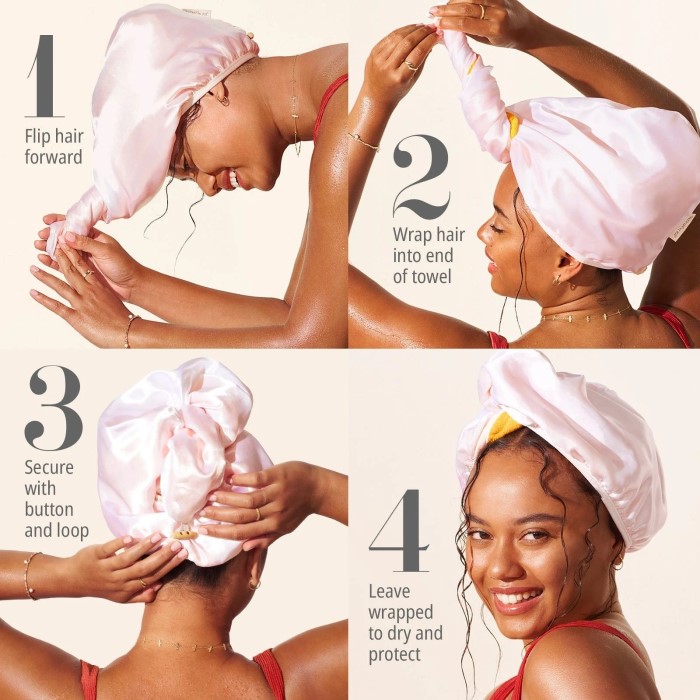
- Use a Large Towel: Pick a towel big enough to cover the entire length of your hair.
- Gather Your Hair: Flip your hair forward so it gathers at the top of your head.
- Wrap & Twist: Place the towel at the nape of your neck, then twist it around your hair.
- Secure the End: Tuck the towel’s end snugly underneath the twisted wrap.
This method ensures long hair is securely wrapped and dries evenly.
By tailoring these steps to your hair type and length, you’ll achieve an easy and effective towel wrap every time.
Common Mistakes to Avoid When Towel Wrapping
How to wrap hair in towel? Towel wrapping can greatly improve your hair care routine, but some mistakes can lead to damage. By recognizing and avoiding these common errors, you’ll enhance the benefits of this method and keep your hair healthy. Below are the most frequent mistakes people make when wrapping their hair in a towel.
Using a Towel that is Too Heavy
A towel that is too heavy can strain your neck and cause discomfort. It may also put unnecessary pressure on your scalp, leading to hair breakage, especially for fragile hair types. Heavy towels absorb excessive moisture unevenly, leaving some areas damp.
Instead:
- Choose lighter towels made from microfiber or soft cotton.
- Opt for properly sized towels that are easy to manage.
Using the right towel eliminates the risk of strain and ensures balanced moisture absorption.
Wrapping Hair Too Tightly
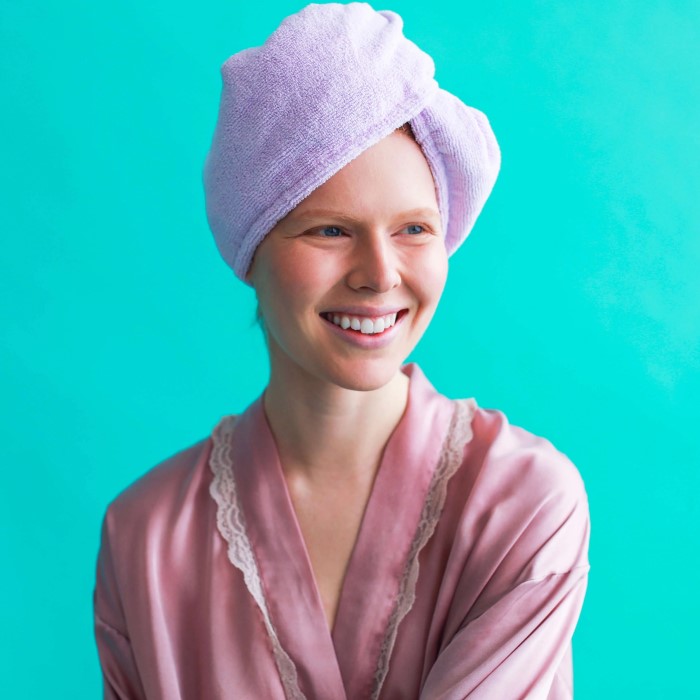
Wrapping your hair tightly can damage hair follicles and lead to breakage. It may also cause headaches and discomfort, especially if the wrap pulls on your scalp. Tight wraps prevent airflow, which can slow down the drying process.
To avoid this mistake:
- Wrap the towel loosely to avoid hair strain.
- Ensure airflow by tucking the towel gently without pulling.
Gentle wrapping keeps your hair healthy and reduces stress on your scalp, promoting smoother drying results.
Alternative Hair-Drying Methods Without a Towel
While wrapping your hair in a towel is effective, it’s not the only option. You can explore gentle alternative methods to manage and dry your hair efficiently. These methods minimize damage and work well for various hair types.
Using a Microfiber Hair Turban
A microfiber hair turban is a convenient and effective alternative to traditional towels. Here’s why and how to use it:
- Gentle on Hair: Microfiber turbans reduce friction and prevent hair breakage and frizz.
- Quick Absorption: They wick away water more efficiently compared to standard towels.
- Lightweight Design: Turbans are easy to wear without straining your neck or scalp.
Steps to Use:
- Place the turban at the back of your head.
- Flip your hair forward into the turban.
- Twist the turban to secure the hair inside.
- Tuck the end of the turban at the nape of your neck.
Using a microfiber turban ensures efficient and damage-free drying, especially for fragile or fine hair.
Air Drying Techniques
Air drying is another natural way to dry your hair without a towel. This method maintains moisture and reduces damage caused by excessive friction or heat.
Benefits of Air Drying:
- Preserves Hair Health: Avoids heat styling and retains your hair’s natural oils.
- Minimizes Frizz: Combines well with anti-frizz products for smooth results.
- Eco-Friendly Option: No extra tools or products are required.
Steps to Air Dry Hair:
- Gently squeeze water out of your hair using your hands.
- Comb through your hair with a wide-tooth comb to detangle.
- Apply a serum or leave-in conditioner for protection.
- Let your hair dry naturally in a well-ventilated area.
Air drying is perfect for those who want minimal hassle and maximum hair health. Combining it with protective products enhances its effectiveness.
Exploring these alternatives allows you to find a method that suits your hair needs while protecting it from damage.
Tips for Maintaining Healthy Hair After Towel Wrapping
Towel wrapping can protect your hair, but good post-care is equally important. The following tips help maintain healthy hair and ensure that you get the most from your drying routine.
Applying Leave-In Conditioners
Leave-in conditioners help lock in moisture and boost hair health after towel wrapping. Here’s why and how to use them:
- Nourishes Hair: These conditioners provide hydration and repair damaged strands.
- Eases Detangling: They smooth hair cuticles and prevent breakage from brushing.
- Reduces Frizz: Anti-frizz formulas leave hair sleek and manageable.
How to Apply:
- After unwrapping, use a leave-in conditioner on damp hair.
- Start from the mid-lengths and work toward the ends.
- Avoid the roots to prevent greasiness.
This simple step keeps hair hydrated and smooth after towel wrapping.
Avoiding Over-Rough Drying
Over-rough handling can damage wet hair and disrupt its natural structure. Follow these tips to be gentle:
- Pat Instead of Rubbing: Avoid rubbing hair with the towel. Gently pat or press to absorb water.
- Use Gentle Tools: Detangle your hair with a wide-tooth comb to avoid pulling.
- Limit Heat Styling: Towel wrapping reduces drying time, so minimize heat tool usage afterward.
Being gentle during and after towel wrapping helps maintain strong, smooth strands. Over time, these practices promote healthier hair and reduce damage caused by rough handling or heat exposure.
FAQ: Wrapping Hair in a Towel
How Long Should You Keep Hair Wrapped in a Towel?
The duration of keeping hair wrapped depends on its length and towel type. Most people leave hair wrapped for 15–20 minutes. This gives the towel enough time to absorb excess water effectively. For long or thick hair, you might need slightly more time. Avoid keeping your hair wrapped for long hours, as it can lead to scalp discomfort or mildew growth in the towel.
Key tips:
- Check dryness after 15 minutes.
- Adjust time based on your hair’s condition.
- Ensure the towel remains dry throughout.
Is It Safe to Sleep with Hair Wrapped in a Towel?
Sleeping with a wrapped towel on your hair is not recommended. Towels can create unwanted friction overnight, causing hair breakage or tangling. They may also restrict airflow to your scalp. Furthermore, a damp towel can encourage bacteria or fungus growth, risking your hair and scalp health.
To avoid damage:
- Unwrap hair before sleeping.
- Air-dry or use protective methods like silk pillowcases.
- Brush out tangles gently before bedtime.
Following these habits ensures your hair stays healthy and damage-free.
Conclusion: Mastering How to Wrap Hair in Towel
In summary, understanding how to wrap hair in towel correctly is a vital skill that can lead to healthier, frizz-free hair. By following the guidelines outlined in this article, you can maximize the benefits of towel-drying while minimizing damage. The right technique begins with choosing an appropriate towel, preparing your hair, and employing effective wrapping strategies.
By combining these practices with proper hair care routines and products, you can achieve and maintain beautiful, smooth hair. Embrace these tips and secrets as you embark on your hair care journey, ensuring gorgeous results every time you step out of the shower! Whether you have curls, waves, or straight locks, these methods will elevate your hair-drying game significantly.