





Introduction
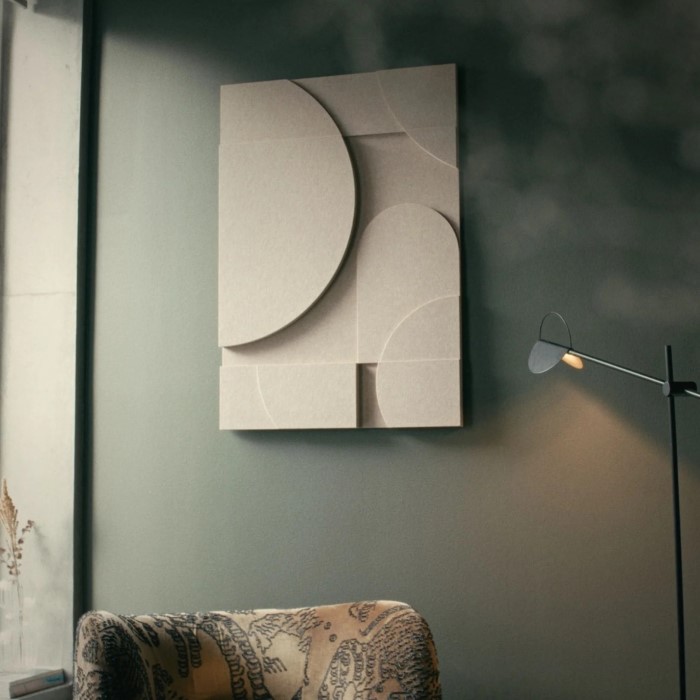
Wabi-sabi, a Japanese concept, emphasizes the beauty found in imperfection, transience, and the natural cycle of growth and decay. This philosophy has become increasingly popular in contemporary design, particularly in home decor. One of the most captivating expressions of wabi-sabi is through wabi sabi wall art. These pieces often feature organic designs that embody simplicity, tranquility, and a connection to nature. Whether you’re looking to create a peaceful retreat or enhance your living space, wabi-sabi wall art offers a unique aesthetic that can transform your surroundings.

In this guide, we will explore the principles of wabi-sabi, the characteristics of wall art inspired by this philosophy, and how to incorporate these organic designs into your home. Additionally, we will address common questions to deepen your understanding of this beautiful art form.
The Philosophy of Wabi-Sabi
To fully appreciate wabi-sabi wall art, it’s essential to understand the philosophy behind it. Originating from Zen Buddhism, wabi-sabi values the beauty in the imperfect and the impermanent. This philosophy teaches that embracing flaws and irregularities can lead to genuine appreciation and mindfulness.
Embracing Imperfection
- Celebrating Flaws: Wabi-sabi encourages individuals to appreciate the flaws and imperfections in life rather than striving for unattainable perfection. This mindset shifts the focus from what is “ideal” to what is real and genuine.
- Unique Stories: Each object, scar, or mark tells a unique story about its journey through time. Whether it’s a handmade pottery piece with an imperfect glaze or a piece of furniture that shows signs of wear, these irregularities add character and depth.
- Personal Connection: By embracing imperfection, individuals can form a stronger connection to their belongings. The small imperfections serve as reminders of experiences, memories, and emotions attached to each item.
- A Shift in Perspective: Adopting this perspective encourages people to rethink their values and priorities. Instead of focusing on striving for perfection, wabi-sabi invites us to seek out beauty in authenticity, leading to a more fulfilling lifestyle.

Transience
- Acceptance of Change: Transience highlights the temporary nature of all things, reminding us that nothing lasts forever. This acceptance can lead to a deeper understanding of life’s cycles, encouraging us to embrace change rather than resist it.
- Cherishing Fleeting Moments: Just as cherry blossoms bloom for a short time before falling, wabi-sabi encourages us to recognize and savor fleeting moments. The beauty of experiences, such as a sunset or a shared laugh, becomes more profound when we understand their impermanence.
- Enhancing Gratitude: By acknowledging the transient nature of life, we cultivate gratitude for the present moment. Each experience, no matter how small, becomes precious when we realize it is part of a fleeting journey.
- Reflection on Mortality: Wabi-sabi also invites contemplation of mortality, reminding us to appreciate life’s temporal nature. This awareness can lead to a greater appreciation of our relationships and the experiences we share.
Connection to Nature
- Inspiration from the Natural World: Wabi-sabi design often draws heavily from nature, incorporating elements that reflect organic forms and patterns. This connection fosters a sense of peace and balance in our living environments.
- Earthy Colors and Materials: The use of earthy tones and natural materials—such as wood, stone, and clay—creates a serene aesthetic that speaks to the calming influence of nature. These elements ground us, providing a sense of stability and comfort.
- Organic Shapes and Forms: Wabi-sabi embraces asymmetry and irregular shapes that mimic the natural environment. This aesthetic contrasts with the rigid, geometric lines often found in modern design, inviting a more fluid and relaxed atmosphere into our spaces.
- Mindfulness and Presence: This connection to nature encourages mindfulness, urging individuals to engage more fully with their surroundings. By bringing the beauty of the natural world into our lives, we cultivate a deeper appreciation for the simple, everyday moments that enrich our experiences.

Characteristics of Wabi Sabi Wall Art
Wabi sabi wall art is distinct in its appearance and design. Here are some characteristics that define this genre of art:
- Organic Shapes: Most wabi-sabi art features flowing, organic lines and forms that reflect nature. These shapes can evoke emotions and create a sense of calmness.
- Natural Materials: Artists often use materials like wood, clay, and stone. These elements not only enhance the earthy quality of the art but also connect viewers to the natural world.
- Subtle Color Palettes: Wabi-sabi wall art typically employs muted colors, such as soft browns, greens, and greys. These hues create a serene atmosphere and allow the textures of the materials to take center stage.
- Textural Variety: Texture plays a vital role in wabi-sabi art. Rough surfaces, uneven edges, and layered elements add depth and intrigue, allowing viewers to experience the piece on multiple sensory levels.
- Layered Meaning: Each piece of wabi-sabi art often embodies a deeper meaning or narrative. Whether it tells a story of resilience or symbolizes the beauty of evolution, these artworks provoke thought and reflection.
How to Incorporate Wabi Sabi Wall Art into Your Home
Integrating wabi sabi wall art into your home can enhance your living space while inviting tranquility. Here are some tips on how to achieve this effortlessly:
Choose the Right Location
- Identify Suitable Spaces: Begin by assessing the areas in your home where you tend to spend the most time. Look for spaces that have a calming atmosphere or where relaxation is important. Common areas include the living room, bedroom, or any cozy nook.
- Consider Natural Light: Take note of how natural light interacts with different spaces. Rooms with abundant light can enhance the organic quality of wabi-sabi art. Consider hanging pieces where sunlight can highlight their textures and colors.
- Create a Relaxing Environment: Choose a location that encourages tranquility and mindfulness. The goal is to create a space that brings peace and serenity, perfectly in line with the philosophy of wabi-sabi. You might also think about areas where you practice mindfulness, such as meditation corners or reading spaces.
Mix and Match
- Explore Different Decor Styles: Wabi-sabi art can seamlessly complement various styles. Look at your existing decor and identify elements that can blend well. For instance, it can enhance minimalist styles with its simplicity or add warmth to rustic settings.
- Combine Elements Thoughtfully: Consider how wabi-sabi art interacts with other styles, such as bohemian or Scandinavian. Mixing these styles can create a unique and personalized aesthetic. For example, pair a wabi-sabi sculpture with layered textiles or abstract paintings with natural wooden furniture.
- Create Balance: While mixing styles, prioritize balance and harmony. Ensure that none of the elements overpower each other. The aim is to create a cohesive look where wabi-sabi art feels like a natural part of the overall decor.

Create a Gallery Wall
- Curate Multiple Pieces: If you have several pieces of wabi-sabi wall art, one effective way to display them is by creating a gallery wall. Collect various artworks that resonate with you, focusing on different shapes, sizes, and textures.
- Plan the Arrangement: Before hanging, lay out the pieces on the floor to experiment with different configurations. Consider a mix of portrait and landscape orientations or varying distances between the pieces to achieve a spontaneous yet thoughtful look.
- Foster a Dynamic Experience: When arranged thoughtfully, a gallery wall can create a visual experience that draws attention and invites contemplation. This eclectic display captures the essence of wabi-sabi by showcasing imperfection and individuality while maintaining a relaxed vibe.
Enhance with Natural Elements
- Incorporate Plants: Adding greenery can significantly enhance the wabi-sabi aesthetic. Choose plants that thrive indoors and require minimal maintenance, such as succulents or snake plants. The organic shapes of plants can complement the artistry of wabi-sabi pieces.
- Choose Wooden Furniture: Opt for furniture made from natural wood with visible grain patterns. The texture and warmth of wood align with the wabi-sabi philosophy, creating an inviting and grounded environment. Consider using reclaimed or distressed pieces for added character.
- Use Organic Textiles: Integrate textiles made from natural materials like wool, linen, or cotton. Consider using throws, cushions, or table runners that feature earthy tones or handwoven patterns. These elements can soften the space and reinforce the organic theme of your decor.
Mindful Display
- Prioritize Simplicity: When arranging your wabi-sabi art, strive for simplicity. Avoid overcrowding your walls with too many pieces or accessories. Instead, let each artwork have its own space to shine.
- Create Breathing Room: Leave ample wall space around each piece, allowing it to breathe. This approach highlights the art’s unique features and enhances the viewer’s ability to appreciate its imperfections without distractions.
- Be Intentional with Placement: Take your time and be deliberate about where each piece is positioned. Allow the energy of the room to guide you. Each piece should feel like a meaningful addition rather than just filling up space. By approaching your display with intention, you’ll reflect the wabi-sabi philosophy and its appreciation for beauty in simplicity.
FAQs About Wabi-Sabi
What is the true meaning of wabi-sabi?
Wabi-sabi is a Japanese aesthetic that embraces imperfection, impermanence, and natural beauty. It teaches appreciation for the flawed and transient aspects of life.
What are the three principles of wabi-sabi?
The three principles of wabi-sabi are: 1) Embracing imperfection, 2) Valuing transience, and 3) Finding beauty in nature.
What is an example of wabi-sabi?
An example of wabi-sabi can be seen in handmade pottery that displays irregular shapes or glazes, highlighting the artist’s process and the uniqueness of the piece.
What are the rules of wabi-sabi?
The main “rules” include understanding beauty in imperfection, valuing simplicity and minimalism, appreciating natural materials, and acknowledging the passage of time in objects.
Conclusion
In conclusion, wabi sabi wall art offers a unique and tranquil addition to any home. By embracing the philosophy of wabi-sabi, individuals can appreciate the organic designs and the beauty found in imperfection. This aesthetic not only enhances living spaces but also promotes mindfulness and connection to nature.
Whether you’re looking to create a calming environment or express your individuality through art, wabi-sabi wall art provides endless possibilities. Remember to embrace the natural imperfections of life, and allow your home to reflect these values through beautiful, thought-provoking pieces. Adopting wabi-sabi principles can lead to a more serene, fulfilling space, making it a profound choice for your home decor.