


Introduction to Coffee Filter Alternatives
Coffee lovers often find themselves experimenting with different brewing methods and materials. One common question arises: can you use a paper towel as a coffee filter? This inquiry typically emerges when traditional coffee filters are unavailable, prompting a creative solution. In this article, we will thoroughly explore the practicality, effectiveness, and potential downsides of using paper towels in place of coffee filters.
Trying these alternatives is simple and cost-effective. Many require only household items. However, being mindful of their impact on taste and safety is important. Researching and exploring substitutes ensures you find the method that suits you best.
Why You Might Need a Coffee Filter Substitute
Can you use a paper towel as a coffee filter? Running out of coffee filters happens to everyone. This can disrupt your daily coffee routine. Knowing substitutes can save time and keep your mornings stress-free.
There are several reasons to consider coffee filter alternatives:
- Unexpected Shortage: Filters may run out without notice, especially during busy mornings.
- Cost Savings: Substitutes like paper towels are often cheaper and readily available.
- Eco-Friendliness: Reusable options reduce waste, benefiting the environment.
- Emergency Use: Sometimes, substitutes like tissues or mesh are the only choices available.
Each situation calls for a different solution. Paper towels, for instance, are widely accessible and simple to use. Mesh filters and cloth alternatives work better for sustainability-focused users. Exploring these substitutes ensures you can enjoy coffee anytime without compromise.
How to Use a Paper Towel as a Coffee Filter
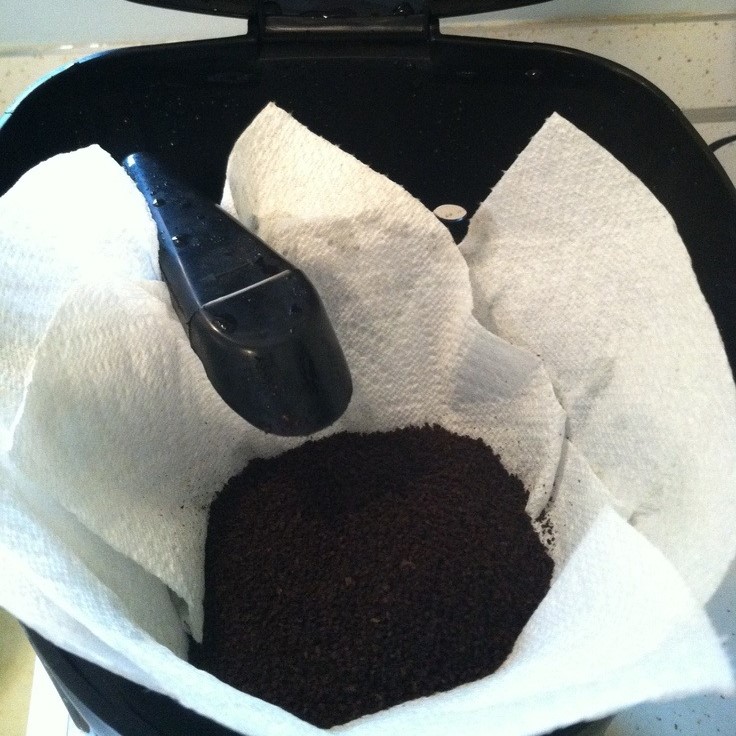
Using a paper towel as a coffee filter is a simple solution. It requires no special tools and works quickly. This method is handy when you’re out of traditional filters.
Step-by-Step Instructions for Paper Towel Use
- Select a Paper Towel: Choose a clean, unused paper towel. Avoid scented or colored options.
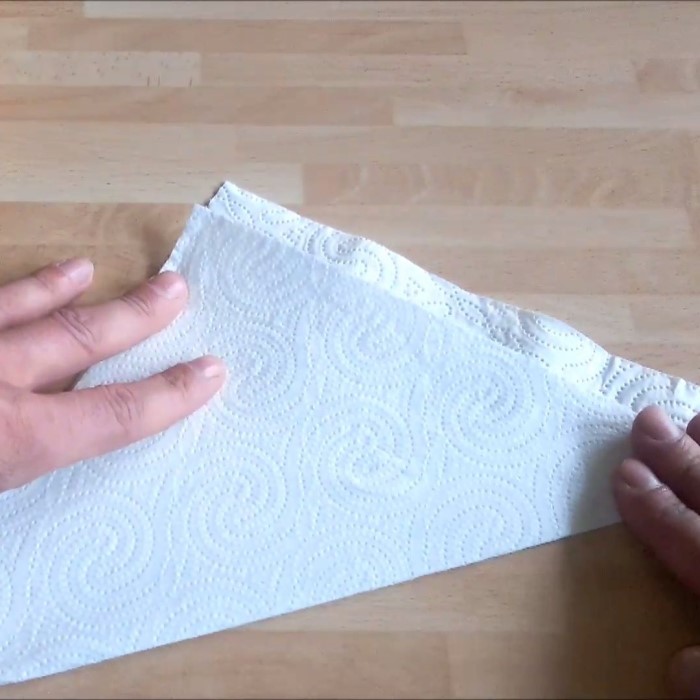
- Fold the Towel: Fold the paper towel into a cone or rectangular shape. Ensure it fits your coffee maker or brewing device.
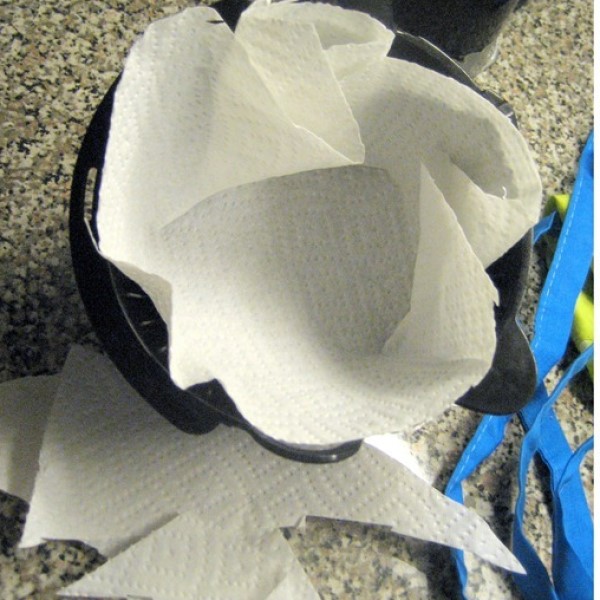
- Place in Coffee Maker: Position the folded paper towel where the filter usually sits in your coffee maker.
- Add Coffee Grounds: Add the desired amount of coffee grounds on top of the towel.
- Brew Normally: Pour hot water through the grounds, or let the coffee maker do its work.
- Dispose Properly: Once brewing is done, remove the paper towel carefully. Discard it with the used grounds.
This method is quick and easy for emergencies. However, avoid reusing the paper towel for multiple brews. It is best as a temporary solution for one-time use.
Pros and Cons of Using Paper Towels for Coffee Filtering
Using paper towels as coffee filters comes with both advantages and disadvantages. It’s a quick and cost-effective fix, but there are a few things to consider before choosing this method.
Pros of Using Paper Towels
- Easily Available: Paper towels are common household items and mostly found in every kitchen.
- Affordable: They are an inexpensive option compared to regular coffee filters.
- Easy to Use: No special tools or preparation are required to use paper towels as filters.
- Quick Solution: It provides a fast alternative when you run out of filters unexpectedly.
Cons of Using Paper Towels
- Taste Impact: Paper towels may slightly alter the taste of your coffee.
- Safety Concerns: Some paper towels may contain chemicals or bleaches not meant for food use.
- Messy Disposal: Paper towels can become soggy and messy after brewing.
- Durability Issues: They are less sturdy and might tear under the weight of wet coffee grounds.
This method is handy during emergencies but may not be ideal for everyday use. Always choose unscented and uncolored paper towels to avoid unwanted additives. For more sustainable and reliable options, consider reusable mesh filters or cloth alternatives.
Safety Considerations When Using Paper Towels
Using paper towels as coffee filters is convenient but raises some safety concerns. Paying attention to these factors ensures your coffee remains safe and enjoyable.
- Chemical Presence: Many paper towels contain bleaches or chemicals for whitening and strength. These substances might transfer into your coffee during brewing. Always choose unbleached, food-safe paper towels for this purpose.
- Scented or Colored Paper Towels: Avoid using scented or colored paper towels. Chemicals in these products can affect the taste and safety of your coffee.
- Structural Integrity: Paper towels are not as durable as coffee filters. They can tear when wet, potentially leaving coffee grounds in your drink. Fold the towel properly to increase its strength.
- Heat Resistance: Not all paper towels are designed to handle high temperatures. Ensure the towel won’t degrade or release particles into your coffee during brewing.
- Single-Use Only: Never reuse a paper towel as a coffee filter. Used towels lose structural integrity and may harbor bacteria.
- Food Safety Standards: Verify the paper towel meets food-safe standards. Packaging usually mentions if a brand is intended for food-related use.
By being mindful of these safety considerations, you minimize risks while using paper towels as coffee filters. This method works best as a temporary solution during emergencies. For regular use, explore safer alternatives like reusable mesh filters or cloth options.
Other Common Coffee Filter Substitutes
When coffee filter alternatives are needed, several options can serve as effective replacements. These substitutes vary in availability, sustainability, and ease of use. Choosing the right solution depends on your preferences and situation.
Tissues, Mesh, and Environmentally Friendly Options
- Tissues as Filters: Tissues can work as a quick substitute for coffee filters. Use clean tissues free of lotion, scent, or color to avoid chemicals. They are absorbent but may not be as strong as paper towels. Tissues work best for single-use emergencies.
- Metal Mesh Filters: Reusable metal mesh filters are a great sustainable choice. These filters are durable and designed for coffee brewing. They preserve the taste without adding unwanted flavors. Metal mesh options reduce waste and avoid the disposal hassle.
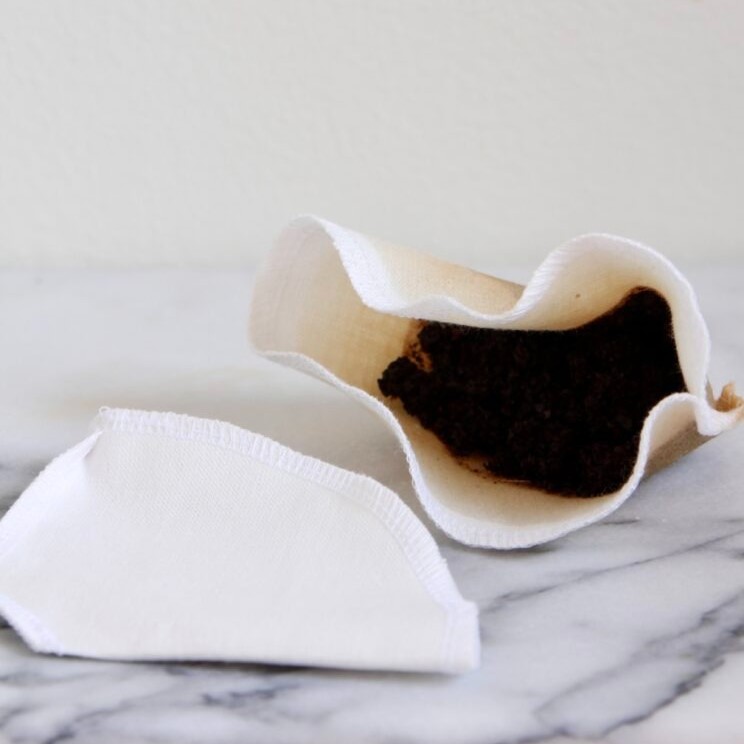
- Cloth Coffee Filters: Cloth filters are another eco-friendly option. They can be washed and reused multiple times. Cloths like cotton retain natural coffee oils, enhancing flavor. Ensure the cloth is clean and food-safe before use.
- Fine Kitchen Strainer: A fine mesh kitchen strainer works well as a makeshift filter. Place the strainer over your cup and pour brewed coffee through it. Ensure grounds are contained during the brewing process.
- Cheesecloth: Cheesecloth offers a simple and food-safe filtering method. Fold layers to strengthen the cheesecloth, avoiding grounds in your cup. It’s reusable, making it environmentally friendly.
Each substitute offers unique benefits. Metal mesh and cloth options are ideal for sustainability. Single-use items like tissues are better for emergencies. Experiment to find what works best for your brewing style and coffee taste.
Tips for Brewing the Perfect Cup Without a Traditional Filter
Brewing coffee without a traditional filter is easy with the right approach. Following simple tips can help maintain quality and flavor. These tricks ensure a smooth process and a satisfying cup.
Use Fresh Coffee Grounds
- Impact of Freshness: Always opt for freshly roasted coffee beans when brewing coffee. Fresh coffee grounds hold more flavor and aroma compared to stale ones, giving you a better tasting experience.
- Choose Quality Beans: Invest in high-quality coffee beans that suit your taste preferences. Whether you prefer fruity, nutty, or chocolate notes, quality beans enhance the overall flavor profile of your brew.
- Store Properly: Store coffee beans in an airtight container away from light, heat, and moisture. This will help maintain their freshness for a longer period, allowing you to enjoy that rich aroma and taste every time you brew.
Choose the Right Substitute
- Effective Alternatives: In the absence of traditional coffee filters, select effective alternatives such as paper towels, mesh filters, or cloth. Each option has its unique properties that can effectively brew coffee.
- Paper Towels: While they are a convenient option, ensure you use thicker varieties to avoid tearing. Double up the layers if necessary for additional strength.
- Mesh Filters: These are durable and reusable options that allow oils to pass through, enhancing flavor. They can be easily cleaned and provide a sustainable alternative.
- Cloth Filters: Using a cloth coffee filter can impart a unique flavor to the coffee. They are porous, allowing oils through while catching the grounds, and can be washed and reused multiple times.
Consider Grinding Size
- Importance of Grind Size: The size of your coffee grind significantly affects the extraction process. For substitutes like paper towels or tissues, using a medium grind ensures even extraction without clogging.
- Medium Grind Characteristics: A medium grind size resembles granulated sugar and allows more surface area for hot water to extract flavor while preventing fine particles from passing through the filter.
- Adjust According to Method: If you’re using alternatives, fine-tune the grind size based on the brewing method. For instance, coarser grinds work better with immersion brewing methods, while medium grinds are preferred for paper towel filtration.
Pre-Rinse Substitutes
- Remove Unwanted Flavors: Before using paper towels, cloths, or any alternate filters, give them a quick rinse. This step eliminates any unwanted flavors or particles that could affect the taste of your coffee.
- Warm Up the Filter: Rinsing the substitute with hot water can also help warm it up. A warm filter aids in maintaining the right temperature during brewing, promoting optimal extraction.
- Ensure Cleanliness: If you’re using a cloth filter, ensure it is completely clean and free of any detergent residues. This will prevent any off-flavors from transferring into your coffee.
Monitor Water Temperature
- Optimal Temperature Range: The ideal brewing temperature for coffee is between 195°F to 205°F. This range provides the heat necessary for proper extraction without scalding the coffee.
- Steaming vs. Boiling: Avoid using boiling water, as it can extract bitter components and negatively impact the coffee’s flavor profile. Allow boiling water to sit for about 30 seconds to reach the optimal temperature.
- Use a Thermometer: If precise brewing is a priority, consider using a kitchen thermometer. This will help you monitor the water temperature accurately for consistency across brews.
Pour Slowly
- Even Extraction: When brewing coffee, pour water slowly over the coffee grounds to facilitate even extraction. This helps extract the flavors uniformly, resulting in a well-balanced cup.
- Using a Spiral Motion: Pouring in a circular motion allows the water to saturate all the coffee grounds evenly. This technique ensures that every part of the coffee gets brewed uniformly.
- Let It Bloom: If using a pour-over method, allow the coffee to bloom for about 30 seconds after the first pour. This step releases carbon dioxide and enhances flavor extraction.
Use the Right Ratio
- Balancing Coffee and Water: The ideal coffee-to-water ratio is typically around 1:15 or 1:16. This means using 1 gram of coffee for every 15-16 grams of water, but you can adjust based on personal taste.
- Experimenting with Ratios: Don’t hesitate to tweak the ratio to suit your taste preferences. Some individuals may prefer a stronger brew, while others might like it milder.
- Measuring Accurately: Use a kitchen scale to measure both coffee and water accurately. This practice helps in achieving consistency in each brewing session.
Avoid Overcrowding Substitutes
- Preventing Tearing: When using alternatives like paper towels, avoid adding too many coffee grounds. Excessive grounds can overwhelm the filter, making it prone to tearing during brewing.
- Recommended Amounts: Stick to the recommended amount of coffee for your filter type. A good starting point is around 2 tablespoons of coffee for every 6 ounces of water.
- Ventilation: Allow space for expansion. Coffee grounds tend to expand when saturated, so overcrowding can lead to blockages and overflow if too many are used.
Stir or Swirl Grounds
- Enhancing Flavor Release: Gently stirring or swirling the coffee grounds can help release flavors more effectively. This action ensures that the coffee is evenly saturated, leading to optimal extraction.
- Consistency in Brewing: By breaking up any clumps and ensuring everything is evenly mixed, you promote a more consistent brew, yielding better-tasting coffee.
- Avoiding Over-Aeration: While it’s beneficial to stir, be cautious not to over-agitate the grounds. Excessive stirring can introduce air, which may contribute to unwanted flavors.
Filter Carefully
- Ensuring No Grounds Slip Through: If using mesh filters or cheesecloth, take care to secure them properly. This ensures that no coffee grounds slip through into your brewed coffee.
- Rinsing Before Use: Prior to brewing, rinse these types of filters to prevent any residues from affecting the coffee. This practice also highlights their effectiveness.
- Regular Maintenance: Clean and maintain these filters to ensure they remain functional and do not impart any off-flavors during the brewing process.
These tips make brewing without traditional filters simple and enjoyable. Whether using paper towels or reusable options, focus on freshness, water control, and cleanliness to achieve a perfect cup every time.
Conclusion: The Verdict on Using Paper Towels
In conclusion, the question of can you use a paper towel as a coffee filter has simple yet complex answers. While it is a viable option in a pinch, users should weigh the benefits against the potential drawbacks. This makes it essential to find a quality paper towel and follow proper steps for successful brewing.
Experimenting with various methods can enhance your coffee experience. Whether you decide on paper towels, traditional filters, or alternative options, the goal remains the same: to enjoy a delicious cup of coffee. So the next time you find yourself out of filters, don’t hesitate to reach for those paper towels!