


Introduction: Exploring the Safety of Microwaving Aluminum Trays
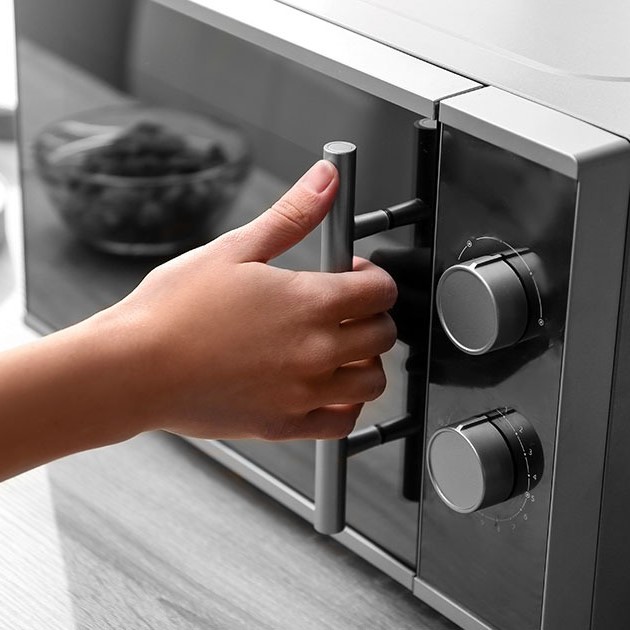
Microwaving food is a common practice in many households. However, safety concerns often arise when using certain materials in microwaves. One frequent question is can you microwave aluminum tray? To address this concern, we need to investigate the properties of aluminum, how microwaves work, and the safest practices to follow. This guide will help clarify misconceptions surrounding the use of aluminum trays in microwaves and provide essential safety tips for your cooking needs.
Common Misconceptions About Aluminum in Microwaves
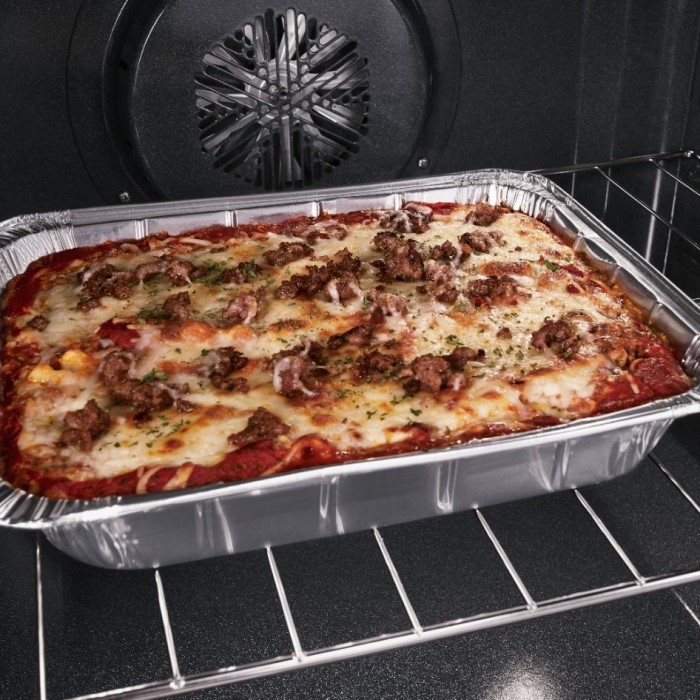
Many believe aluminum causes fires or explosions in microwaves. This is not entirely accurate. Aluminum trays, when used correctly, do not always pose immediate dangers. Some people assume microwaving metal will damage the microwave instantly. However, the risk occurs due to sharp edges or improper placement.
Another misconception is that all aluminum trays are unsafe for microwaving. Manufacturers sometimes label trays as microwave-safe, meaning they are designed specifically to reduce risks. This distinction is important and suggests that not all aluminum items behave the same way.
Scientific Principles Behind Aluminum Interaction with Microwaves
Microwaves work by emitting electromagnetic waves to heat food. These waves interact with materials differently. Aluminum reflects microwaves rather than absorbing them. Reflection can cause uneven heating and sparking if edges are sharp or crinkled.
The smooth surface of aluminum trays can minimize sparks. However, aluminum can block microwave energy, leading to insufficient heating of food. Additionally, if food containers are improperly positioned, reflections might damage the microwave’s internal components.
Understanding how microwaves interact with aluminum helps clarify the risks. Learning proper techniques can reduce hazards and improve safe usage.
Potential Hazards of Microwaving Aluminum
Microwaving aluminum trays can pose various risks if not handled properly. It’s important to be aware of these hazards to ensure safety.
Fire Risks and Sparks
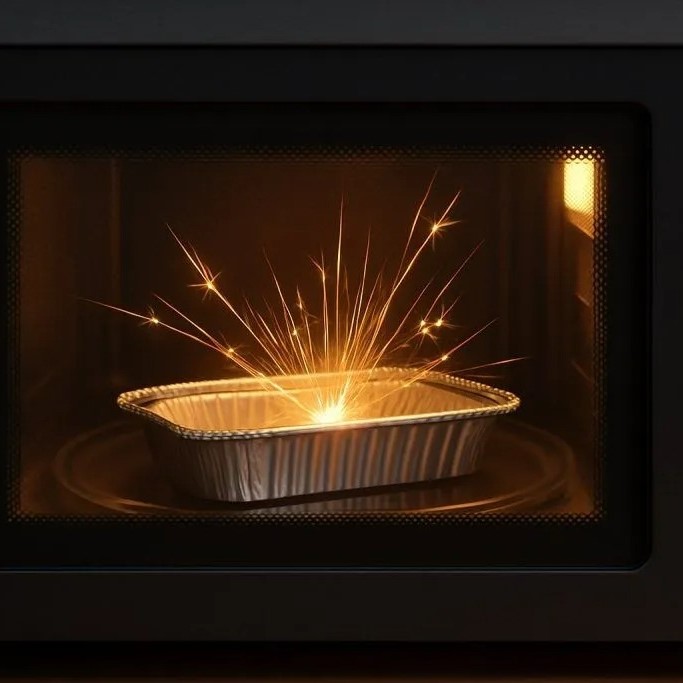
Using aluminum in the microwave can cause sparks or even small fires. Sharp edges or crinkled aluminum increase the chances of sparking. Sparks occur when microwaves reflect off uneven surfaces. These sparks can ignite flammable materials or damage microwave components. Always check for sharp edges or folds in aluminum trays before microwaving them.
Damage to Microwave Interiors
Aluminum can reflect microwaves, which may harm your appliance. Reflected waves can overheat and damage the magnetron, the microwave’s key component. Prolonged exposure to such reflections can reduce the appliance’s lifespan. Additionally, strong sparks may leave scorch marks or dents inside the microwave cavity.
Food Contamination Risks
Improper use of aluminum trays might lead to food contamination. If sparks occur, small aluminum fragments could break off and mix with the food. Overheating may cause the tray to warp, spilling food or releasing harmful chemicals into it. Heating food unevenly due to aluminum blocking the microwaves can also leave parts undercooked, posing health risks.
By understanding these potential risks, you can use aluminum trays in a microwave more cautiously and effectively.
How to Safely Use Aluminum Trays in a Microwave
Can you microwave aluminum tray? Microwaving aluminum trays safely requires cautious preparation and proper techniques. Improper use can lead to risks, including damage or fire hazards. Follow these guidelines to minimize dangers and ensure efficient heating.
Assessing Microwave-Safe Aluminum Options
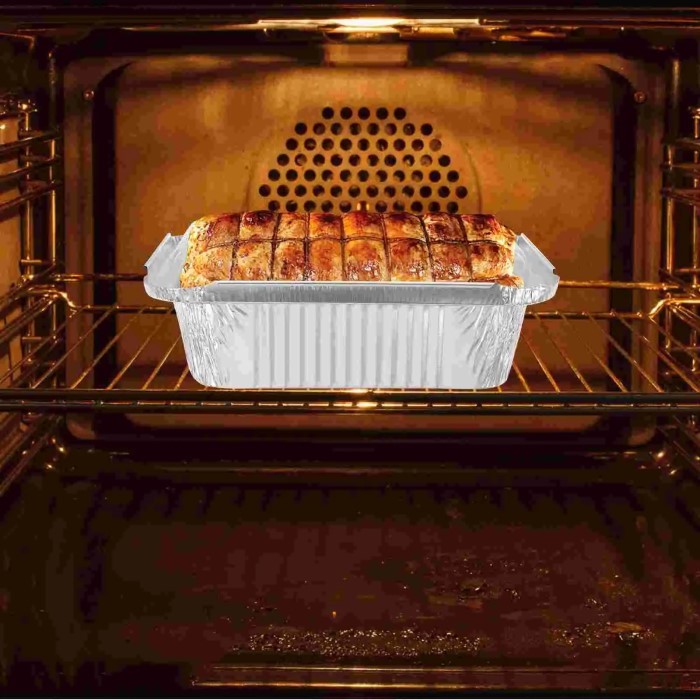
Not all aluminum trays are microwave-safe. Check for labels indicating safe use in microwaves. Manufacturers may design trays specifically for microwaves to reduce risks. These trays often have smooth surfaces and rounded edges. Avoid using trays with sharp edges or crinkles to stop sparks.
Preparing Aluminum Trays for Microwave Use
Proper preparation of aluminum trays ensures safer microwave use. Start by inspecting the tray closely. Flatten any sharp folds or crinkled edges to avoid sparking. Remove lids with metallic layers or designs before microwaving. Place the tray in the center of the microwave for balanced heating. Keep it away from the walls to reduce reflections.
Proper Techniques for Heating Food in Aluminum Trays
Apply specific techniques for efficient food heating with aluminum trays. Use a lower heat setting to avoid warping and overheating. Do not heat excessively as this may damage the tray or microwave. Rotate the food occasionally to ensure even heating. If possible, transfer the food to a microwave-safe plate for safer heating.
By assessing options, preparing trays, and following safe techniques, using aluminum in microwaves becomes less risky. Always prioritize safety for your appliance and health.
Alternatives to Aluminum Trays in the Microwave
Can you microwave aluminum tray? When aluminum trays are not ideal for microwaving, there are several alternatives to consider. Using the right materials can enhance safety and improve heating efficiency. Let’s explore some popular microwave-safe options.
Microwave-Safe Materials for Cooking
Certain materials are specifically designed for microwave use. Here are some common ones:
- Glass: Heat-resistant glass is great for microwaving. It offers even heating and doesn’t react with food.
- Ceramic: Unglazed or microwave-approved ceramics can also handle high microwave temperatures effectively.
- Plastic (Microwave-Safe): Some plastics are labeled “microwave-safe.” These are tested to avoid toxin release.
- Silicone: Flexible and durable, silicone materials are safe for both microwaves and high temperatures.
Always check for labels before using these materials to ensure they are microwave-compatible.
Glass vs. Ceramic Options for Heating
Both glass and ceramic have unique benefits for microwave use:
- Glass Benefits: Glass containers heat food evenly and remain transparent for easy monitoring. They retain shape under high temperatures, making them reliable for cooking and reheating meals.
- Ceramic Benefits: Ceramic bowls and plates distribute heat evenly, often keeping food warm for longer. They are available in various designs, perfect for serving food directly after microwaving.
However, one should avoid designs with metallic glazes or paints on ceramics, as these can spark.
Reusable and Eco-Friendly Solutions
For those looking to reduce waste, reusable microwave alternatives exist:
- Glass and Ceramic: Both are long-lasting and environmentally friendly. They minimize the need for disposable containers.
- Silicone Food Covers: These serve as a microwave-safe lid alternative, cutting plastic wrap use.
- Reusable Plastic Containers: Labeled microwave-safe options can be a more eco-conscious choice for reheating food.
Investing in these reusable solutions ensures fewer risks and helps the environment. Prioritize materials that combine safety and sustainability for the best microwaving experience.
Frequently Asked Questions about Microwaving Aluminum
Why Do Sparks Occur?
Sparks occur due to the reflection of microwaves on irregular aluminum surfaces. Sharp edges and crinkled parts can focus this reflective energy. These focused reflections lead to sparking or arcing. When sparks happen, they may damage your microwave or ignite nearby materials. To prevent sparks, always smooth out sharp or folded edges before microwaving aluminum trays.

Are All Aluminum Containers Unsafe?
Not all aluminum containers cause problems in microwaves. Some are labeled “microwave-safe” by their manufacturers. These are designed with smooth surfaces and rounded edges to minimize risks. However, generic aluminum containers without a safety label should be avoided. Misuse of these containers may lead to microwave damage or uneven heating of food.
Does Food Quality Change When Heated in Aluminum?
Food quality can be affected when heated in aluminum trays. Uneven heating may leave parts of food undercooked. Sparks or overheating can also contaminate food with aluminum fragments. Overheated trays may warp, spilling food or releasing harmful chemicals into it. Using microwave-safe alternatives ensures better food safety and consistent heating results.
Practical Tips for Microwave Safety
Can you microwave aluminum tray? Microwave safety is essential to prevent damage and ensure efficient use. Following simple guidelines can reduce risks during operation.
Steps to Avoid Microwave Damage
- Avoid Metal Objects: Never microwave containers or utensils with metal parts or sharp edges.
- Use Microwave-Safe Materials: Choose materials labeled as safe for microwave use, such as glass or microwave-safe plastic.
- Center Your Food: Place food or containers in the center of the microwave for even heating.
- Inspect Your Microwave Regularly: Check for damage to seals, doors, or interiors and repair if needed.
- Clean Spills Immediately: Clean food spills quickly to prevent residue buildup inside the microwave.
Signs of Improper Use
- Sparks or Arcing: Sparks inside the microwave indicate incorrect use, usually due to metal presence.
- Uneven Heating: Food heating unevenly may mean the materials or placement are problematic.
- Unusual Smells: Burnt or chemical smells may signal damage or inappropriate materials inside.
- Damage to Cavity or Magnetron: Visible scorch marks or dents may result from improper microwaving of metal objects.
Best Practices for Long-Term Microwave Care
Use Recommended Settings
- Familiarize yourself with the suggested power levels outlined in the user manual for various types of food and containers.
- Adjust the microwave settings based on the food you’re heating, such as using lower power for delicate items and higher power for dense foods.
- Pay attention to the suggested cooking times in the manual, as different foods require different durations.
- Consider the material of the container as well; some materials, like plastic, may require lower power settings to avoid melting.
- If uncertain, start with the recommended settings and adjust based on your microwave’s performance and your personal preferences.
Keep the Microwave Clean
- Regularly wipe down the interior surfaces of the microwave with a damp cloth to remove spills and splatters.
- Use a mild detergent or vinegar solution for tougher stains, ensuring you wipe it clean afterward.
- Clean the microwave door, including the rubber seals, as dirt can accumulate and affect the appliance’s functionality.
- Remove and clean the microwave turntable and support ring periodically to prevent food buildup underneath.
- Establish a routine cleaning schedule—ideally once a week—to maintain efficiency and extend the life of your microwave.
Inspect Power Cord and Plug
- Before using the microwave, visually inspect the power cord for signs of wear, fraying, or damage.
- Check the plug for any cracks or bent prongs, as these can pose serious electrical hazards.
- If you notice any damage to the cord or plug, refrain from using the microwave and consult a qualified technician for repairs or replacements.
- Ensure that the cord is not pinched or situated near hot surfaces that could cause it to overheat.
- Keep the area around the microwave free from obstructions to allow proper ventilation and prevent electrical hazards.
Avoid Overloading
- When placing food in the microwave, ensure there is adequate space around each item for proper circulation of energy.
- Avoid stacking containers on top of each other, as this can lead to uneven heating.
- Cut larger items into smaller pieces to facilitate faster and more even cooking.
- If cooking multiple items, consider using microwave-safe turntables or lazy Susans to allow for better energy distribution.
- Monitor the cooking process, stopping the microwave if you notice excessive steaming or bubbling, which could indicate overcrowding.
Follow Manufacturer Guidelines
- Always refer to the instruction manual provided by the manufacturer for specific recommendations related to your microwave model.
- Familiarize yourself with safety features, usage protocols, and troubleshooting tips outlined in the manual.
- Adhere to any specific guidelines for food types, container materials, and microwave power settings mentioned by the manufacturer.
- Keep the instruction manual in an easily accessible location for future reference.
- If you stray from the manufacturer’s guidelines, be aware that it may void your warranty or lead to safety issues.
By applying these tips, you can extend your microwave’s life and enhance microwave safety.
Conclusion: Balancing Convenience and Safety
Microwaving aluminum trays can be convenient but requires caution. Knowing the risks and safety steps matters. Understanding proper techniques helps avoid hazards and ensures efficient heating. Choosing alternative materials further minimizes risks and supports sustainable practices.
Key Takeaways for Using Aluminum Trays
- Always check for microwave-safe labels on aluminum trays.
- Smooth out sharp edges and crinkles to prevent sparks.
- Place trays in the center of the microwave and avoid touching the walls.
- Monitor heating closely and use lower power settings.
- Be cautious about food contamination risks from sparks or overheating.
Promoting Safe Microwave Practices
- Use materials like glass, ceramic, or labeled microwave-safe plastics for safer microwaving.
- Avoid materials with metallic finishes, such as painted ceramics or certain plastics.
- Regularly inspect the microwave for damage and clean it after spills.
- Follow manufacturer guidelines and never place metal utensils inside.
Balancing safety with convenience ensures optimal microwave use and protects your appliances and food quality.
In summary, the question can you microwave aluminum tray should be approached with caution. While it is technically possible to microwave aluminum trays, there are inherent risks associated with their use. Factors like sparking, uneven heating, and fire hazards can pose significant threats not only to the food being prepared but also to your microwave oven and kitchen safety. Always prioritize food safety and seek out alternative materials designed for microwave use when preparing your meals. By following the guidelines provided in this article, you can ensure a safer cooking experience while enjoying the convenience of microwave cooking. Make informed choices and keep your kitchen a safe environment for both you and your loved ones.