

Introduction
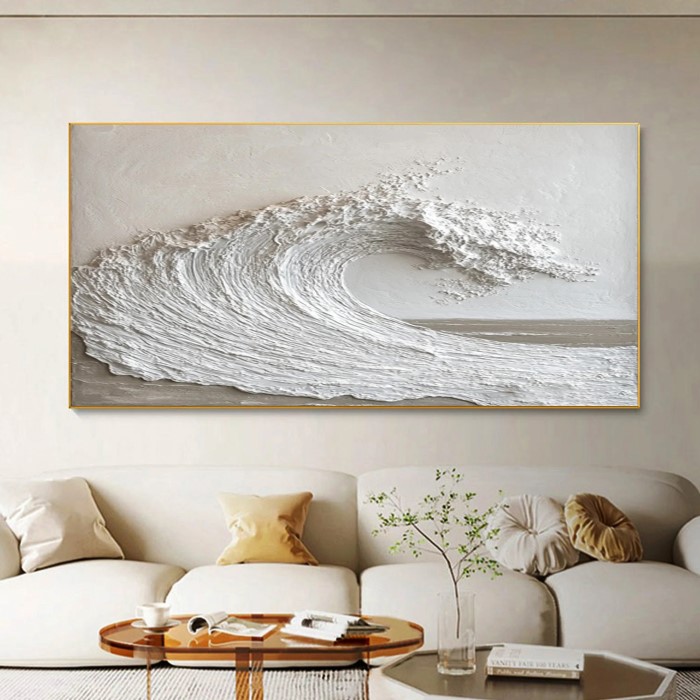
In today’s world of interior design, 3D wall art offers a unique way to enhance and transform any living space. Unlike traditional flat art, 3D wall art introduces depth, texture, and a refreshing visual dynamic that can make walls pop. Whether you’re looking to add character to a dull room or create a sophisticated gallery-like space, 3D wall art presents endless opportunities for personalization and style. This article will explore different types of 3D wall art, their benefits, and how to effectively incorporate them into your home decor.
What is 3D Wall Art?
Defining 3D Wall Art and Its Unique Features
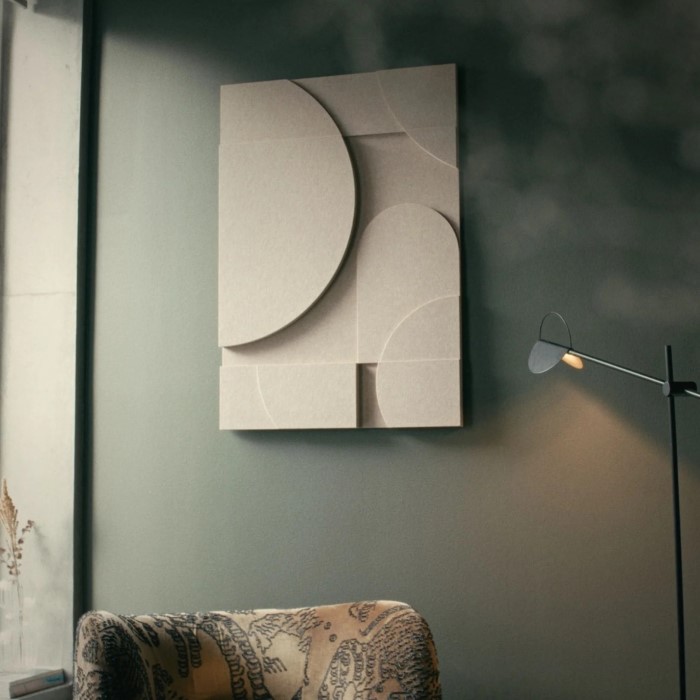
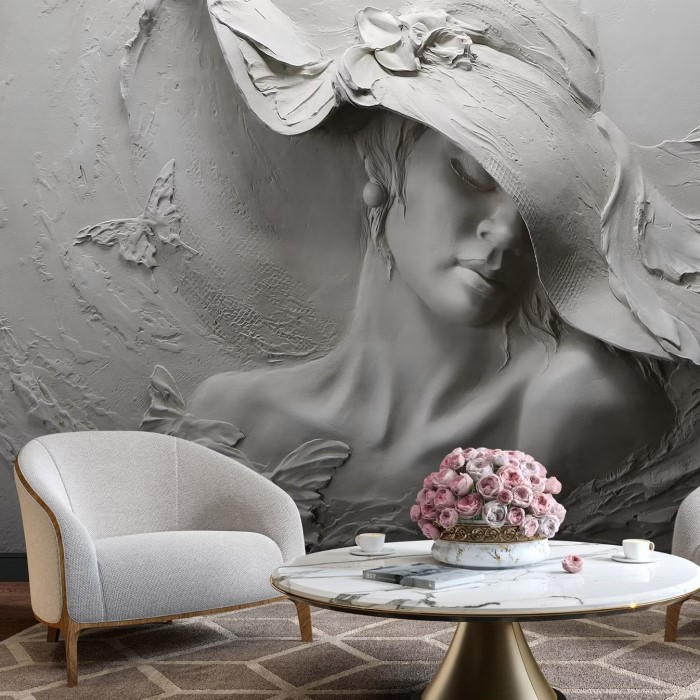
3D wall art refers to decorative pieces that extend outward from the wall’s surface. These artworks have depth and texture, providing a multi-dimensional visual effect. Unlike traditional flat art, 3D wall art uses materials like metal, wood, or acrylic to create raised designs. This type of art adds a tactile element and can turn any plain wall into an eye-catching masterpiece. Its uniqueness lies in its ability to make walls come alive with shadows, light, and varying perspectives based on viewing angles.
Difference Between 2D and 3D Wall Art
The primary difference between 2D and 3D wall art is depth. 2D wall art is flat and relies solely on colors and patterns to convey visuals. Examples include paintings, photographs, or printed posters. 3D wall art, on the other hand, adds depth and physical dimensions, creating a more dynamic visual appearance. While 2D art enhances static beauty, 3D art interacts with its environment, changing its look with light and shadow. This contrast makes 3D wall art a standout choice for modern spaces.
Benefits of Incorporating 3D Wall Art in Your Space
Adding 3D wall art to your space can transform it in unique ways. Whether you’re looking to enhance beauty, establish a focal point, or infuse personality, 3D designs offer endless possibilities.
Enhancing Aesthetic Appeal and Depth
3D wall art brings sophistication and depth to any room. Its textured designs create dynamic visuals, making spaces more engaging. Unlike flat artwork, 3D pieces play with shadows and light, creating dimensional beauty. This layered effect elevates the room’s overall aesthetic, turning monotonous walls into standout features.
Creating a Focal Point for Any Room
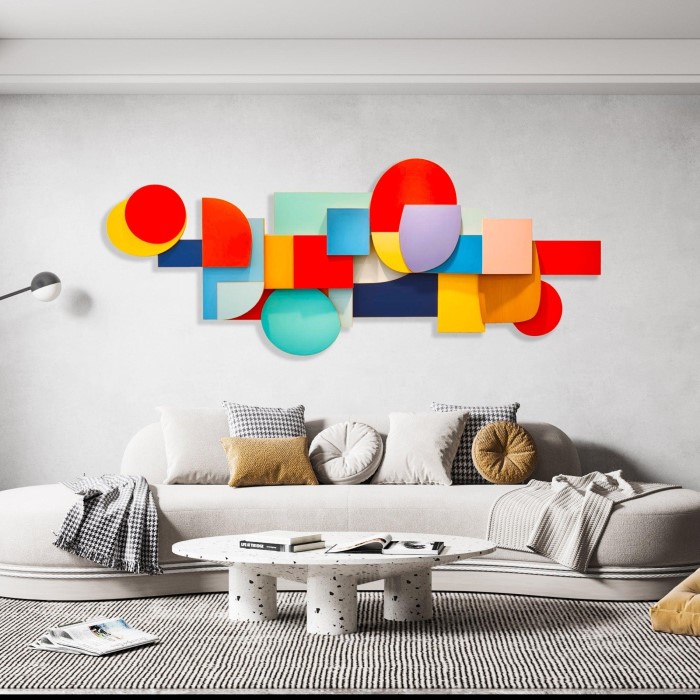
A strategically placed 3D wall art piece can become the center of attention. Bold designs serve as natural focal points, drawing the eye and creating conversation. In living rooms or entryways, these artworks can anchor the space, unifying the decor. Their presence transforms ordinary rooms into artistic showcases.
Expressing Personality Through Art Choices
Your choice of 3D wall art reflects your individuality. Abstract designs show creativity, while nature themes exude tranquility. Materials and styles, like metal or wood, further highlight your taste. By choosing pieces that resonate with you, your space tells your unique story. This personal touch makes your home more inviting and relatable.
Popular Materials and Styles
3D wall art is available in a variety of materials and styles to suit any decor. These options ensure flexibility in design and uniqueness for every space.
Metal, Wood, and Acrylic Options
- Metal: Metal 3D wall art offers a sleek, modern look. It is durable, versatile, and perfect for contemporary spaces. You can find metallic designs in polished, brushed, or textured finishes.
- Wood: Wood adds warmth and natural charm to rooms. Wooden 3D wall art often features intricate carvings or layered patterns, ideal for rustic or farmhouse-style interiors.
- Acrylic: Acrylic pieces are lightweight and vibrant. They allow bright colors or artistic effects that make them popular for bold and creative designs. Acrylic art fits well in modern and eclectic spaces.
Abstract, Geometric, and Nature-Inspired Designs
- Abstract Designs: Abstract 3D wall art is a great choice for adding modern flair. These designs can be bold, colorful, or minimal, catering to various tastes. They often evoke creativity and emotion.
- Geometric Patterns: Geometric 3D wall art creates structured and precise visuals. These patterns work beautifully in minimalist or industrial settings, offering symmetry and sophistication.
- Nature Themes: Nature-inspired 3D pieces bring a sense of calm and serenity. Designs like flowers, animals, or landscapes connect interiors with the outdoors and suit peaceful spaces.
Selecting the right material and style ensures that your 3D wall art complements your space and enhances its personality.
Choosing the Right Wall Art for Your Space
Finding the ideal 3D wall art for your space involves careful planning. Each room has unique needs, and the right art choice will complement its dimensions and decor. Here’s how you can ensure you select the perfect piece.
Size and Placement Considerations
- Assess your wall space: Measure the area where the artwork will hang. A balanced fit is essential. For large walls, oversized pieces can create dramatic visual impact. Smaller spaces like hallways benefit from compact designs.
- Think about height: Place art at eye level for optimal viewing. In rooms with high ceilings, vertically extended designs can bridge visual gaps.
- Consider proximity to furniture: Ensure the art doesn’t overpower nearby items. It should harmonize with seating areas, shelves, or tables.
- Mind traffic flow: Avoid placing 3D art where it can obstruct movement or pose risks. Select lower-profile pieces for narrow corridors.
Color Coordination and Interior Design Compatibility
- Match your color scheme: Choose pieces that align with existing wall colors and decor. Neutral tones work well in understated rooms, while bold colors enhance vibrant spaces.
- Complement furniture finishes: If you have wood furniture, pair it with matching wooden designs. Metallic tones blend seamlessly with modern or industrial furnishings.
- Contrast wisely: Use contrasting hues to highlight your 3D wall art. Against pale walls, bright designs pop, creating focus.
- Consider lighting: Evaluate how room lighting interacts with your chosen piece. Shadows and reflections can enhance its dimension.
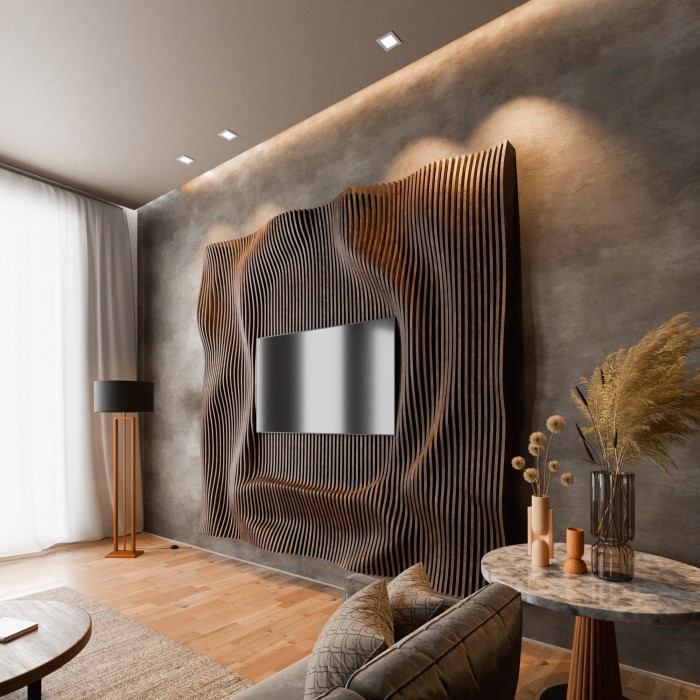
Custom vs. Pre-made Options
- Pre-made designs: These are great for quick options and variety. Popular styles cater to diverse tastes and themes.
- Custom creations: Personalized 3D art fits your exact needs. It allows for unique designs and materials tailored to your space.
- Choose flexibility: If you’re undecided, opt for art that works across multiple decor styles.
- Budget wisely: Custom art may be costly, but it provides authenticity. Pre-made items often offer affordable creativity.
Selecting 3D wall art that matches your space ensures a harmonious and captivating interior. Careful consideration of size, placement, colors, and options will make your wall art truly impactful.
Tips for Installing and Maintaining
Proper installation and maintenance ensure your 3D wall art stays secure and looks stunning. Follow these guidelines to make your art last longer and maintain its unique charm.
Tools and Techniques for Proper Installation
- Select sturdy mounting hardware: Use nails, hooks, or brackets designed for your wall type.
- Measure and mark placement: Ensure the artwork is centered and balanced before installation.
- Use a level: Prevent crooked installations by checking alignment before finalizing.
- Choose appropriate anchors: For heavy pieces, choose anchors suited to drywall, plaster, or concrete.
- Drill with care: Avoid damaging walls by using appropriate drill bits and steady pressure.
- Secure art safely: Double-check that the piece is properly attached and will not fall.
- Consider expert help: Larger or complex pieces may require professional installation.
Cleaning and Caring for Different Art Materials
- Metal art care: Wipe with a soft cloth to remove dust. Use non-abrasive cleaners for stubborn stains.
- Wooden art care: Dust regularly to prevent buildup. Avoid water to protect the wood’s surface.
- Acrylic art care: Clean with a microfiber cloth and non-abrasive cleaner. Avoid scratching the material.
- Check for damage: Periodically inspect your art for loose parts or deterioration.
- Avoid direct sunlight: Prolonged exposure can fade colors and weaken materials.
- Use gentle cleaning: Avoid harsh chemicals that could damage the surface or finish.
Where to Buy 3D Wall Art
Finding high-quality 3D wall art is easier with the right guidance. Explore these buying options to add unique flair to your space.
Online Marketplaces and Artisan Shops
- Amazon and Etsy: These platforms offer a wide range of options. They include both pre-made and custom designs.
- Artisan websites: You can discover handcrafted and unique pieces directly from artists. Many sites allow personalization.
- Specialty decor stores: Explore online shops that focus on wall art. They often feature trending styles and top-quality materials.
- Advantages: Online buying offers variety, convenience, and easy comparisons. It ensures access to international designs.
- Tips: Read reviews, check product details, and confirm shipping policies for a smooth purchase.
Local Art Galleries and Home Decor Stores
- Art galleries: Visit local galleries to find exclusive 3D wall art. They often showcase regional artists.
- Home decor stores: Shops like HomeGoods or IKEA offer affordable and stylish pieces. These work well for quick redecorating.
- Craft fairs: Look for original handcrafted pieces at local craft events. You may find distinctive designs.
- Benefits: Buying locally supports artists and ensures you see the piece before purchasing.
- Tips: Check the material quality and inquire about customization options if available.
DIY Ideas
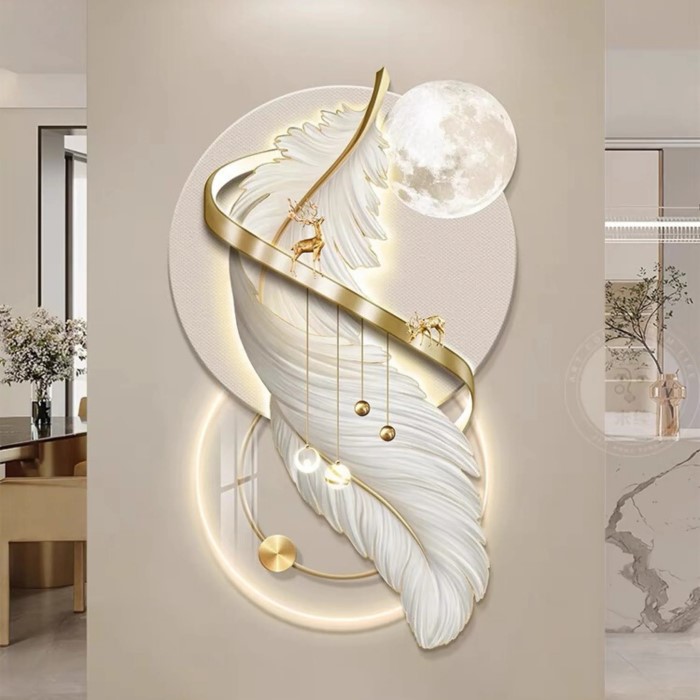
Creating your own 3D wall art is a fun and rewarding project. You can design unique, one-of-a-kind pieces while saving money. With some creativity and a few materials, you can transform any blank wall into a captivating showcase.
Crafting Unique Pieces on a Budget
Making 3D wall art at home is cost-effective and highly customizable. Here are some ideas to inspire your creativity:
- Paper Sculptures: Use colored paper or cardboard to craft layered designs. These are lightweight and easy to hang.
- Recycled Materials: Repurpose items like bottle caps, wire, or old CDs for eco-friendly and artistic designs.
- Foam Boards: Use foam boards to cut and create textured shapes or patterns. Lightweight yet impactful.
- String Art: Nail down a simple pattern on wooden boards and weave colorful strings for intricate results.
- Clay Creations: Shape air-dry clay into 3D objects like flowers, leaves, or abstract pieces. Paint them after drying.
- Fabric Art: Layer and sew fabric pieces on a base to add texture and color.
These projects can elevate your walls without spending much. Experimenting with materials can also lead to amazing results.
Materials Needed for Home Projects
Before starting your DIY wall art, gather the basic materials. Here’s a quick checklist:
Base Material:
-
- Definition: The base material serves as the foundation for your 3D wall art project, providing stability and support for your design.
- Material Options: Select from a variety of sturdy materials such as:
- Wood: Provides a rustic and durable backdrop, suitable for intricate designs.
- Canvas: Offers a textured surface that can easily be painted or decorated.
- Foam Board: Lightweight and easy to cut, perfect for DIY projects that require dimensional elements.
- Importance: Choosing the right base material is crucial, as it affects the overall appearance, durability, and ease of assembly of your wall art.
Cutting Tools:
-
- Types of Tools: Utilize various cutting tools to achieve accurate and clean cuts for your designs:
- Scissors: Ideal for cutting paper and lightweight materials.
- Craft Knives: Great for precision cutting on thicker materials like cardstock and foam board.
- Precision Cutters: Essential for intricate details and fine lines in your designs.
- Techniques: Practice safe cutting techniques to avoid injury and ensure clean edges, especially when working with sharp tools.
- Types of Tools: Utilize various cutting tools to achieve accurate and clean cuts for your designs:
Adhesives:
-
- Types of Adhesives: Use appropriate adhesives to securely assemble and adhere all components of your wall art:
- Glue: A versatile choice for bonding a variety of materials.
- Double-Sided Tape: Perfect for quick and mess-free adhesion, particularly for lightweight items.
- Hot Glue: Provides a strong bond for heavier or more complex pieces, drying quickly for immediate use.
- Application Tips: Apply adhesives evenly and consider using weights or clips to hold pieces in place while they dry.
- Types of Adhesives: Use appropriate adhesives to securely assemble and adhere all components of your wall art:
Paints and Brushes:
-
- Paint Selection: Choose acrylic paints for their vibrant colors and quick-drying properties, making them suitable for art projects.
- Brush Options: Invest in a range of small brushes for detailed work and larger brushes for broader strokes, allowing for varied texture and effect.
- Personalization: Paint allows you to customize your designs, giving each piece a unique touch that reflects your personal style and creativity.
Measuring Tools:
-
- Importance of Accuracy: Using measuring tools ensures that your design elements are aligned and proportionate, contributing to a polished final product.
- Tools to Use: Common measuring tools include:
- Rulers: Ideal for measuring lengths and straight edges.
- Tape Measures: Useful for measuring larger areas or curved surfaces accurately.
- Tips: Always double-check measurements before cutting or adhering materials to avoid errors and wasted supplies.
Decorative Add-ons:
-
- Types of Add-ons: Enhance your wall art with decorative elements that add dimension and personality:
- Gems: Provide sparkle and elegance, available in various sizes and colors.
- Glitter: Adds a fun and eye-catching shimmer to your designs.
- Beads: Offer texture and visual interest, and can be used to create patterns or borders.
- Creative Ideas: Experiment with layering different decorative elements to create unique effects that draw the eye and enhance your artwork.
- Types of Add-ons: Enhance your wall art with decorative elements that add dimension and personality:
Hanging Supplies:
-
- Hanging Options: Select appropriate supplies for displaying your finished wall art securely:
- Hooks: Ideal for heavier pieces or items with a frame.
- Nails: Suitable for various types of wall art; make sure to choose appropriate sizes based on weight.
- Mounting Tape: Provides an easy and damage-free hanging solution for lightweight or flat art pieces.
- Placement Tips: Plan the layout and placement of your wall art before hanging to achieve the best visual impact and ensure that it fits well within the space.
- Hanging Options: Select appropriate supplies for displaying your finished wall art securely:
With the right tools and a bit of imagination, your DIY 3D wall art can breathe life into your home. Personalizing your design ensures it reflects your style and creativity.
Conclusion
In conclusion, 3D wall art offers a transformative option for those looking to enhance their living spaces. By adding dimension, texture, and personal flair, these pieces can completely change a room’s atmosphere. Throughout this article, we’ve explored not only the types of 3D wall art available but also the benefits of incorporating them into your decor.
As you begin your journey with 3D wall art, remember to choose pieces that resonate with you and align with your style. With creativity and the right approach, 3D wall art can breathe new life into your environment, enriching your home with beauty and personality. Enjoy transforming your space into a unique expression of yourself!